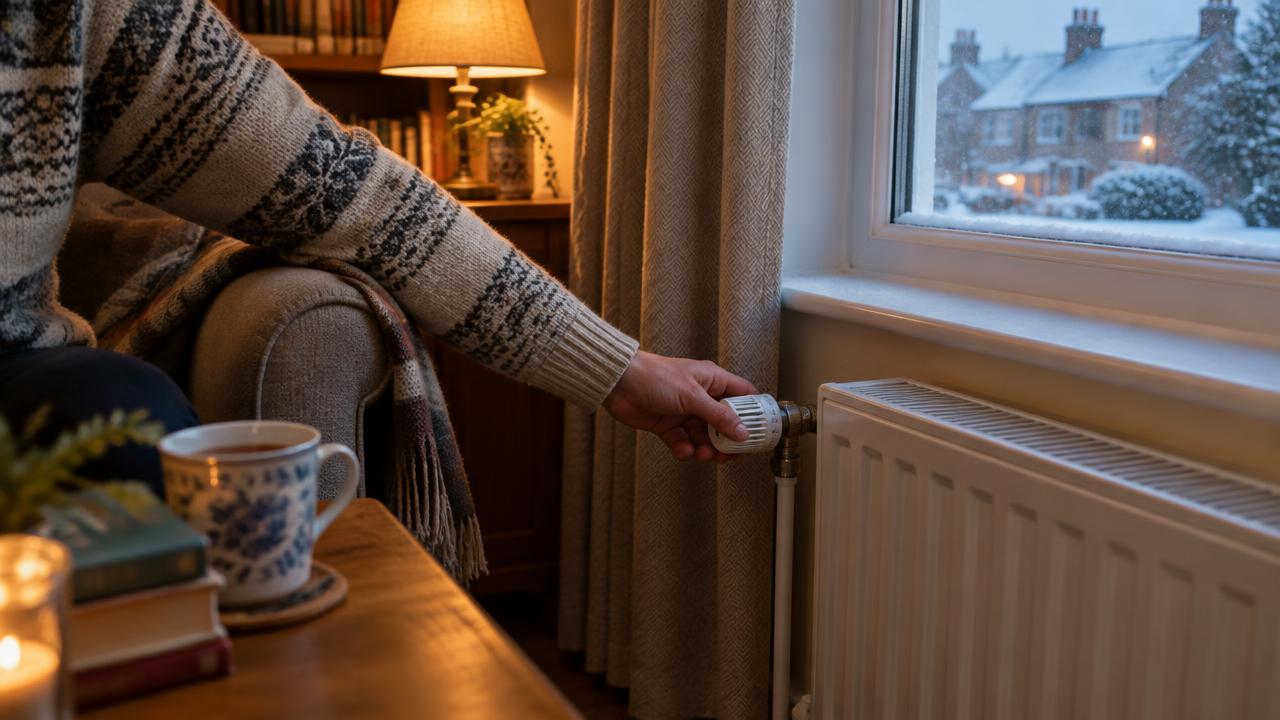
Why winter bills jump
Heating makes up the biggest part of most household energy use, and in a cold month a typical home can use several times as much gas as in summer. Darker evenings add lighting, and clothes dried in a tumble dryer add more. From 1 October to 31 December 2026 the Ofgem price cap puts a typical dual-fuel bill at about £1,723 a year, but much of that is paid in the colder months. The good news: because winter use is so high, each saving counts for more.
Safety first: saving energy should never mean being dangerously cold. Keep the rooms you use at 18°C or warmer if you can, particularly for older people, babies and anyone unwell.
Step 1: Take control of your heating
Your heating controls are the quickest win, and they cost nothing.
- Set a timer. Have the heating come on 30 minutes before you get up or come home, and go off 30 minutes before you leave or go to bed. A warm house cools slowly.
- Use the thermostat properly. It sets the temperature, not the speed. Turning it up to 28°C will not warm the room faster; it just keeps the boiler running longer. Pick a comfortable setting, often 18–21°C, and leave it.
- Try one degree lower. If you are comfortable, dropping the thermostat by 1°C is one of the simplest ways to use less gas.
- Use radiator valves. Turn the thermostatic valves down in spare rooms and hallways, and close those doors. Keep them on low rather than off to help prevent damp.
- Do not block radiators. Move sofas away, and tuck curtains behind or above radiators so heat goes into the room.
Step 2: Turn down your boiler's flow temperature
Many combi boilers are set to send water to the radiators at 70–80°C. A modern condensing boiler works more efficiently when that water is cooler, often around 60°C. Radiators take a little longer to warm up but the house reaches the same temperature using less gas.
- This applies to combi boilers. If you have a hot water cylinder, do not lower the stored hot water below 60°C, as that helps prevent Legionella bacteria.
- Check your boiler manual or ask a Gas Safe engineer if you are unsure. Never open the boiler casing yourself.
- Book a boiler service before the cold weather, so it runs efficiently and safely. Fit a carbon monoxide alarm if you do not have one.
Step 3: Keep the heat in
Warm air escaping through gaps is money going out of the door. Cheap draught-proofing pays back quickly.
- Fit draught strips around doors and windows, and a brush or excluder at the bottom of external doors.
- Cover the letterbox and keyhole, and fill gaps around skirting boards and floorboards.
- Close curtains at dusk; thick or lined curtains help most. Open them on sunny days to let free heat in.
- Check loft insulation. Around 27cm (about 11 inches) is the recommended depth. You may get insulation free through the government's Great British Insulation Scheme or ECO4.
- Do not block vents, air bricks or flues. They are needed for safety and to stop damp and mould.
Step 4: Spend less on hot water
- Shorter showers make a real difference. Cutting one minute a day for each person adds up across a winter.
- Fit a water-efficient shower head if you have a mixer shower (not on an electric shower).
- Lag your hot water cylinder and pipes. A cylinder jacket is cheap and keeps water hot for longer.
- Wash clothes at 30°C and only run full loads in the washing machine and dishwasher.
- Fill the kettle only with the water you need.
Step 5: Cut your electricity use
- Dry clothes smartly. Tumble dryers are among the hungriest appliances. Use an airer in a heated, ventilated room, or a heated airer for short periods, and open a window a little to stop condensation.
- Switch off standby. TVs, games consoles and chargers left on standby use power all the time. Turn them off at the wall when you are done.
- Switch to LED bulbs in the rooms you light most in the long evenings.
- Cook efficiently. Air fryers, microwaves and slow cookers often use less energy than heating a full oven for a small meal. Keep pan lids on.
- Heat the person, not the house. An electric blanket costs only a few pence an hour to run and can let you keep the bedroom cooler. Warm layers and a hot water bottle help too.
- Use cheaper times if you are on a time-of-use or Economy 7 tariff: run the dishwasher, washing machine and car charger overnight.
Step 6: Check your bills and tariff
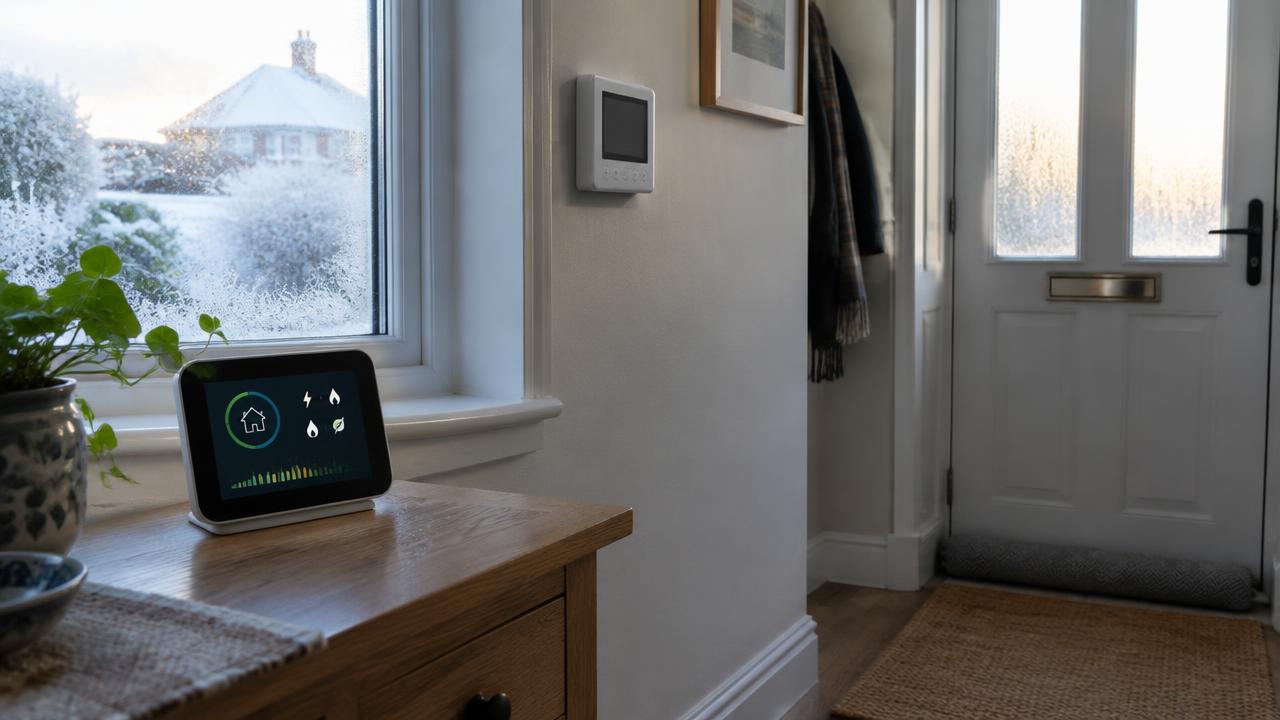
- Send meter readings at the start of winter and monthly afterwards, so you are not paying on estimates. A smart meter does this for you and the in-home display shows what you are using.
- Review your direct debit. Paying a little more in summer to build credit for winter is normal. If you have a large credit balance in spring, you can ask for some back.
- Compare tariffs. Check whether a fixed deal is cheaper than the price cap for your region. Look at unit rates and standing charges, and check exit fees.
- Pay by direct debit if you can. It is usually cheaper than paying on receipt of a bill.
Step 7: Claim the help you are entitled to
- Warm Home Discount: a £150 rebate on electricity bills for eligible households, mostly applied automatically for people on certain benefits.
- Winter Fuel Payment: between £100 and £300 for people of State Pension age, paid automatically in most cases. Those with higher incomes may have it taken back through tax.
- Cold Weather Payment: £25 for each seven-day spell of very cold weather in your area, for people on certain benefits.
- Priority Services Register: free extra support from your supplier and network if you are older, disabled, have a health condition or young children.
- Free insulation and heating upgrades may be available through ECO4 and the Great British Insulation Scheme. Check the GOV.UK eligibility tool.
If you are struggling to pay, talk to your supplier early. They must work with you on an affordable plan, and Citizens Advice can help for free.
Your winter energy checklist
- Boiler serviced and carbon monoxide alarm tested.
- Heating timer and thermostat set to your routine.
- Flow temperature checked on a combi boiler.
- Draughts sealed, vents left clear, curtains closed at dusk.
- Meter reading sent and direct debit checked.
- Tariff compared and any help you qualify for claimed.
Frequently asked questions
What temperature should I heat my home to in winter?
Health guidance suggests keeping the rooms you use at 18°C or warmer, especially if you are older, have a health condition or have a young baby. Turning down rooms you do not use is safer than making the whole home cold.
Is it cheaper to leave the heating on low all day?
For most gas boiler homes, no. Heating only when you need it, using a timer, usually uses less energy. Heat pumps are different: they normally work best running steadily at a lower temperature, so follow your installer's advice.
Do electric heaters save money?
Heating one small room for a short time with a portable heater can cost less than heating a whole house. But electricity costs about three times as much per unit as gas under the price cap, so using electric heaters for long periods is usually expensive.
Should I switch to a fixed energy tariff for winter?
Compare a fixed deal against the current price cap rates for your region. A fix gives certainty, but some cost more than the cap and charge exit fees. Your usage is highest in winter, so the unit rate matters most.
What if I cannot afford my energy bill?
Contact your supplier straight away. Ofgem rules mean suppliers must offer affordable payment plans and consider your ability to pay. You can also get free help from Citizens Advice and check whether you qualify for the Warm Home Discount.
Sources and further reading
- Ofgem: energy price cap
- Energy Saving Trust: quick tips to save energy
- GOV.UK: find energy grants for your home
- GOV.UK: Warm Home Discount
- GOV.UK: Winter Fuel Payment
- GOV.UK: Cold Weather Payment
- Citizens Advice: help paying energy bills
General information prepared by CompareDirect. Savings depend on your home, heating system, tariff and the weather. Photos are illustrations.
Before you buy
Our listings are dated snapshots of providers' own pages, not live prices. Always check the price, contract length and terms on the provider's website. Nothing here is financial or insurance advice.
More guides
- SIM only deals guide
- Phone contracts guide
- How to upgrade your phone contract
- Broadband guide
- Best broadband in my area
- Gas & electricity guide
- Car insurance guide
- Best time to get car insurance quotes
- Check mobile coverage before switching
- Mobile roaming checklist
- Broadband social tariffs explained
- Moving home energy checklist
- Car insurance renewal checklist
- Is my car insured? Free check
- Car insurance groups explained
- When is my car insurance due?
- How much is car insurance?
Want the next one when it lands? Follow CompareDirect on Facebook — new guides and money-saving tips go there first.
Found this helpful? Share it with family and friends.
Forward this to someone whose bills have gone up this month.