
- Free to useNo fees, no hidden costs
- Source-linked informationFacts from GOV.UK, the Road Traffic Act 1988 and the Motor Insurers' Bureau
- Insurer-direct linksGet your price from the insurer
Free car insurance and motoring tools
Check your excess, work out fuel costs, check an MOT and see what paying monthly really costs.
Automatic grace period
None
UK policies end at the exact time and date on the certificate. There is no built-in extension.
Driving after expiry
Uninsured
Even an hour after cover ends, you're driving without insurance.
Fixed penalty
£300 and 6 points
The standard penalty for driving without insurance, with court fines unlimited.
Keeper's duty
Continuous
Even parked and unused, an uninsured car that's not declared off the road can be fined.
The basics
Where the grace period myth comes from
The belief that you get a week or two of grace after your insurance runs out is widespread, and completely wrong. It probably survives because a few real situations look similar. None of them is a grace period.
The certificate time is exact
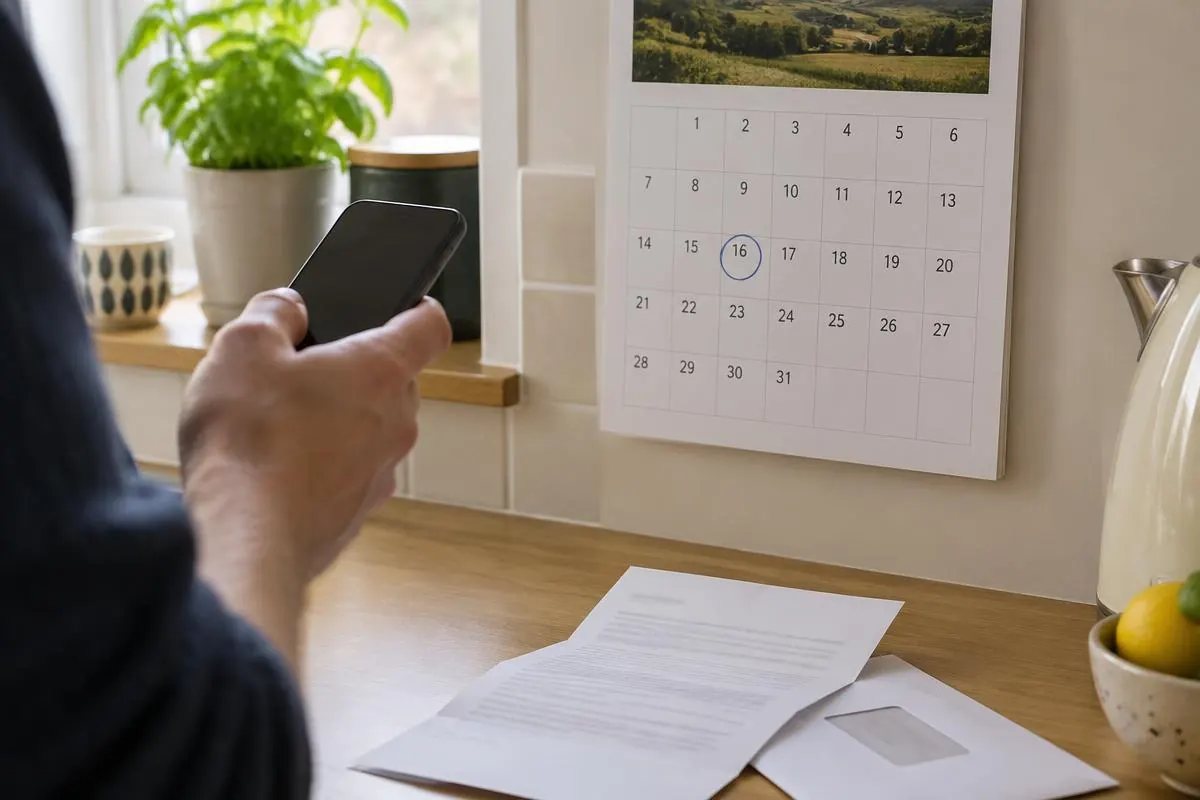
Your certificate of motor insurance states when cover starts and ends, often to the minute, such as 23:59 on the expiry date. After that moment, the policy no longer exists.
Driving other cars is not a grace period
Some comprehensive policies let you drive someone else's car with their permission in an emergency. That's a separate, limited benefit while your own policy is live, not extra time after it ends.
Cooling-off is not a grace period
The 14-day cooling-off period lets you cancel a new policy you regret. It doesn't extend an expired one, and it works backwards from purchase, not forwards from expiry.
Myth busting
Grace period myths vs the law
Each of these beliefs has cost real drivers real money. Here's what the law actually says.
Common beliefs about insurance expiry, and the legal reality
| The myth | The reality |
|---|---|
| I get 7 or 14 days of grace after expiry | No UK policy includes this. Cover ends at the exact time on the certificate. |
| I'm fine if I've already paid for next year | Only once the new policy's start time arrives. Payment alone doesn't start cover. |
| Auto-renewal means I can't be uninsured | Auto-renewal can fail if payment fails. Check the new documents arrived. |
| A parked car doesn't need insurance | It does, unless it's declared off the road (SORN). Keepers of uninsured cars face a £100 fixed penalty. |
| The database is slow, so I won't be caught | Police check the Motor Insurance Database at the roadside, and keepers are checked automatically against it. |
| My old insurer will cover me while I shop around | Once the policy ends, the insurer owes you nothing. There is no goodwill cover. |
The penalty for driving without insurance is a £300 fixed penalty and 6 points, or an unlimited fine and a ban in court.
Staying covered
Six steps so you never hit the expiry time
The fix is simple: never let the moment arrive. These steps keep a live policy between you and the law at all times.
- 1
Find the exact end time now
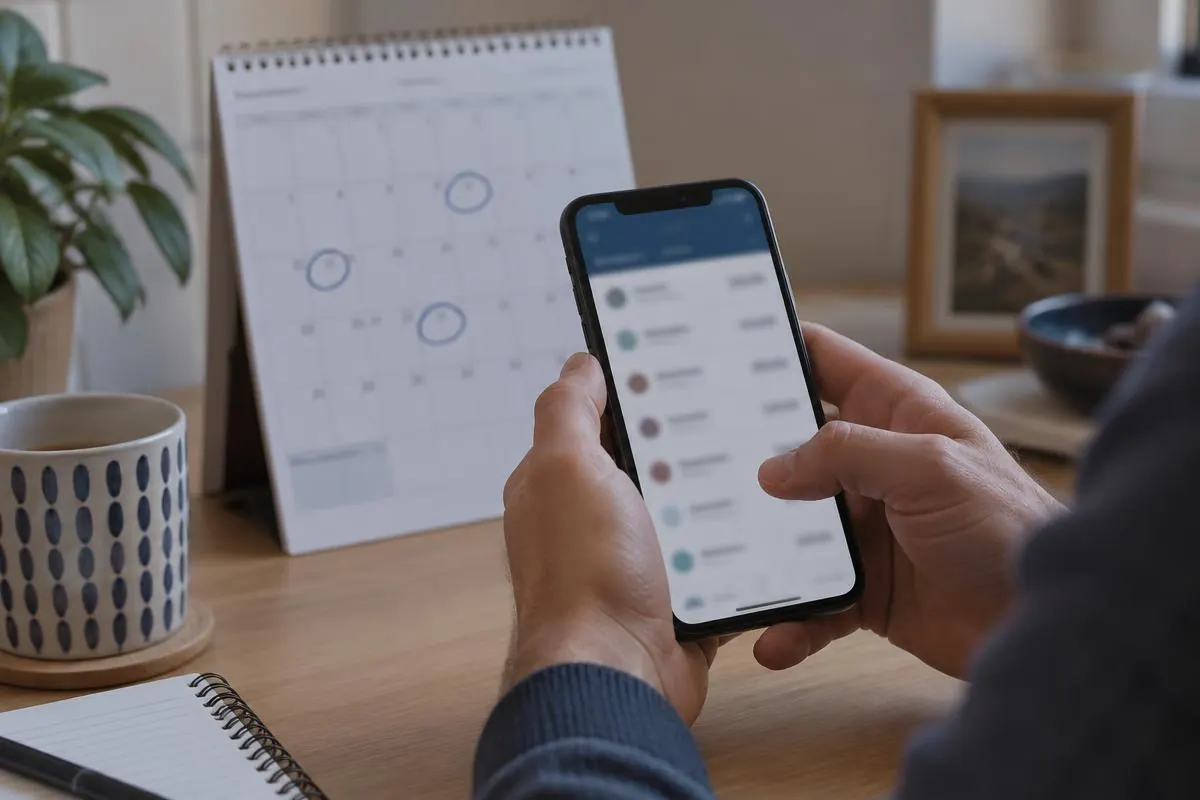
Open your certificate and read the expiry date and time. Put a reminder in your phone for three weeks before it.
- 2
Compare prices early
Quotes are often cheaper a few weeks before renewal than on the last day. Start looking around three weeks ahead.
- 3
Line up the new policy to the minute
Set the new policy to start the moment the old one ends. Overlap slightly if you're unsure of the times; a small overlap costs little.
- 4
Check auto-renewal actually happened
Auto-renewal can fail if your card has expired or a payment bounces. Confirm the new documents arrived before the old policy ends.
- 5
Check the insurance database after renewing
Search your registration on the Motor Insurers' Bureau's free check. If it shows nothing after a few days, call your insurer before you drive.
- 6
If you're not driving, declare the car off the road
A SORN tells the DVLA the car is off the road, so you don't need insurance. Without it, an uninsured car can be fined even if it never moves.

Stay covered
10 ways to never drive uninsured
Every one of these is easier than dealing with a £300 fine, 6 points and a seized car.
1. Know your exact expiry time
Not just the day. The hour matters, and it's on your certificate.
2. Set two reminders
One three weeks before expiry to compare prices, one three days before to confirm everything's in place.
3. Never assume auto-renewal worked
Expired cards and failed payments kill auto-renewals. Confirm the new certificate exists.
4. Insure a new car before you collect it
Set cover to start before you drive away. The drive home from the seller needs insurance too.
5. Keep your certificate on your phone
If you're stopped, you can show proof of cover even when the database hasn't caught up.
6. SORN a car you're not using
A car off the road with a SORN doesn't need insurance. Without the SORN, it does.
7. Check named drivers are still covered
A policy change or expiry affects everyone who drives the car. Make sure each driver knows the renewal date.
8. Match cover to how you use the car
Commuting or work use needs the right class of use. The wrong class can leave you effectively uninsured for that journey.
9. Compare early for a better price
Last-minute renewals often cost more. Shopping around three weeks ahead usually beats the auto-renewal price.
10. Check the database after every change
New policy, new car, new plate: check your registration on the MIB's free service a few days later.
Save money
Renewing without overpaying or risking a gap
The pressure of an expiry date pushes drivers into bad deals. These habits give you time to get it right.
Start three weeks early
Prices are often lower well before renewal, and you have time to read the cover properly instead of panic-buying.
Check the auto-renewal price against the market
Renewal quotes are rarely the cheapest. Compare before you let it roll over.
Overlap by a day if times are unclear
If you can't confirm the exact end and start times, a day's overlap costs far less than an uninsured drive.
Pay annually if you can
Monthly payments add interest. If the lump sum is hard, compare the total cost, not just the monthly figure.
Don't cancel the old policy early
Cancelling before the new one starts creates the gap you're trying to avoid. Let it run to its end time.
Keep proof of your no claims bonus
Ask your old insurer for proof so the new one applies your discount from day one.
Know your cover
Types of car insurance
Whatever level of cover you buy, the expiry rules are identical. Here's a reminder of what each level includes while it's live.
Third party only
- Injury to other people
- Damage to other people's cars and property
- Not covered: Damage to your own car, fire or theft
The legal minimum to drive on UK roads.
Third party, fire and theft
- Everything in third party
- Your car if it's stolen
- Your car if it catches fire
- Not covered: Accident damage to your own car
A middle option that's sometimes no cheaper than comprehensive.
Comprehensive
- Everything in TPFT
- Repairs to your own car, even if the crash was your fault
- Often extras such as windscreen cover
- Not covered: Your excess, and anything the policy excludes
Often priced close to the others. Compare all three.
What happens if you're caught after expiry
The consequences escalate quickly, and 'I thought I had grace' is not a defence.
Roadside checks
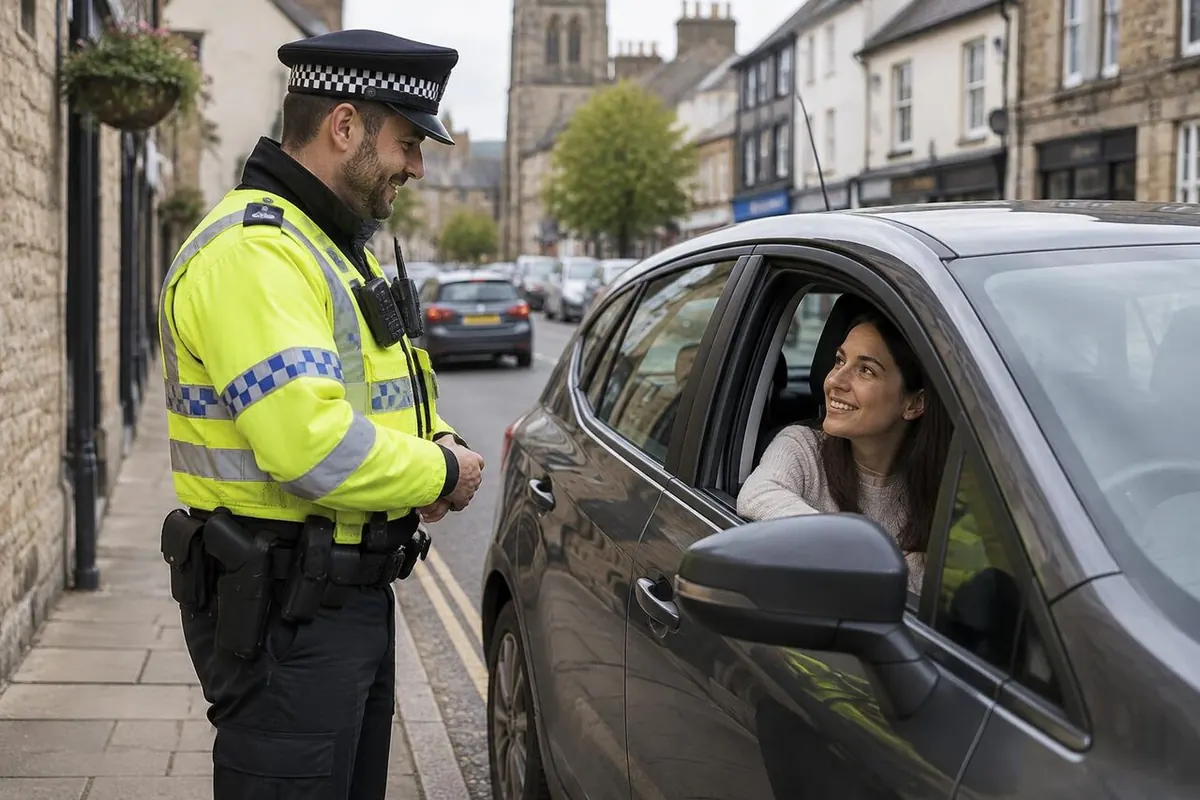
Police can check the Motor Insurance Database by registration in seconds. If your policy ended yesterday, it shows as uninsured.
The fixed penalty
Driving without insurance brings a £300 fixed penalty and 6 penalty points. For new drivers, 6 points can mean losing the licence.
Court
If the case goes to court, the fine is unlimited and you can be banned from driving.
Your car can be seized
Police can seize, and in some cases destroy, a vehicle being driven without insurance. Getting it back means fees plus proof of new insurance.
There is no grace period. Not one day, not one hour
If you take one thing from this page, take this: when your certificate says cover ends at 23:59 on a date, you are uninsured from 23:59:01. Driving after that moment risks a £300 fine and 6 points, an unlimited fine and a ban in court, and the police can seize your car. If you're keeping the car off the road instead, declare a SORN, because an uninsured car without one can be fined even if it never moves. Check your expiry time today.
Paying in instalments
Paying monthly: what to check
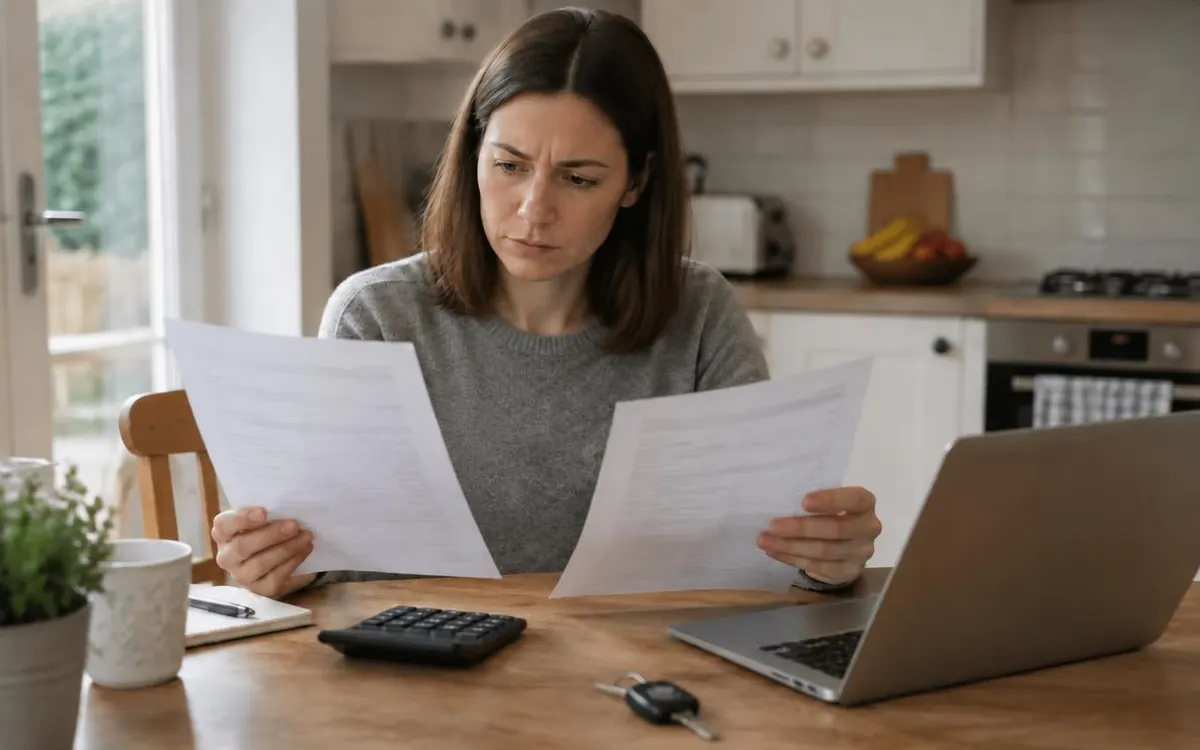
Paying monthly adds a second expiry risk: if a payment fails, the policy can be cancelled mid-year, which leaves you uninsured just as surely as a missed renewal.
- The date each monthly payment leaves your account, so you can keep funds available.
- What your insurer does after a failed payment, and how long you get to fix it.
- Whether the policy cancels automatically after missed payments.
- The APR and total cost of paying monthly versus annually.
- Whether your card details are up to date before renewal.
If you can afford it, paying annually is usually cheapest. Our monthly vs annual calculator shows the difference. CompareDirect doesn't lend money or arrange finance.
Questions
Grace period FAQs
Is there a grace period when car insurance expires in the UK?
No. UK car insurance has no automatic grace period. Cover ends at the exact time and date on your certificate, and driving after that is driving without insurance.
Where did the 7-day grace period idea come from?
Probably from confusion with other rules, such as the 14-day cooling-off period for cancelling a new policy, or the seven days police allow you to produce documents at a station. Neither extends your cover.
What happens if I drive the day after my insurance expires?
You're driving uninsured. The fixed penalty is £300 and 6 points, the court fine is unlimited with a possible ban, and the police can seize the car.
My policy auto-renews. Can I still end up uninsured?
Yes. Auto-renewal fails if your card has expired or a payment bounces. Always confirm the new certificate has arrived before the old policy ends.
Does a parked car need insurance?
Yes, unless it's declared off the road with a SORN. Under continuous insurance enforcement, the keeper of an uninsured car without a SORN faces a £100 fixed penalty even if the car never moves.
I've paid for next year's policy. Am I covered now?
Only when the new policy's start time arrives. Payment alone doesn't start cover; the certificate's start date and time do.
Can I drive someone else's car while mine is uninsured?
Some comprehensive policies include limited driving-other-cars cover while your own policy is live, usually third party only and for emergencies. Once your policy expires, that benefit expires too.
How do I check I'm still insured?
Search your registration on the Motor Insurers' Bureau's free askMID check. Allow a few days for new policies to appear, and keep your certificate with you in the meantime.
Ready to compare?
The best time to compare is about three weeks before renewal: prices are often better, and you have time to line the new policy up to the minute. Have your licence, registration and mileage to hand.
Browse insurers
Latest from CompareDirect
Related news
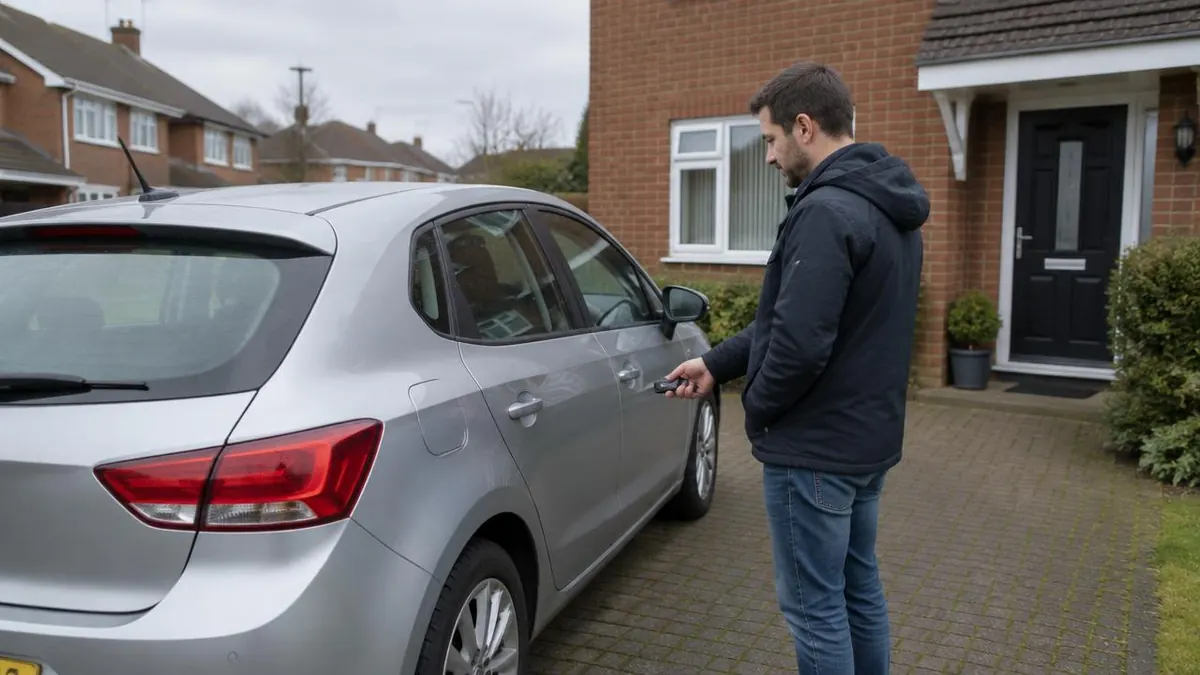
A registration typo led to a conviction
Why every detail on your policy needs to be right.
Read more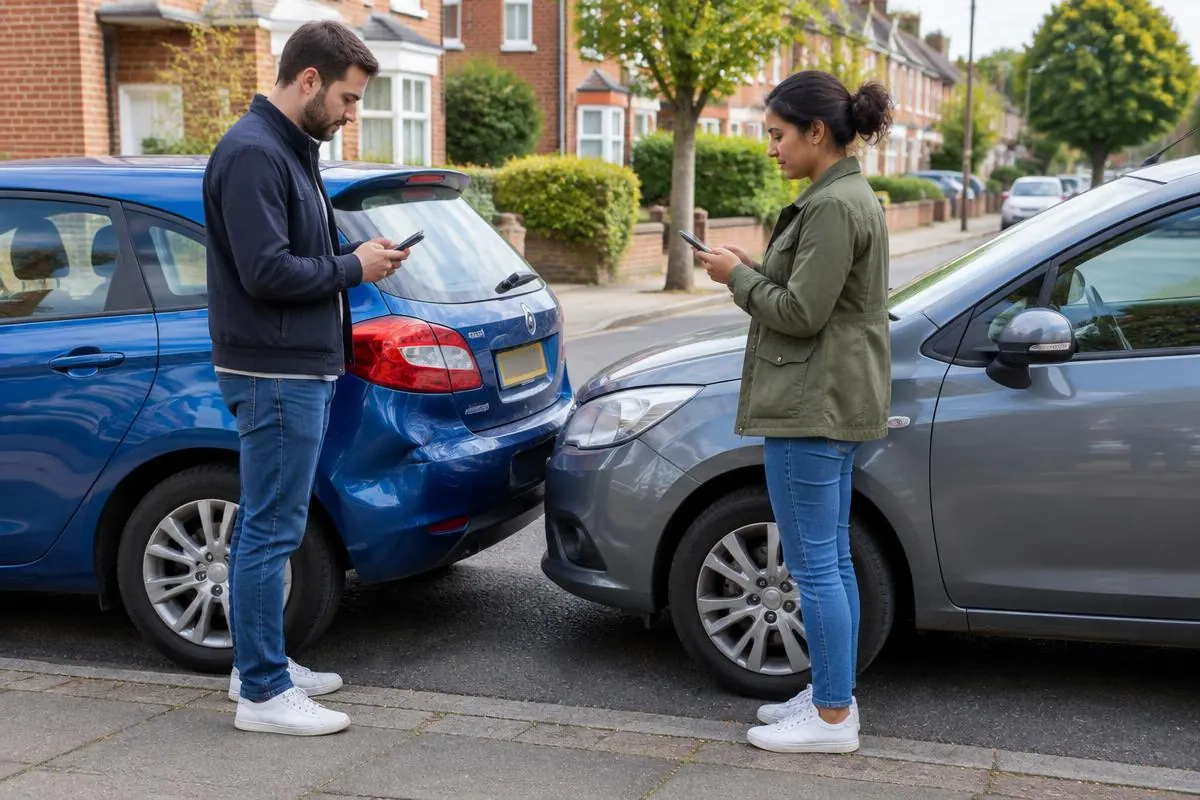
Hit by an uninsured driver? What to do
The steps to take and when the MIB can help.
Read more
Record shopping around, but most drivers stay
Why comparing every year pays off.
Read more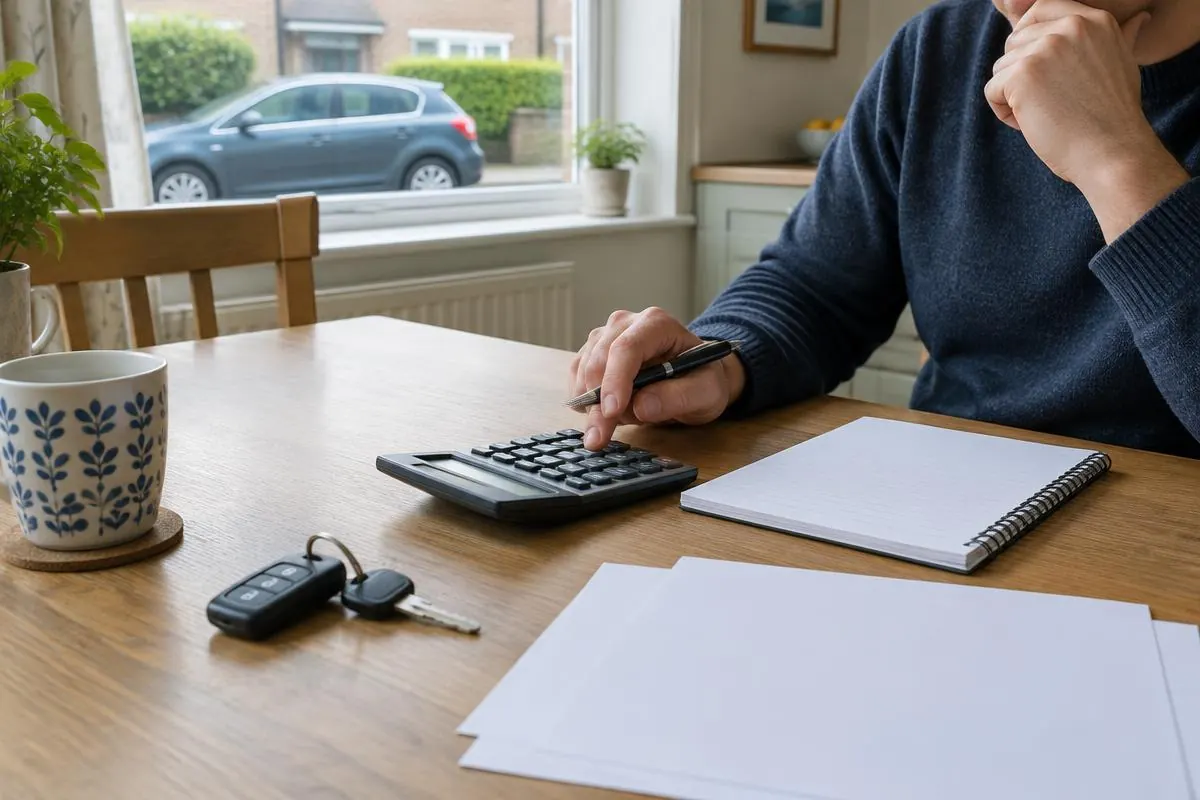
Monthly car insurance: compare the total cost
Why the monthly price isn't the whole story, and what to check first.
Read moreKeep reading
Guides and tools
Continuous insurance enforcement
How automatic database checks fine uninsured keepers.
Read more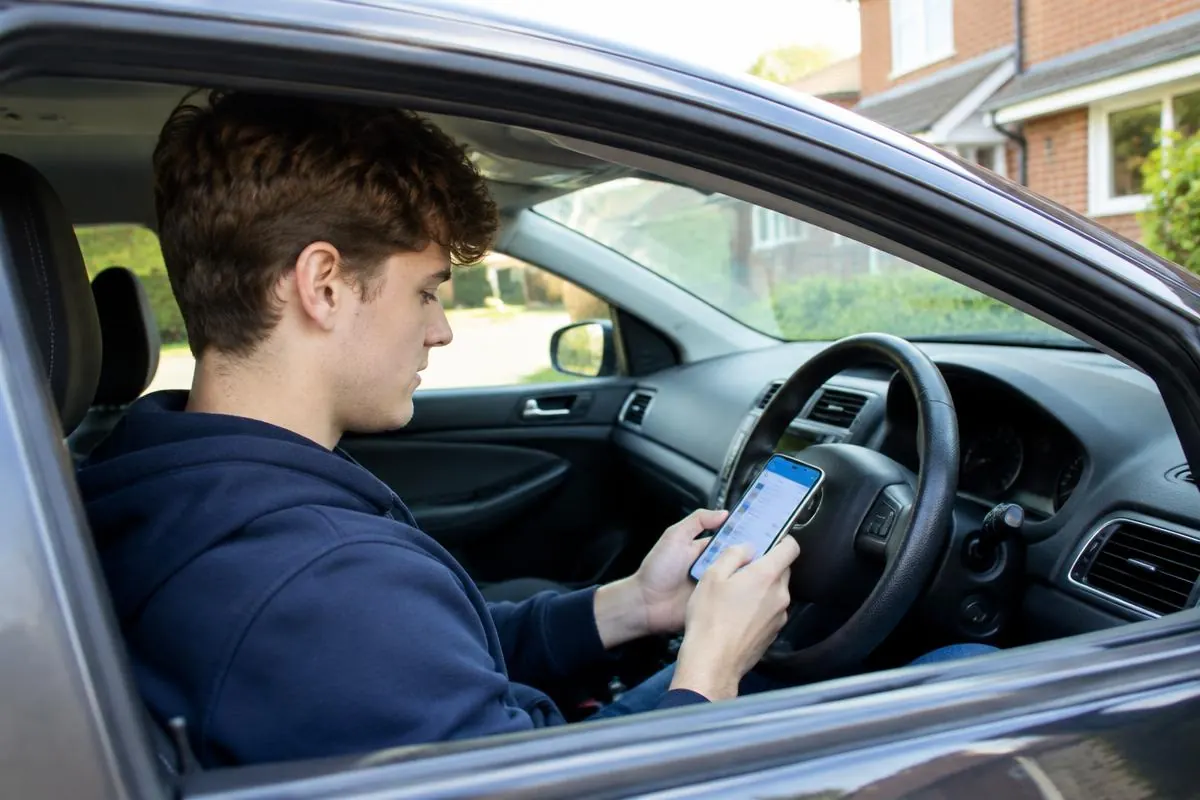
If your insurer cancels your policy
What to do next and how to declare it.
Read more
Is my car insured?
How to check the insurance database for free.
Read more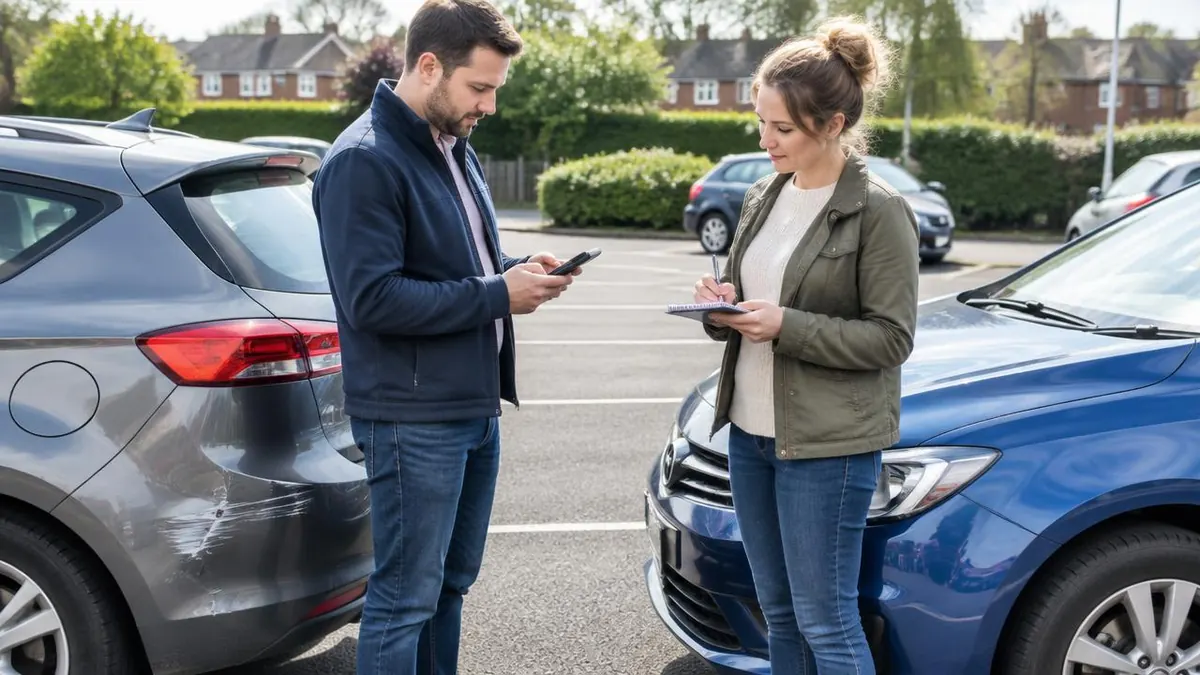
Switching insurer
How to switch without a gap in cover.
Read moreSources
- GOV.UK: vehicle insurance
- GOV.UK: driving without insurance
- GOV.UK: uninsured vehicles and continuous insurance enforcement
- Road Traffic Act 1988, section 143: users of motor vehicles to be insured
- Motor Insurers' Bureau: check insurance details
This page is general information, not advice. Insurers set their own prices, discounts and terms, so always read the policy documents before you buy. CompareDirect does not sell or arrange insurance or credit. Photos are illustrative.