News feed · CompareDirect · · Loading views…
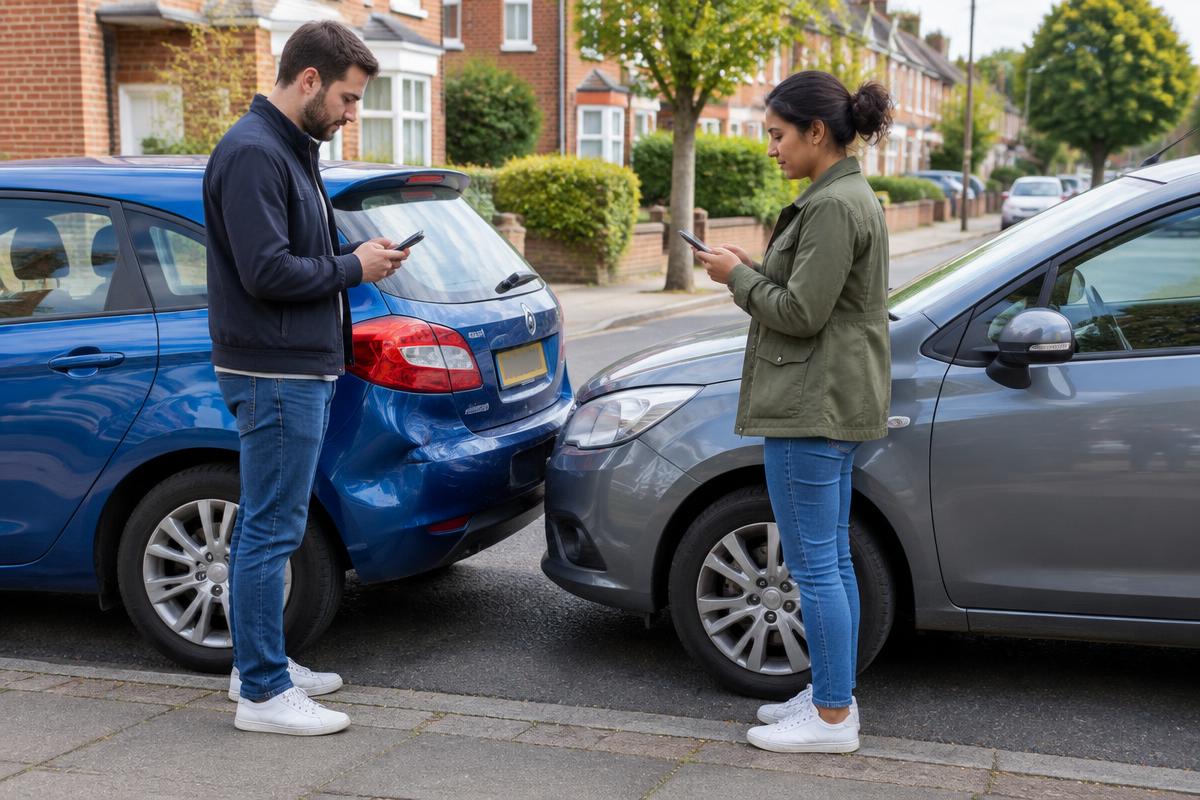
An uninsured or hit-and-run driver can leave you facing a difficult claim. Here are the first steps to take, and how the Motor Insurers’ Bureau may help.
Discovering that another driver has no insurance does not necessarily leave you without a route to compensation. The Motor Insurers’ Bureau (MIB) handles eligible claims involving uninsured or untraced drivers. But help depends on the circumstances: it is not a guarantee that every repair bill or other loss will be paid.
1. Deal with safety and reporting first
After an accident, prioritise safety and get emergency help if needed. GOV.UK says that after a collision causing damage or injury, you must give your name, address and vehicle registration to anyone with reasonable grounds to request them. Give the vehicle owner’s name and address too if it is not your car.
If you do not give your details at the scene, you must report the accident to the police within 24 hours. You should also tell the police if the other motorist is uninsured. Notify your own insurer even if you do not intend to claim.
2. Keep the evidence together
Where it is safe, record the registration, location, time and the other driver’s details. Keep photographs of the damage and scene, witness contact details and any police reference. Save repair estimates and relevant medical information. MIB asks for information about the accident, damage or injuries and witnesses when assessing a claim.
An uninsured driver is identified but lacks valid insurance. An untraced driver cannot be identified, as can happen after a hit-and-run or when false details are given. These are different claim situations, not interchangeable labels.
3. Check which organisation should handle the claim
Ask your insurer about your own cover before assuming you must arrange everything yourself. Then use MIB’s eligibility guidance. Its support can extend beyond drivers to passengers, pedestrians and people whose property has been damaged, subject to the relevant agreements and legal rules.
Not every case belongs in the same process. MIB explains that some lower-value injury claims in England and Wales are handled through other routes. Follow its guidance rather than choosing a claims service solely from an advertisement.
4. Do not assume a payout or a fixed deadline
MIB investigates before deciding whether to compensate. Evidence, responsibility for the accident and the applicable rules matter. Claim time limits vary with the type of loss, location and circumstances, so check promptly rather than relying on a single deadline from social media.
The practical takeaway: report the collision, tell your insurer and keep your evidence. If an uninsured or unidentified driver caused it, check the official MIB route before deciding you have no options.
This is general consumer information, not advice on an individual claim. Photo: AI-generated illustration for CompareDirect, not a real accident.
Reporting guidance: GOV.UK: what to do after a vehicle accident.
Source: Motor Insurers’ Bureau: claim eligibility
Compare car insurance deals in the UK.
Written by CompareDirect. Prices and terms change, so check the source and the provider before you buy.