News feed · CompareDirect · · Loading views…
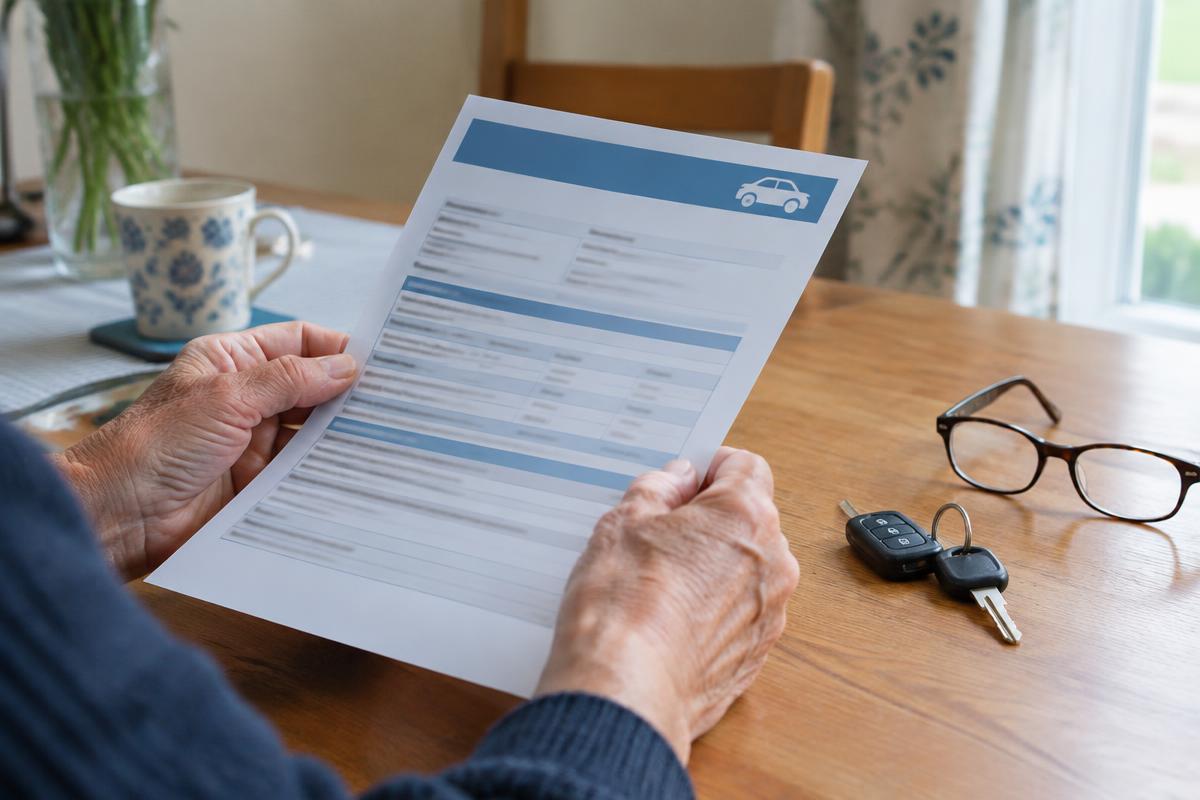
A York pensioner in her 80s was convicted of having no insurance because her policy showed one wrong letter in her number plate. Here is why it happened and how to check your own documents.
An elderly driver from York has ended up with a criminal record after a single-character mistake on her car insurance. Her case, first reported by BBC News, is a reminder that insurance databases match policies to vehicles by registration, so a small typing slip can make a paid-for policy look as though it does not exist.
What happened
The 86-year-old had bought a year of cover for her small hatchback and believed she was fully insured. But the registration on the policy contained an F where her number plate has an S. Because the details did not match, official records showed the car as uninsured, and the DVLA began a prosecution for keeping a vehicle without insurance.
She wrote to the court explaining the error, and a relative also wrote to say the family was now helping her manage her paperwork. Even so, she was convicted through the Single Justice Procedure. She received a three-month conditional discharge rather than a fine, plus a £26 victim surcharge. According to the BBC's report, the DVLA later said it would check her paperwork and seek to overturn the conviction if the typo was the cause.
Why a fast-track court did not catch it
The Single Justice Procedure was introduced in 2015 to deal with minor offences more cheaply. One magistrate decides the case privately using written papers, without a hearing. Critics argue that explanations sent in by defendants are not always reviewed by the prosecutor before a decision, so cases that may no longer be in the public interest can still go through.
How to avoid the same problem
1. Check the registration on your certificate and schedule letter by letter. Easily confused characters include S and 5, O and 0, I and 1, B and 8, and F and E.
2. Search the Motor Insurance Database. The free askMID service lets you enter your registration and confirm your vehicle shows as insured. If it does not, contact your insurer straight away.
3. Recheck after any change. Buying a new car, getting a private plate or switching insurer all create a fresh chance for an error.
4. Read every DVLA letter promptly. If you receive a notice about no insurance, reply with your policy documents and ask your insurer for written confirmation of cover from the start date.
5. Help older relatives with renewals. A quick second pair of eyes on renewal documents can prevent this kind of mix-up.
The takeaway
Having a policy is not enough on its own: the details on it must match your car. A two-minute check of your documents and the insurance database can save a court case, a criminal record and a lot of stress.
This is general information, not legal advice. Facts about the case are summarised from BBC News reporting; all wording here is CompareDirect's own. Photo: AI-generated illustration, not the person involved.
Source: BBC News: original report
Compare car insurance deals in the UK.
Written by CompareDirect. Prices and terms change, so check the source and the provider before you buy.
More stories on this subject
Found this helpful? Share it with family and friends.
Know someone who might find this useful? Share it with them.