- Free to useNo fees, no hidden costs
- Source-linked informationEvery figure from Ofgem's own publications
- Official figuresRates read from Ofgem's own tables
Free energy tools and calculators
Work out a bill at today's price cap, see what an appliance costs to run and compare fixed and variable tariffs.
Changes
Every 3 months
Ofgem sets a new cap for January, April, July and October.
What it limits
Rates, not bills
Use more energy and you pay more. There is no maximum bill.
Where it applies
Great Britain
England, Scotland and Wales. Northern Ireland has its own rules.
Typical use
2,500 / 9,500 kWh
Electricity and gas a year: Ofgem's medium household since July 2026.
This quarter
The price cap for 1 October to 31 December 2026
Ofgem says it will announce the cap for 1 January to 31 March 2027 by 25 November 2026.
Typical yearly bill, dual fuel
£1,723
At 2,500 kWh electricity and 9,500 kWh gas
Electricity, GB average
26.32p per kWh
Standing charge 54.83p a day
Gas, GB average
7.97p per kWh
Standing charge 29.68p a day
What makes up the cap
- Wholesale energy47%
- Networks (pipes and wires)24%
- Running costs, debt and industry costs17%
- Government schemes (policy costs)6%
- Supplier profit allowance2.7%
- Headroom1%
- Levelisation (evening out payment methods)0.5%
Ofgem's own breakdown. Shares may not add to 100% because of rounding. A negative levelisation share means that way of paying is evened out downwards. VAT is charged on gas at 5% and on electricity at 0% this period. Ofgem's summary
The cap in your region (Direct Debit)
Electricity
26.32p per kWh
Standing charge 54.83p a day
Gas
7.97p per kWh
Standing charge 29.68p a day
Typical yearly cost
£1,723.61
From Ofgem's Great Britain average rates
Typical cost worked out from this region's rates at Ofgem's typical use. Your bill depends on how much you use.
The basics
What the price cap does
Ofgem, the energy regulator for Great Britain, sets the cap to stop suppliers charging more than it costs to supply energy efficiently on default tariffs. If you have never chosen a deal, or your fixed deal ended and you weren't moved to a new one, you are almost certainly on a capped tariff.
It caps unit rates
Each kWh of gas and electricity you use has a maximum price. Your bill rises with every unit, so a big house or old boiler still means a big bill.
It caps standing charges
The daily fee for being connected also has a maximum. You pay it every day, even on days you use no energy at all.
It varies by region and payment
There is a separate cap for each of the 14 regions, for Direct Debit, prepayment and paying on receipt of a bill, and for single and two-rate meters.
How it's set
How Ofgem sets each new cap
Ofgem follows the same steps every quarter. Knowing the timetable helps you decide when to fix and when to wait.
- 1
Ofgem watches wholesale prices
Over a set observation window it tracks what suppliers pay for gas and electricity on the wholesale market, the largest part of the cap.
- 2
Other costs are added
Network charges for pipes and wires, supplier running costs, government schemes, a small profit allowance and VAT where it applies.
- 3
The new cap is announced
Ofgem publishes the new rates weeks before they start. It names a latest date for each announcement, but says it may publish sooner.
- 4
Suppliers update their prices
Standard variable tariffs change on the first day of the new quarter. Your supplier must tell you before your prices change.
- 5
You check your options
Compare the new cap with fixed deals. A fix can protect you from rises, but you could pay more than the cap if prices fall.
Your meter readings matter on change day
Give your supplier a meter reading on the day a new cap starts, or check your smart meter sent one, so energy you used before the change isn't charged at the new rate.
How it has changed
Price cap history since 2023
This is the typical yearly bill for a dual fuel home paying by Direct Debit, as Ofgem announced it each quarter. Ofgem has lowered its idea of typical use twice, so older figures assume a household that uses more energy. Compare the rates, not just the totals.

Typical yearly dual fuel bill under the cap, Direct Debit
| Quarter | Typical yearly bill | Typical use (electricity / gas) |
|---|---|---|
| January to March 2023 | £4,279 | 2,900 kWh / 12,000 kWh |
| April to June 2023 | £3,280 | 2,900 kWh / 12,000 kWh |
| July to September 2023 | £2,074 | 2,900 kWh / 12,000 kWh |
| October to December 2023 | £1,834 | 2,700 kWh / 11,500 kWh |
| January to March 2024 | £1,928 | 2,700 kWh / 11,500 kWh |
| April to June 2024 | £1,690 | 2,700 kWh / 11,500 kWh |
| July to September 2024 | £1,568 | 2,700 kWh / 11,500 kWh |
| October to December 2024 | £1,717 | 2,700 kWh / 11,500 kWh |
| January to March 2025 | £1,738 | 2,700 kWh / 11,500 kWh |
| April to June 2025 | £1,849 | 2,700 kWh / 11,500 kWh |
| July to September 2025 | £1,720 | 2,700 kWh / 11,500 kWh |
| October to December 2025 | £1,755 | 2,700 kWh / 11,500 kWh |
| January to March 2026 | £1,758 | 2,700 kWh / 11,500 kWh |
| April to June 2026 | £1,641 | 2,700 kWh / 11,500 kWh |
| July to September 2026 | £1,663 | 2,500 kWh / 9,500 kWh |
| October to December 2026 | £1,723 | 2,500 kWh / 9,500 kWh |
Source: Ofgem's announcement for each quarter. From October 2022 to June 2023 the government's Energy Price Guarantee meant households paid less than the cap shown. Totals use the typical use shown, so the 2026 change to lower typical use makes recent figures look lower.
Pay less
Ways to pay less than the cap
The cap is a ceiling, not the cheapest price. These are the main ways households pay less.
1. Fix below the cap
Some fixed deals cost less than the cap for a year or more. Check the exit fee and compare against the cap for your own region.
2. Pay by Direct Debit or prepayment
Paying when the bill arrives (standard credit) has the highest cap. Moving to Direct Debit is usually cheaper.
3. Use less, and use it at cheaper times
Unit rates are the bigger part of most bills. A time-of-use tariff can help if you can move use to cheaper hours.
4. Check for help with bills
The Warm Home Discount and supplier hardship funds can help if you're on certain benefits or struggling to pay.
Know the details
What the price cap doesn't cover
Some homes and tariffs sit outside the cap altogether. If yours is one of them, the cap figures on this page won't match your bill.
Fixed tariffs
Your price is set by your contract for the fixed term. The cap only matters again when the fix ends.
Northern Ireland
The Utility Regulator oversees prices there instead, so Great Britain's cap doesn't apply.
Heat networks and heating oil
Homes on a communal heat network, or heated by oil or LPG, are not covered by the cap.
Business energy
Business contracts have no price cap, even for small firms run from home.
There is no VAT on electricity from 1 October 2026 to 31 March 2027. Gas still carries 5% VAT. Ofgem says this means electricity costs can't be compared directly with earlier quarters.
The cap is not a maximum bill
News reports often quote a single yearly figure such as the typical bill. That is an example for a home using Ofgem's typical amounts of energy. If you use more, you pay more, with no upper limit. Always work out your own cost from your own use.
Before you decide
Your price cap checklist
Run through these checks when a new cap is announced.
- Find your region, payment method and meter type on your bill.
- Look up the cap rates for that combination, not the national typical bill.
- Work out your yearly cost from your own kWh use.
- Compare fixed deals against the cap, including any exit fee.
- Send a meter reading on the day the new cap starts.
- Check whether you can get the Warm Home Discount.
Rates change each quarter. Our price cap calculator works out a bill from your own use at the current cap.

Questions
Common questions
What is the energy price cap?
A limit set by Ofgem on the unit rates and standing charges suppliers can charge households on standard variable (default) tariffs in England, Scotland and Wales.
Does the price cap limit my total bill?
No. It limits the price of each unit and the daily standing charge. The more energy you use, the more you pay.
How often does the price cap change?
Every three months, on 1 January, 1 April, 1 July and 1 October. Ofgem announces each new cap before it starts.
When will the next price cap be announced?
Ofgem publishes a latest announcement date for each quarter on its website. The date for the next one is shown in the live box near the top of this page while it is still to come.
Why is my price different from the typical figure?
The typical figure assumes Ofgem's medium use and the Great Britain average rates for one payment method. Your region, meter, payment method and actual use all change your bill.
Is the price cap the same everywhere?
No. Each of the 14 regions has its own cap, mainly because the cost of running local networks differs. Our energy prices by region page compares them.
Am I on a price-capped tariff?
If you haven't chosen a fixed deal, or yours ended and you weren't moved to a new one, you are probably on your supplier's standard variable tariff, which is capped.
Does the price cap apply to prepayment meters?
Yes. Prepayment has its own cap, and its standing charges are now set at the same level as Direct Debit.
Can you beat the price cap?
See this quarter's rates for your region next to tariffs from suppliers, ranked by estimated yearly cost.
Compare energy dealsLatest from CompareDirect
Related news
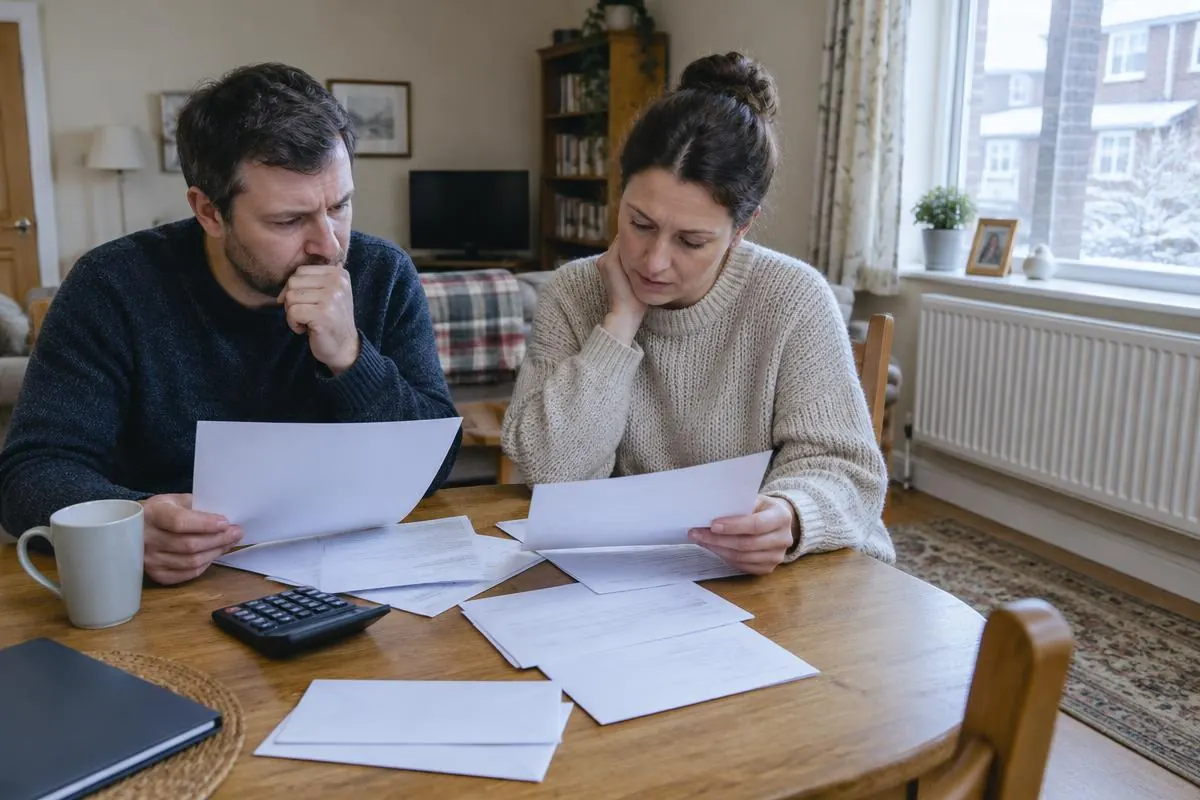
Autumn Budget 2026: what changes for energy bills
The confirmed changes to household energy bills and when they start.
Read more
Heating mistakes that cost you money
Simple ways to keep your home warm without wasting energy.
Read more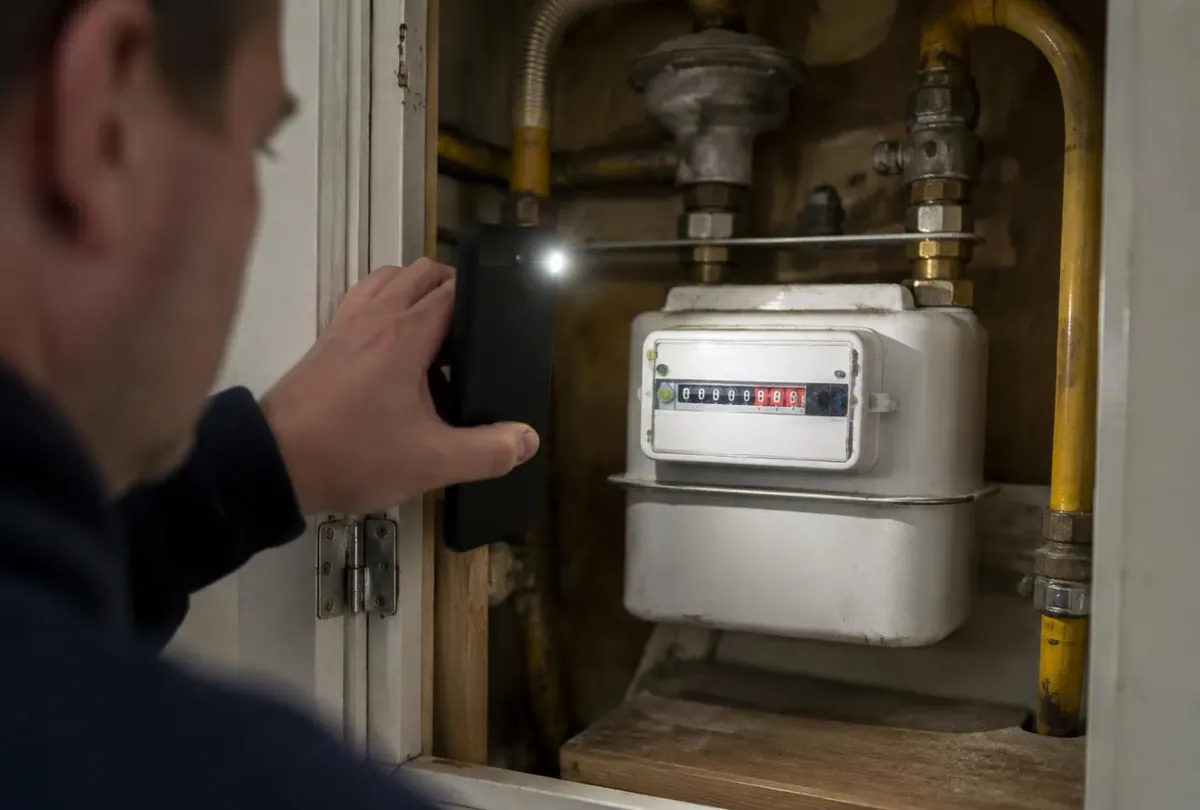
Ofgem's gas allowance change and the price cap
What Ofgem's planned change means for gas bills.
Read moreKeep reading
Guides and tools
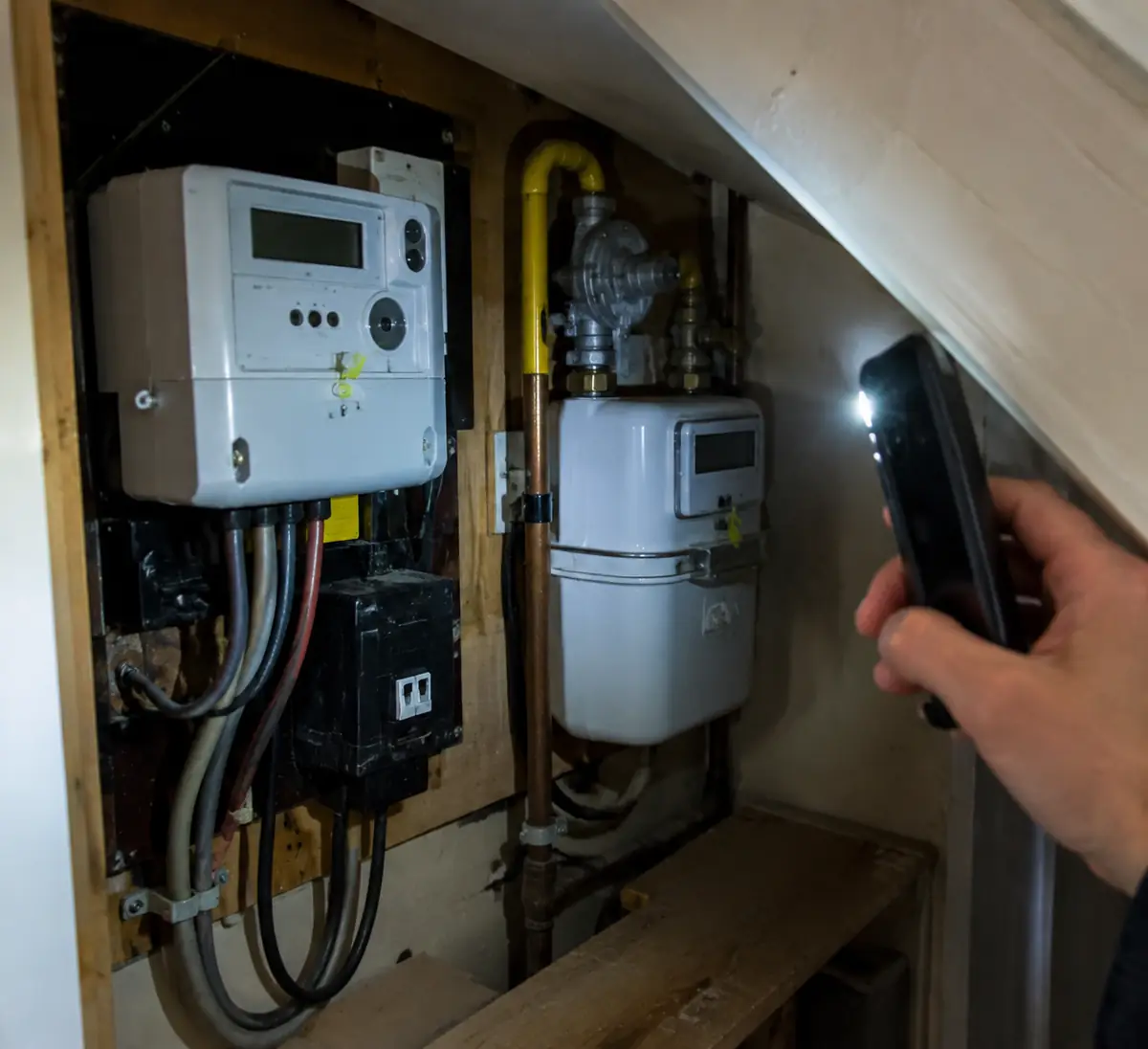
Standing charges by region
Daily charges in all 14 regions for every way of paying.
Read more
Economy 7 explained
Day and night rates, and whether a two-rate meter suits you.
Read more
Octopus Agile prices today
Half-hourly prices for your region, with the cheapest times.
Read more
Energy prices by region
Price cap rates and typical bills on a map of Great Britain.
Read moreSources
- Ofgem: energy price cap unit rates and standing charges
- Ofgem: energy price cap and standing charges explained
- Ofgem: changes to the cap, 1 October to 31 December 2026
- Ofgem: summary of changes, October to December 2026 (PDF)
- Ofgem: review of typical domestic consumption values
- Ofgem: if you're not protected by the price cap
This page is general information, not advice. The price cap limits unit rates and standing charges, not your total bill. Suppliers set their own tariffs and terms, so check the details with your supplier before you switch. Photos are illustrative.