News feed · CompareDirect · · Loading views…
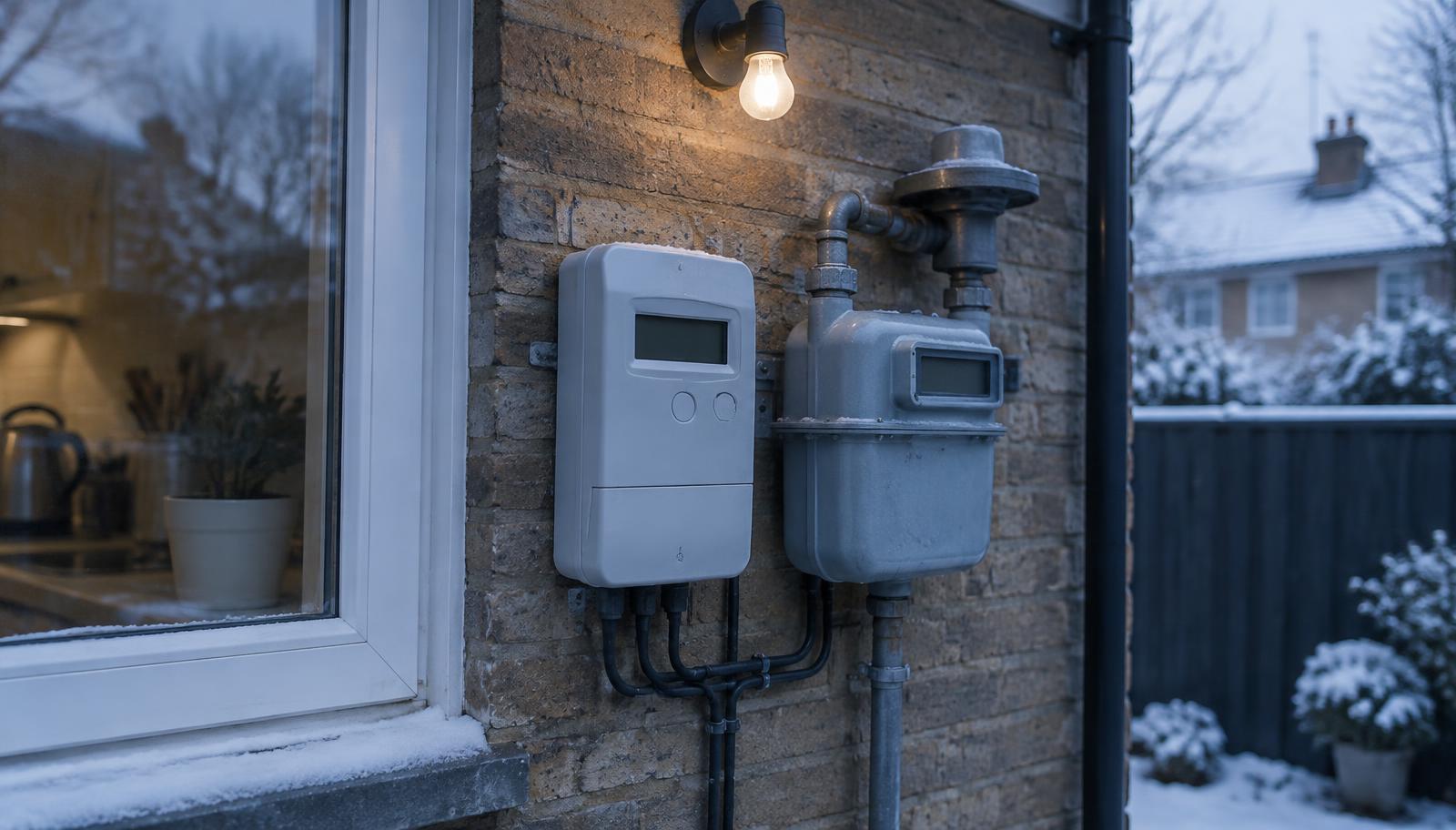
VAT on electricity extended to July, a £100 winter payment for bands A to D, and gas standing charges to be removed. What is confirmed, what is not, and what to check.
The Autumn Budget delivered on 28 October 2026 is where the real household news sits for energy bills. The Chancellor said the government's priority "first and foremost" is cheaper energy, and set out immediate relief for this winter alongside longer-term reform. Some of it is confirmed with dates; some is still a commitment to bring forward details.
Every figure and date below comes from the Budget speech as delivered and the accompanying government fact sheet.
What is confirmed for households
VAT on electricity, cut for 29 million households in the government's first week, is extended through the winter and spring to July. The Chancellor said that takes £50 off the annual price cap.
A £100 energy payment is being made this winter for households in council tax bands A to D — described as reaching 20 million households, a £2.6bn scheme, paid directly into bank accounts. The government fact sheet confirms it for households in those bands in England from January 2027. The Scottish, Welsh and Northern Ireland governments receive their share of the funding and were called on to do the same, so what you get depends partly on where you live. A further £100 million goes to local authorities in England for households most acutely impacted.
From next year, the government says standing charges will be removed from household gas bills through Ofgem. The Chancellor put the cost of those charges at over £100 a year for households regardless of how much gas they use, and said similar reforms to electricity bills will follow.
The upcoming Gas Shipper's Obligation, a levy that funds hydrogen projects, will be scrapped, with those projects backed directly from government instead.
What is a commitment rather than a done deal
A new Cost Control Framework is to drive down all aspects of energy bills. The long-term plan has three parts: only buying and building new clean power projects when they lower bills and can connect to the grid; moving more older renewables onto fixed-price contracts to reduce the grip of international gas prices; and building cheaper, faster grid connections through GB Grid while reforming the institutions that govern the system.
The Chancellor was clear this "won't happen overnight", and the details of standing charge removal and the Cost Control Framework are still to come. Treat these as direction rather than a date you can plan around.
Also announced: a new Energy Wealth Fund, and approval last week of the Jackdaw gas field, which the government says will add an estimated £2.9bn to the UK economy and protect hundreds of jobs. For business, a new British Industrial Competitiveness Scheme will take 25% off electricity bills for 10,000 firms from April, with backdated payments for this year's energy costs.
The backdrop
The Chancellor attributed rising energy costs to the conflict in the Middle East: oil up from around $70 a barrel to well over $100, and gas prices nearly tripled since February. The Office for Budget Responsibility is predicting £14bn more spent on debt interest this year, driven by higher borrowing costs.
One funding detail to watch: banks will pay an extra 3% on the Bank Surcharge, time-limited from January and ending 15 months later, to pay for the immediate support on energy bills. The Budget does not say how banks will respond, and some may review account charges.
What this means for your bill
Relief is arriving in stages, and none of it is automatic. The VAT extension runs to July; the £100 payment is expected from January 2027 and depends on your council tax band and where you live; gas standing charge reform is described as happening from next year with details to follow.
Check your council tax band, and check whether you are on the tariff that actually suits your usage. Standing charges are a fixed daily cost, so a plan with a low unit rate and a high standing charge can cost more if you use little energy — and the reverse is true for high usage. Removing standing charges may change that arithmetic when it lands.
Our energy comparison lists gas and electricity tariffs using prices taken from suppliers' own published figures, checked on the date shown, so you can compare the full cost rather than a headline rate. Our guides on cutting energy bills and switching cover what to check before you move supplier.
Source: HM Treasury — Budget 2026 speech as delivered by Chancellor John Healey
Compare energy deals in the UK.
Written by CompareDirect. Prices and terms change, so check the source and the provider before you buy.