News feed · Editor · CompareDirect · · Loading views…
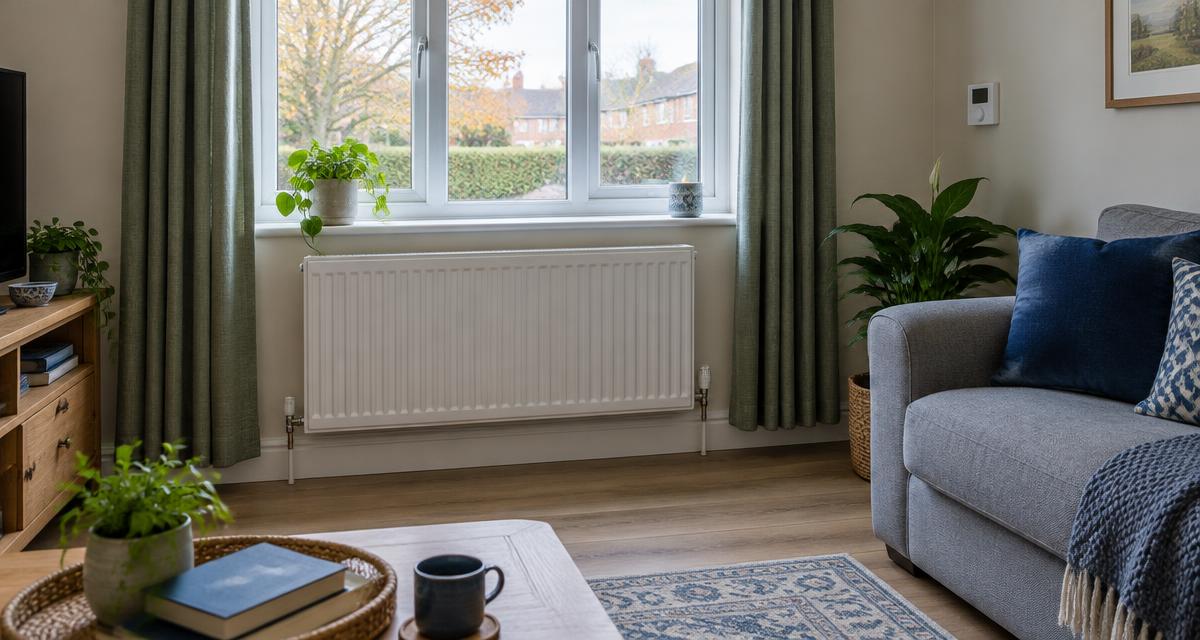
Simple heating habits can waste energy without making your home more comfortable. Here are six checks for UK households, with safe advice on thermostats, radiators and boiler controls.
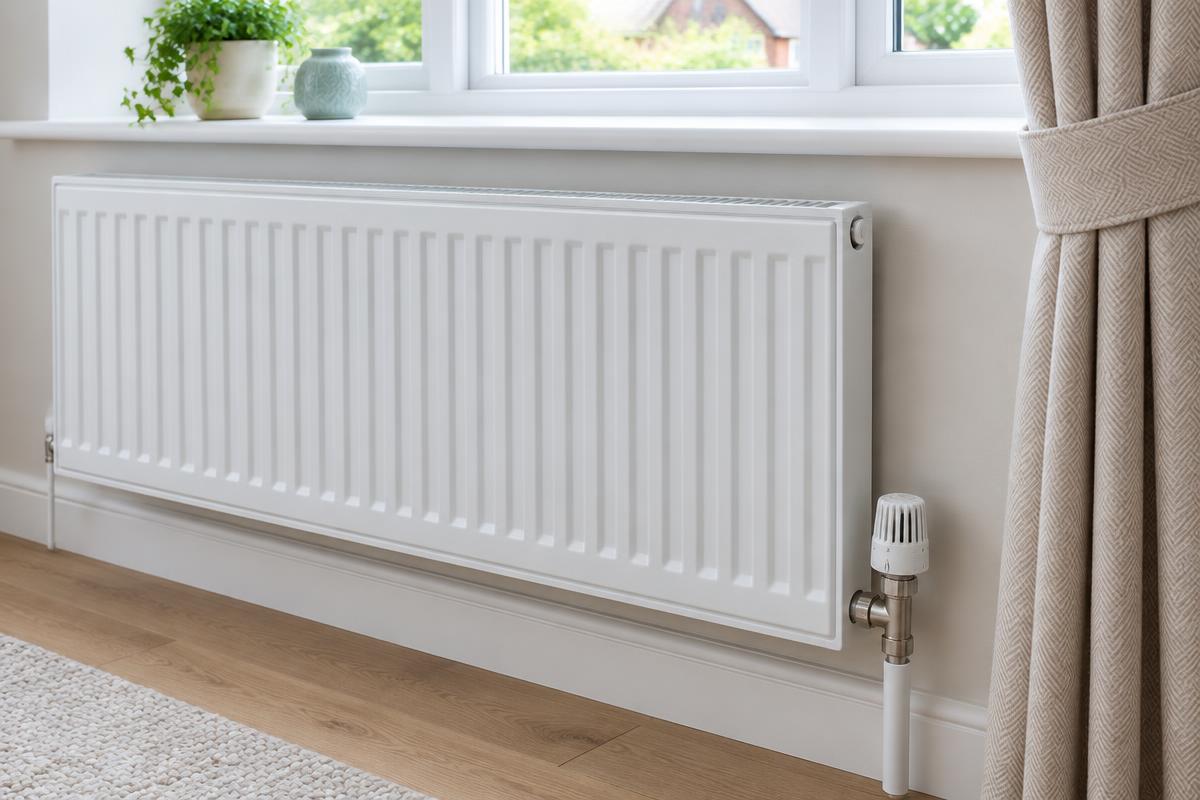
Photos: AI-generated illustrations for CompareDirect, not photographs of a tested heating installation.
Before buying another heater, check how your existing system is being used. Start with the room you spend most time in: is warmth reaching you, are the controls set sensibly, and are cold draughts undoing the benefit? Savings vary by property, system and tariff; none of these steps guarantees a particular bill reduction.
1. Letting the furniture collect the heat
A sofa pressed against a radiator can leave the rest of the room feeling chilly. Give heat a clear route into the room and keep curtains from hanging over the radiator. Avoid draping laundry directly across it; drying indoors also needs appropriate ventilation to manage moisture.
2. Using the thermostat like an accelerator
With conventional central heating, choosing a higher target does not usually warm the room faster. It tells the heating to keep going until that higher temperature is reached. Choose a comfortable setting rather than turning it up sharply and forgetting to turn it back.
3. Following an old heating schedule
Your programmer may still reflect a previous work pattern or the wrong clock time. Review when you need warmth and allow for how slowly your home heats up. Timers set operating hours; the thermostat sets the room target. Heat pumps and other systems may need longer, steadier operation, so follow their instructions rather than applying a gas-boiler routine.
4. Treating colder as automatically better
Cutting energy use must not mean risking your health. Cold-weather guidance advises keeping regularly used rooms at least 18°C where possible, particularly for older people and those with health conditions. Some households need more warmth. If bills are unaffordable, ask your supplier about support instead of enduring unsafe temperatures.
5. Sealing every opening
Draught strips around suitable door and window gaps can help retain warmth. But permanent vents, air bricks and flues are not unwanted leaks: they can be essential for ventilation and appliance safety. Keep them clear, use suitable ventilation when drying clothes, and report persistent damp or mould rather than simply covering it.
6. Changing the wrong boiler control
Radiator flow temperature and stored hot-water temperature are different things. A suitable lower radiator flow setting may improve a condensing boiler's efficiency, but the right approach depends on the installation. Do not copy combi-boiler advice onto a system with a hot-water cylinder. Stored water requires Legionella precautions; ask a qualified heating professional before changing unfamiliar settings, and never open gas components yourself.
A useful first step today: clear one radiator, check the heating clock and read the control instructions. Then compare your actual meter readings over time, remembering that colder weather can increase consumption even when your habits improve.
Sources and further reading
Original reporting by CompareDirect, inspired by the Which? article linked below and checked against independent heating and health guidance.
- Energy Saving Trust: thermostats and heating controls
- Energy Saving Trust: cold-weather energy-saving tips
- Energy Saving Trust: boiler flow temperature
- UKHSA: keeping warm and well in cold weather
- HSE: hot-water systems and Legionella precautions
More help with household energy bills
Source: Which? — topic inspiration
Compare energy deals in the UK.
Written by CompareDirect. Prices and terms change, so check the source and the provider before you buy.