3 quick wins
- Have a recent bill or annual statement to hand so quotes use your real consumption.
- Compare unit rate, standing charge, payment method and exit fees together, not just one line.
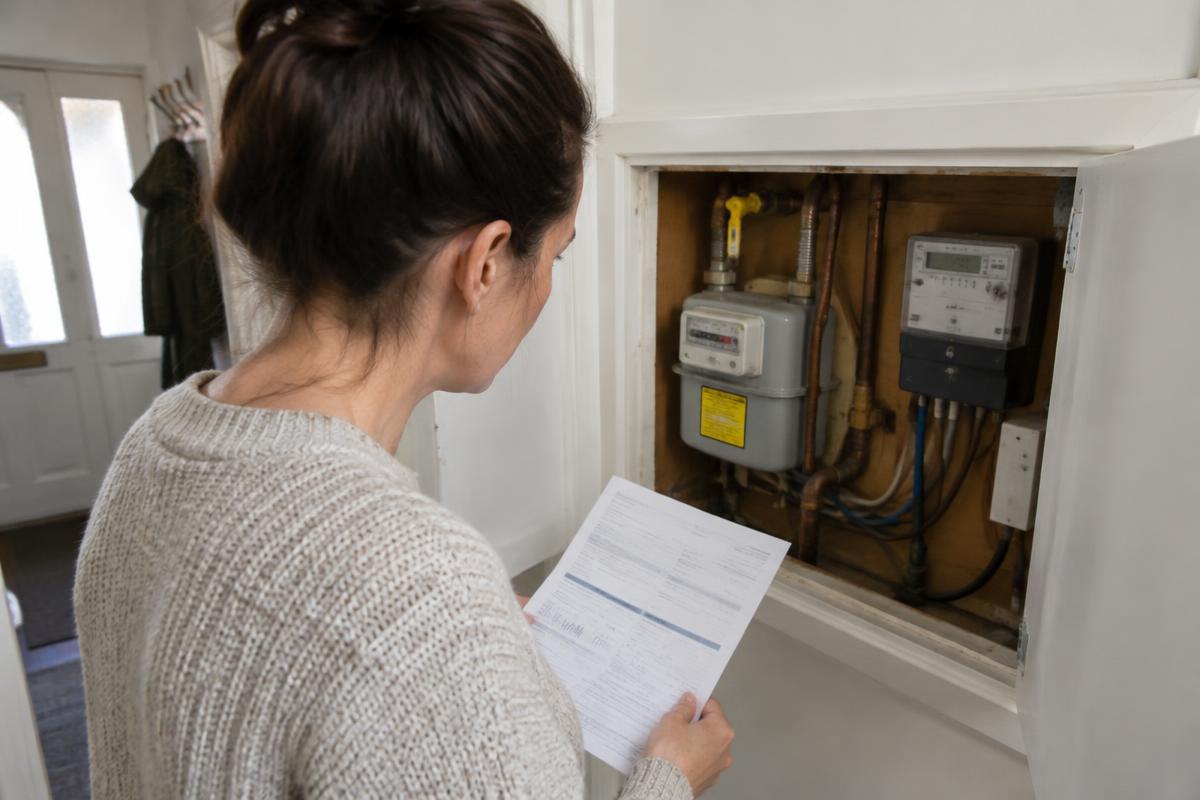
- Take meter readings on the day your new supplier takes over.
What you need before comparing
- Know your annual kWh use for gas and electricity separately; your annual statement or supplier account shows it.
- Record your region, payment method (Direct Debit, prepayment or pay on receipt) and current tariff name and end date.
- Check whether you are in debt to your current supplier or on a prepayment meter: both can limit your switching options, so ask the supplier first.
How the switch actually runs
- Ofgem explains that the new supplier manages the whole switch; you do not need to negotiate with the old one or arrange an engineer visit.
- Your gas and electricity supply is not interrupted during a switch. The physical pipes, wires and meter stay exactly as they are.
- Your old supplier sends a final bill within six weeks of taking over the account. Check it against your meter readings and query anything wrong quickly.
Fixed, variable and the price cap
- A standard variable tariff tracks the Ofgem price cap, which changes periodically and is a limit on unit rates and standing charges, not a cap on your total bill.
- Fixed deals lock unit rates for the term. Compare a fix against your current rate using your own consumption, and check exit fees before signing.
- A price-cap figure quoted in the news is a typical-household illustration. Your bill depends on your own usage, region and meter type.
Avoid the common switching traps
- Check exit fees and any remaining minimum term before moving; rolling off a fix onto the standard variable tariff is usually the most expensive outcome.
- Ignore cashback and gifts until the underlying tariff is competitive. Rewards often have conditions and redemption deadlines.
- Keep confirmation emails, take final meter readings, and check the first new bill carefully against the deal you signed up for.
Mistakes to avoid
- Assuming switching interrupts your supply; it does not.
- Comparing tariffs on unit rate alone while ignoring standing charges and exit fees.
- Fixing for a long term without checking what happens if prices fall.
More helpful guides
- Compare electricity tariffs
- Fixed versus variable tariffs
- Cut gas use at home
- Cut electricity use at home
- All money-saving tips
These are general tips, not financial advice. Always check prices and terms with the provider before you buy.
Sources and review
Written by CompareDirect. Worked examples are illustrative, not live deals or guaranteed savings. Check the relevant supplier, council or adviser for your circumstances.
Content reviewed: . Linked guidance checked; provider prices and personal eligibility are not verified by these examples.