- Free to useNo fees, no hidden costs
- Source-linked informationRates from Ofgem, advice from Citizens Advice and the Energy Saving Trust
- Official figuresRates read from Ofgem's own tables
Free energy tools and calculators
Work out a bill at today's price cap, see what an appliance costs to run and compare fixed and variable tariffs.
Cheap hours
7 a night
The exact times depend on your meter and can shift when the clocks change.
Rule of thumb
40% at night
National Energy Action says use at least this much at night for it to pay.
Typical use
3,400 kWh
Ofgem's medium yearly use for a two-rate electricity meter since July 2026.
Ofgem's split
58% day / 42% night
The usage split Ofgem assumes when it sets the two-rate cap.
Free checker
Is Economy 7 cheaper for you?
Enter the figures from your bill. We compare them with the single-rate price cap in your region. Nothing you type leaves this page.
Single-rate cap, Direct Debit
26.60p per kWh
Standing charge 42.92p a day
Economy 7 cap, Direct Debit
25.08p per kWh blended
Standing charge 42.57p a day. Day and night rates together, at Ofgem's 58% day split
Fill in your day rate, night rate and standing charge to see the answer.
An estimate from your figures, not a quote. Single-rate figures are Ofgem's cap for Direct Debit.
The basics
How Economy 7 works
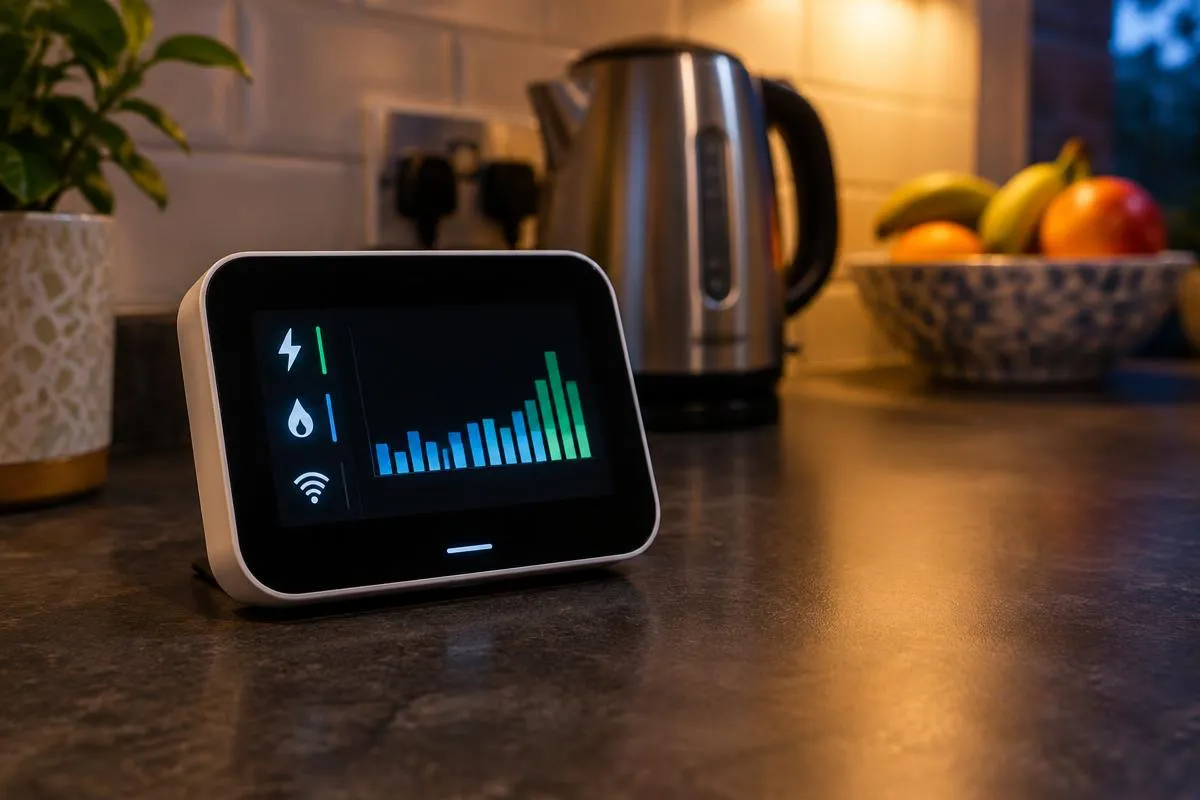
An Economy 7 meter records day and night use separately, on two registers or two readings in a smart meter. Your supplier charges a lower unit rate for the night readings and a higher one for the day.
Night rate
A cheaper unit price for seven hours, usually some time between late evening and early morning. Storage heaters and hot water tanks are built to charge then.
Day rate
A higher unit price for the other 17 hours. It is normally above a single-rate tariff's price, so daytime use costs more than on a standard meter.
One standing charge
You pay one daily standing charge for electricity, much like a single-rate meter.
Find your times
How to find your Economy 7 hours
There are no fixed national times. Every meter is set differently, so check yours before you move any use to the night.
- 1
Look at your bill
An Economy 7 bill shows two readings, often called low and normal, or night and day, with a different price for each.
- 2
Check your meter
Older meters have two rows of numbers. Some electronic meters have a button that cycles between the two rates.
- 3
Ask your supplier for the times
Ask for the exact start and finish of your cheap hours, in winter and in summer. Some meters don't change with the clocks.
- 4
Set your timers
Set storage heaters, immersion heaters, washing machines and car chargers to run inside those hours.
Two readings doesn't always mean two rates
A meter with two registers can be on a single-rate tariff. Confirm which tariff you're on with your supplier before you change your habits.
Make it pay
Getting the most from Economy 7
The more of your electricity you use at night, the more Economy 7 can save. These habits make the biggest difference.
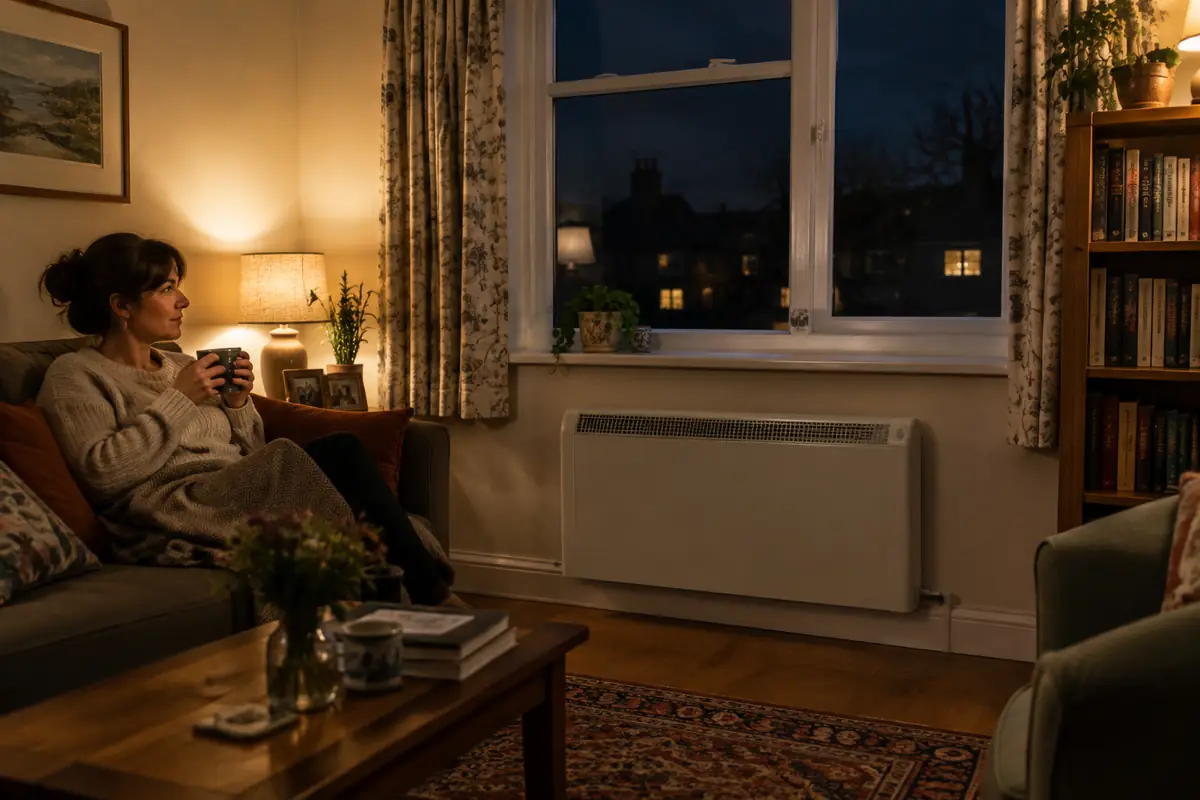
1. Charge storage heaters at night
Storage heaters are designed for night rates. Set the input at night and use the output dial to release heat when you need it.
2. Heat water overnight
Set an immersion heater's timer to the cheap hours so your tank is hot by morning.
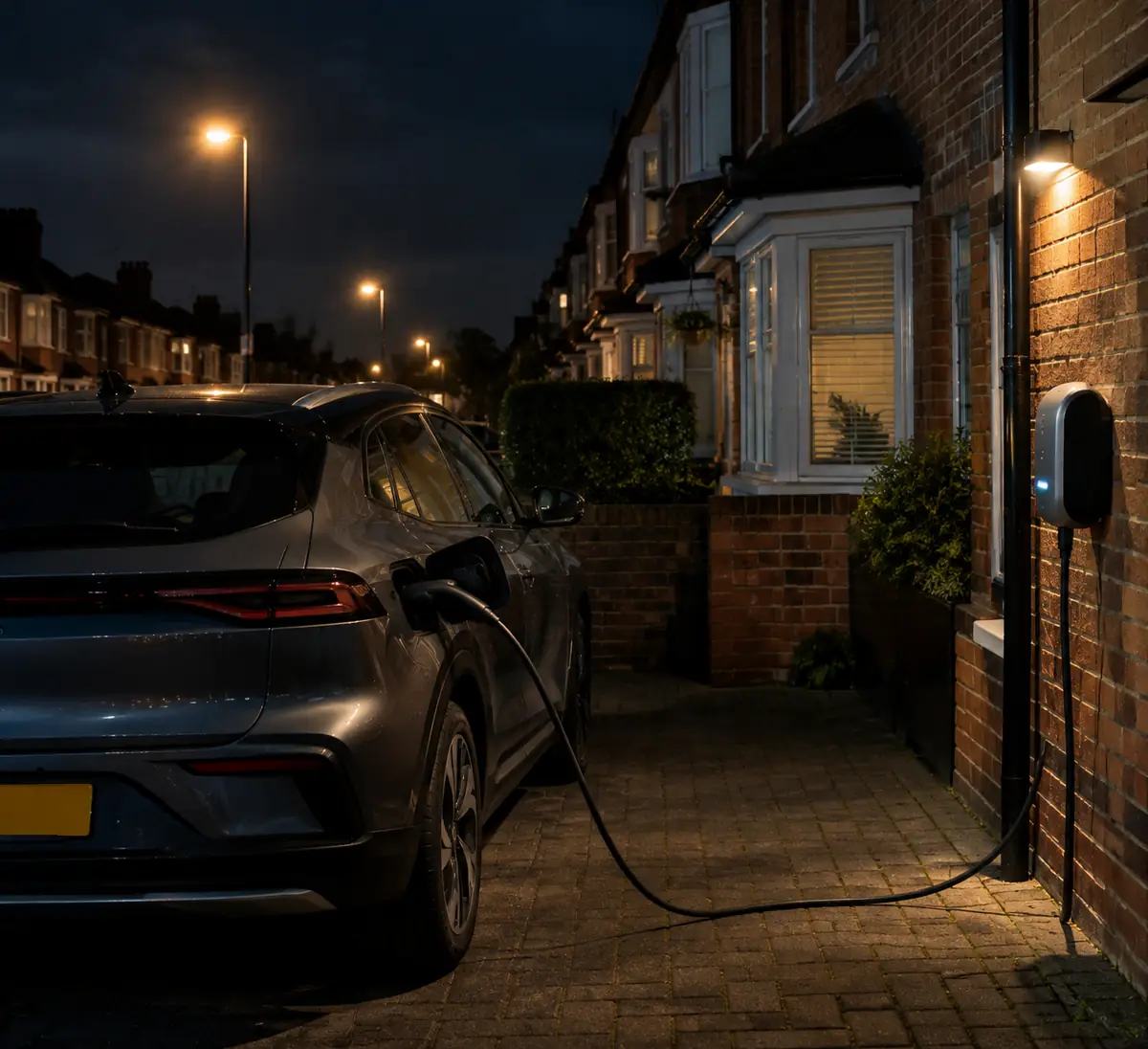
3. Charge an electric car overnight
Plug in at night on a timer. Compare dedicated EV tariffs too: some have longer or cheaper overnight periods.
4. Delay the big appliances
Washing machines, dishwashers and tumble dryers with a delay timer can run in the cheap hours.
Alternatives
Other two-rate and time-of-use tariffs
Economy 7 is the oldest time-of-use tariff, but not the only one. Depending on your meter and habits, one of these may fit better.
Economy 10
Ten cheaper hours, often split across the night, afternoon and evening. Needs a compatible meter.
EV tariffs
Cheap overnight rates aimed at electric car owners, usually needing a smart meter.
Smart time-of-use tariffs
Prices that change through the day, sometimes every half hour, such as Octopus Agile. They need a smart meter.
Single-rate tariffs
One price all day. Often cheaper if you use most of your electricity in the daytime.
Switching away from Economy 7 may mean your meter needs to be changed or reconfigured. Ask the new supplier before you switch.
Economy 7 can cost you more
The day rate is usually higher than a single-rate tariff. If most of your electricity is used in the daytime, perhaps because you work from home or have no storage heating, you could pay more on Economy 7. Use the checker above with the rates on your bill.
Before you decide
Your Economy 7 checklist
Use your latest bill to run through these checks.
- Find your day and night readings for the last year.
- Work out what share of your use was at night.
- Find your day rate, night rate and standing charge.
- Ask your supplier for your exact cheap hours.
- Compare the yearly cost against a single-rate tariff.
- Check what happens to your meter if you switch tariff.
Ofgem caps a blended Economy 7 rate, so your supplier's day and night prices can each sit above or below the figure in the table as long as together they stay within the cap.
Questions
Common questions
What times is Economy 7?
Seven hours, usually at night, but the exact times depend on your meter. Ask your supplier for your start and finish times in winter and summer.
Is Economy 7 worth it?
It usually pays if you use at least 40% of your electricity at night, for example with storage heaters or overnight car charging. Use the checker above with your own rates to be sure.
Is there a price cap for Economy 7?
Yes. Ofgem sets a cap for two-rate meters in each region. It caps the day and night rates together, based on a 58% day and 42% night split, not each rate separately.
Can I switch from Economy 7 to a single rate?
Usually yes. Your supplier may need to reconfigure or replace the meter. Ask first, as some old meters can't be changed remotely.
Do I need a smart meter for Economy 7?
No. Economy 7 works on older two-register meters as well as smart meters. Newer time-of-use tariffs usually need a smart meter.
Does Economy 7 have a separate standing charge?
You pay one electricity standing charge, which is set separately for two-rate meters. It is close to the single-rate charge in most regions.
What is the difference between Economy 7 and Economy 10?
Economy 10 gives ten cheaper hours, often split across the day and night, while Economy 7 gives seven, usually all at night.
See whether another tariff costs less
Compare price cap rates for your region with tariffs from suppliers, ranked by estimated yearly cost.
Compare energy deals
Latest from CompareDirect
Related news
Autumn Budget 2026: what changes for energy bills
The confirmed changes to household energy bills and when they start.
Read more
Heating mistakes that cost you money
Simple ways to keep your home warm without wasting energy.
Read more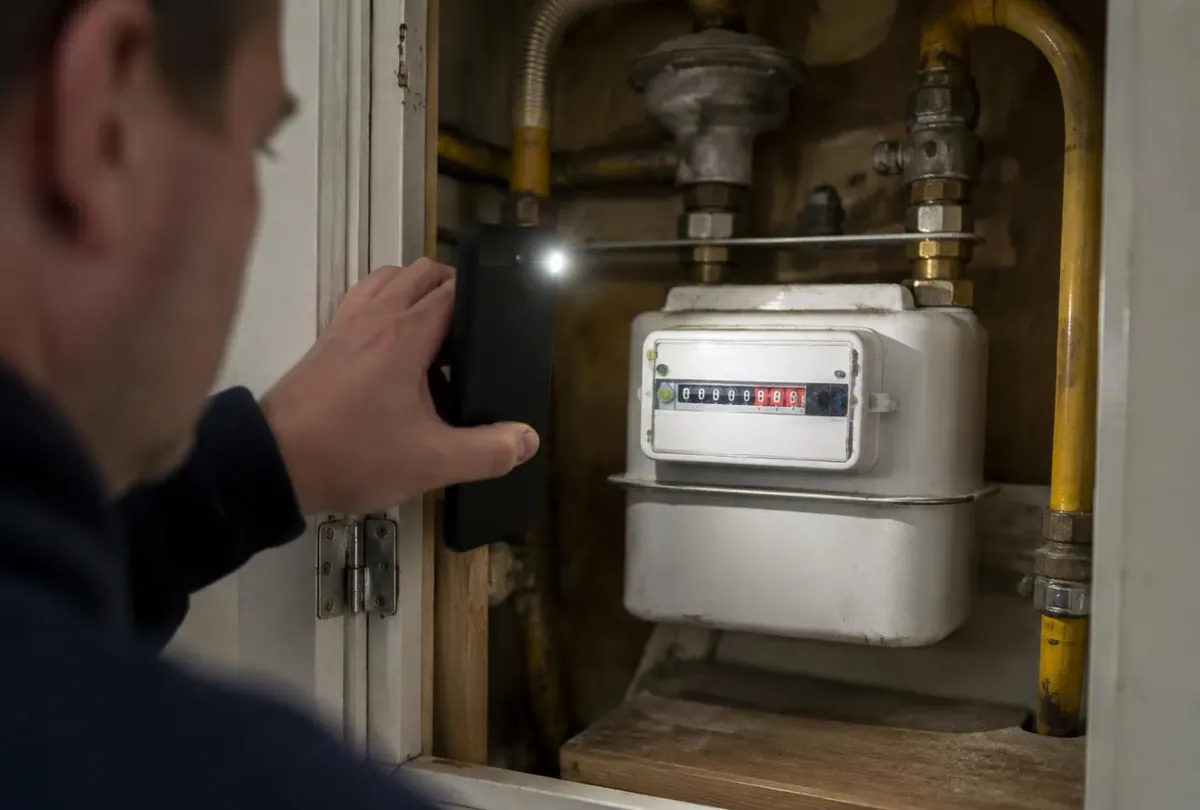
Ofgem's gas allowance change and the price cap
What Ofgem's planned change means for gas bills.
Read moreKeep reading
Guides and tools
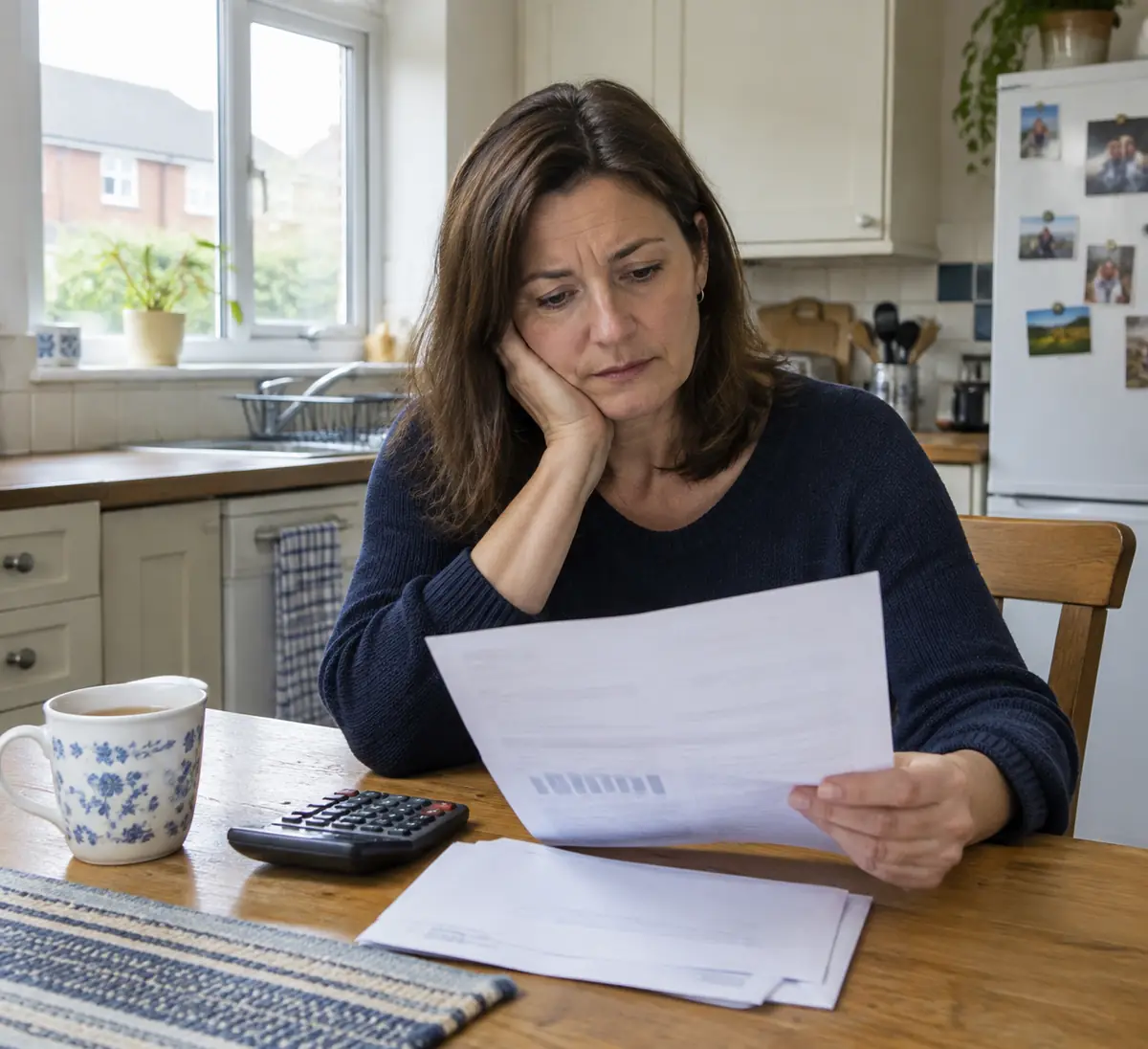
Energy price cap explained
What the cap limits, what it costs this quarter and when it changes.
Read more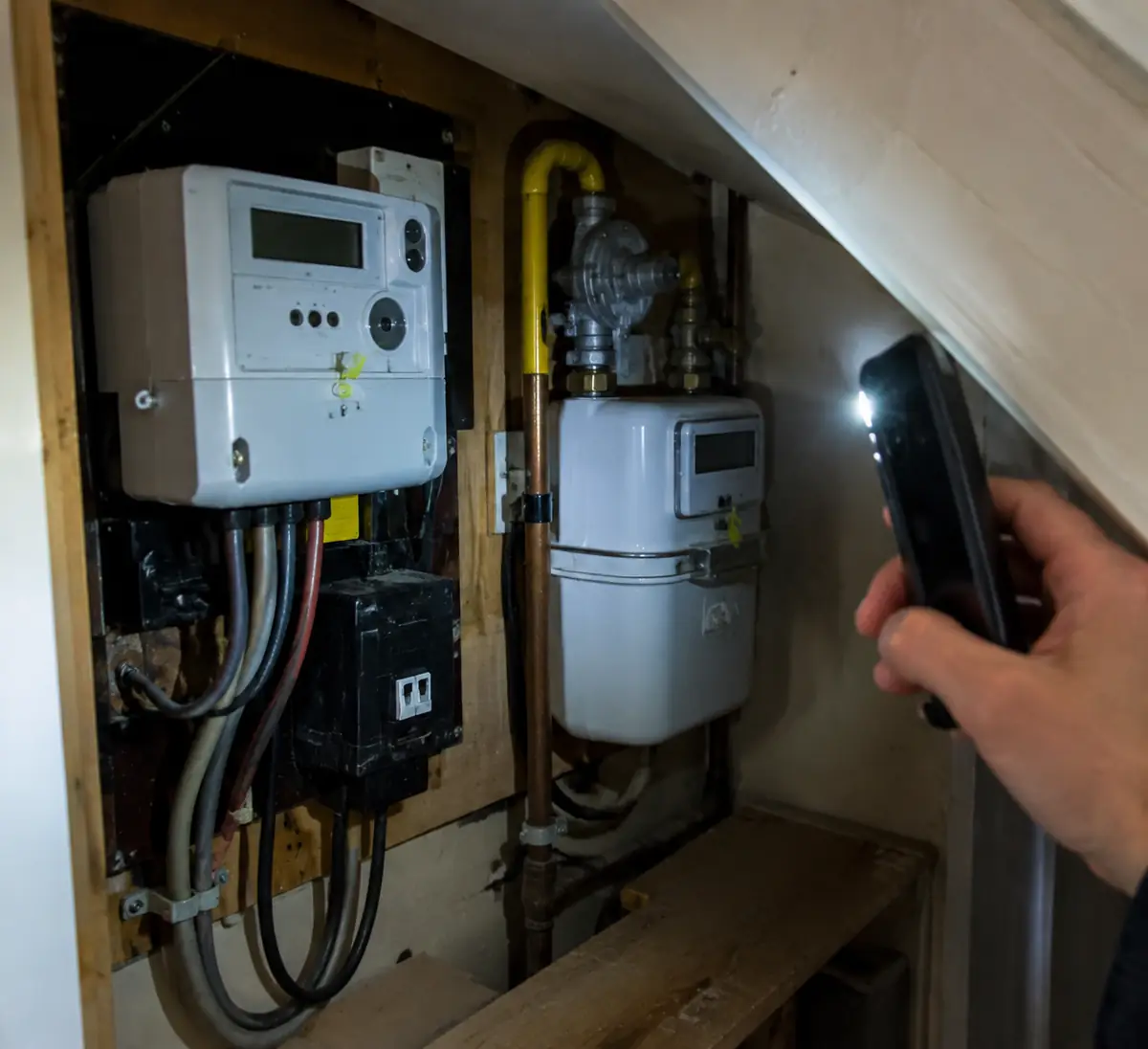
Standing charges by region
Daily charges in all 14 regions for every way of paying.
Read more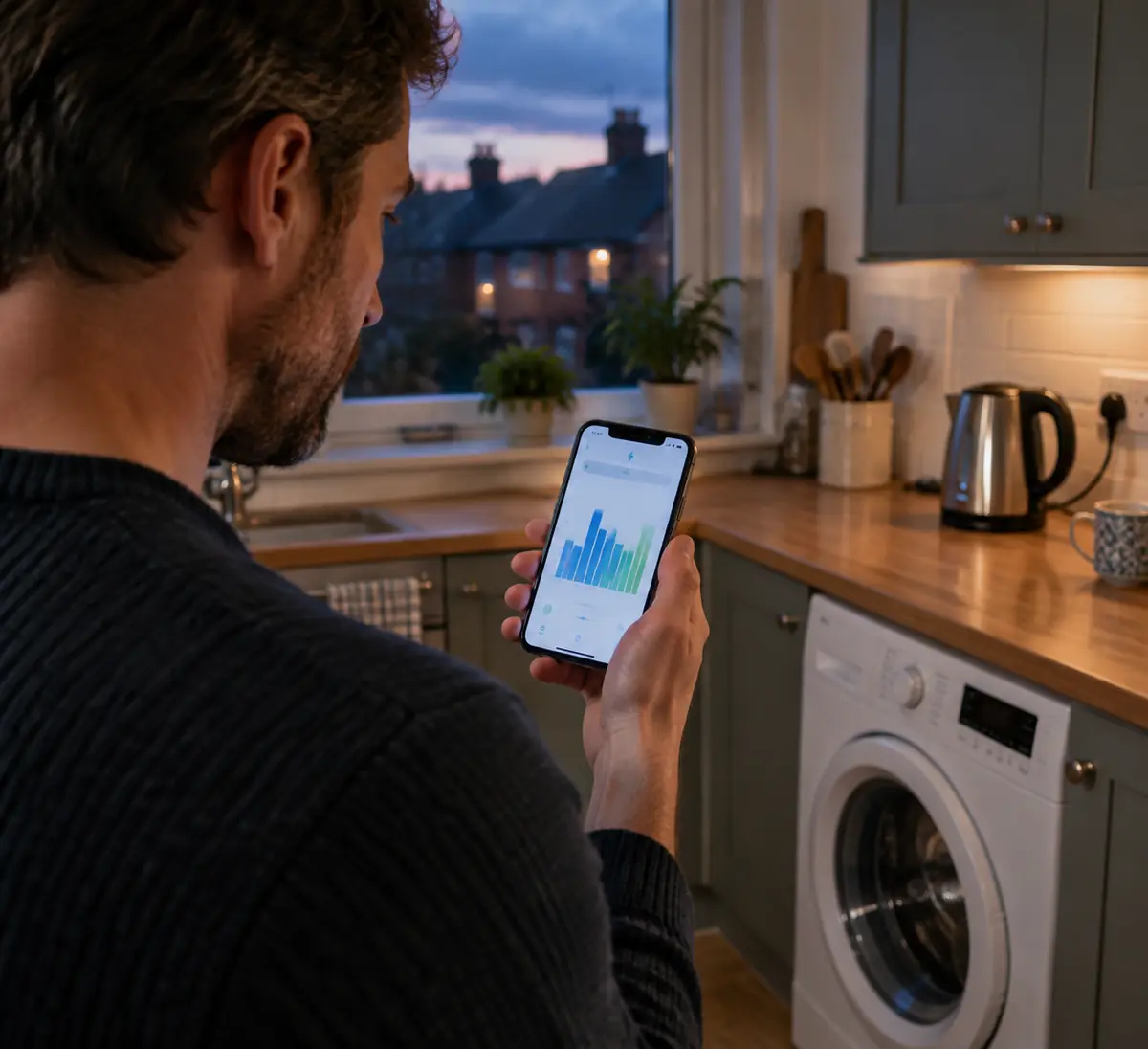
Octopus Agile prices today
Half-hourly prices for your region, with the cheapest times.
Read more
Energy prices by region
Price cap rates and typical bills on a map of Great Britain.
Read moreSources
- Ofgem: energy price cap unit rates and standing charges
- Ofgem: review of typical domestic consumption values (PDF)
- Energy Saving Trust: should I switch to a time of use tariff?
- Citizens Advice: using storage heaters efficiently
- National Energy Action: getting the most from Economy 7
This page is general information, not advice. The price cap limits unit rates and standing charges, not your total bill. Suppliers set their own tariffs and terms, so check the details with your supplier before you switch. Photos are illustrative.