- Free to useNo fees, no hidden costs
- Source-linked informationFacts from GOV.UK, Thatcham Research and the FCA
- Insurer-direct linksGet your price from the insurer
Free car insurance and motoring tools
Check your excess, work out fuel costs, check an MOT and see what paying monthly really costs.
New driver rule
6 points
Reach 6 or more within 2 years of passing and your licence is cancelled.
Driving uninsured
£300 + 6 points
The police fixed penalty. In court it can mean an unlimited fine and a ban.
Pass Plus
6+ hours
Training after your test that may help you get an insurance discount.
Insurance groups
1 to 50
Every car has a group. A lower group usually costs less to insure.
The basics
Why your first policy costs more
Insurers set prices using track records, and a first-time policyholder doesn't have one yet: no claim-free years in your own name and no no-claims discount to take off the price. That's true at 18 or 48. The good news is that your record starts building from your first policy year, and the choices you make now about the car, cover and how you pay make a real difference.
Your experience
How long you've held a full licence, any years as a named driver, and any points, convictions or claims.
Your car
Its insurance group, value, engine size and security, plus any modifications, even cosmetic ones.
Your routine
Yearly mileage, whether you commute, where the car is parked overnight and who else will drive it.
Save money
10 ways to lower your quote
None of these are tricks. Run quotes with and without each change to see which ones make the biggest difference for you.
1. Get quotes before you pick a car
Two similar cars can cost very different amounts to insure. Check the insurance group and run a quote on the make, model and year before you buy, not after.
2. Consider a black box policy
Telematics cover prices you on how you actually drive. Smooth, sensible driving can help, but check for curfews, mileage limits and what happens if your score drops.
3. Take Pass Plus or a similar course
Pass Plus takes at least six hours with an approved instructor. Not every insurer gives a discount for it, so ask before you book if that's your main reason.
4. Add an experienced named driver
Naming a parent or partner with a clean record can sometimes lower the price. You must still be the main driver if you drive the car most.
5. Give a realistic yearly mileage
Estimate from your real routine, such as commuting, visiting family and weekends away. Too low can leave a claim at risk; too high means paying for miles you don't drive.
6. Park off the road if you can
A driveway or garage overnight can help your price. Always give the address where the car is really kept.
7. Pick an excess you could pay
A higher voluntary excess can lower the premium, but it comes on top of the compulsory excess if you claim. Keep the total within what you could pay tomorrow.
8. Shop a few weeks ahead
Prices can be higher when you buy at the last minute. Start comparing a few weeks before you need the cover to start.
9. Describe your job accurately
Your job title can affect your price. Pick the title that genuinely fits what you do. A misleading one could invalidate your cover.
10. Only pay for add-ons you need
You may already have breakdown cover through a bank account or a family policy. There's no need to pay twice for the same thing.

Discounts
Discounts worth asking about
Not every insurer offers these, so ask, and always compare the final price rather than the size of a discount.
Named-driver experience
Years as a named driver usually don't count as a no-claims discount, but some insurers take them into account. Ask the insurer you were named with for a letter confirming your history.
No-claims from abroad
Some insurers accept a no-claims letter from an overseas insurer. Check before you buy and keep the letter, ideally in English.
Pass Plus
Some insurers recognise the certificate. Have it ready when you get quotes.
Black box pricing
Telematics policies can reward careful driving, either at renewal or during the year.
Multi-car
If someone in your household already has a policy, their insurer may offer a multi-car price. Compare it with a separate policy first.
Paying in full
Not a discount as such, but paying once a year avoids the interest that usually comes with monthly instalments.
Know your cover
Types of car insurance
There are three levels of cover. Don't assume the most basic is cheapest: for new drivers, comprehensive cover is sometimes priced close to, or even below, third party only, so compare all three.
Third party only
- Injury to other people
- Damage to other people's cars and property
- Not covered: Your own car
The legal minimum, and not always the cheapest.
Third party, fire and theft
- Everything in third party
- Your car if it's stolen
- Your car if it catches fire
- Not covered: Accident damage to your own car
Can suit a low-value first car.
Comprehensive
- Everything in TPFT
- Repairs to your own car, even if the crash was your fault
- Often windscreen cover
- Not covered: Your excess, and anything the policy excludes
Often worth quoting first. Compare all three.
Ways to get on the road for the first time
Pick the option that matches how you'll really use the car. The wrong set-up can leave you without valid cover.
Your own annual policy
The usual choice for your own car. Your no-claims discount starts building from your first claim-free year.
Named driver on a family policy
Fine if the policyholder genuinely drives the car most. You usually won't build a no-claims discount of your own this way.
Short-term cover
Borrowing a car for a day or a week? Temporary cover in your name keeps any claim off the owner's policy.
Moving on from learner cover
If you practised on a learner policy, check when it ends. Many stop when you pass, so arrange new cover before you drive alone.
Insure the car before you drive it away
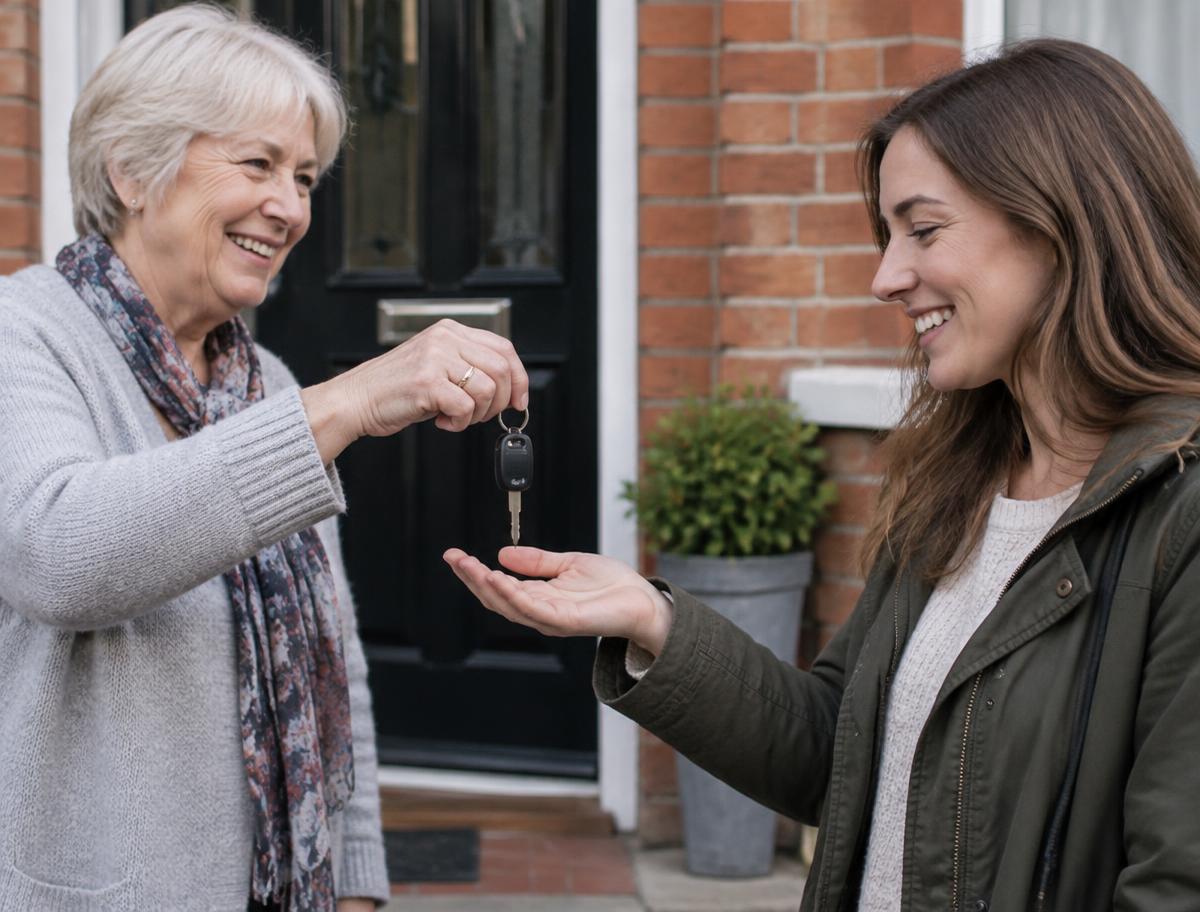
It's illegal to drive without at least third party insurance. If you're caught, the fixed penalty is £300 and 6 penalty points, which for a new driver is enough on its own to have your licence cancelled under the two-year rule. Arrange cover before you collect a car, make sure it's taxed and, if it's three years old or more, has a valid MOT. And never put a parent down as the main driver of a car you drive most. That's called fronting, and it's insurance fraud.
Paying in instalments
Paying monthly: what to check
Spreading the cost of a first policy can make it easier to manage, but monthly payments are usually a credit agreement with interest, so you normally pay more over the year than paying in one go.
- The APR and the total you'll pay over 12 months, not just the monthly figure.
- Whether the first payment is a bigger deposit than the rest.
- What happens if a payment fails. Missed payments can lead to your cover being cancelled.
- Whether a credit check is needed before you can pay monthly.
- Fees for changing your car, adding a driver or cancelling part-way through the year.
If you can afford it, paying annually is usually cheapest. Our monthly vs annual calculator shows the difference. CompareDirect doesn't lend money or arrange finance.

Questions
First-time driver car insurance FAQs
Why is my first car insurance quote so high?
Because you have no claims history in your own name yet, so insurers have less to go on. Your price usually falls as you build claim-free years, as long as your details and record stay similar.
I passed my test later in life. Will I pay new-driver prices?
Insurers look at both your age and how long you've held a full licence. Being older can help, but without a no-claims history your first quotes may still be higher than for drivers your age with years of experience.
Do my years as a named driver count?
They usually don't count as a no-claims discount, but some insurers take them into account. Ask your previous insurer for a letter confirming the years you were covered without a claim.
Can I use a no-claims discount from another country?
Some insurers will accept proof of no claims from an overseas insurer, others won't. Ask before you buy and keep the letter with your policy documents.
I've moved to the UK with a foreign licence. Can I get insured?
Usually, yes. Whether and for how long you can drive on it depends on where it was issued, so check with the GOV.UK tool. Tell your insurer exactly which licence you hold, as some price non-GB licences differently.
What happens if I get points in my first two years?
If you reach 6 or more points within two years of passing, your licence is cancelled and you must pass both tests again. Unexpired points from your provisional licence count too. You must also tell your insurer about any points.
Can a parent be the main driver on my car to save money?
Only if they genuinely drive it more than you. Otherwise it's fronting, which is insurance fraud. Claims can be refused, the policy cancelled and both of you could face prosecution.
Ready to get your first quote?
Have your licence, the date you passed, the car's registration (or make, model and year) and your yearly mileage to hand, then get prices from insurers direct.
Browse insurers
Latest from CompareDirect
Related news
Monthly car insurance: compare the total cost
Why the monthly price isn't the whole story, and what to check first.
Read more
A registration typo led to a conviction
Why every detail on your policy needs to be right.
Read more
Hit by an uninsured driver? What to do
The steps to take and when the MIB can help.
Read more
Record shopping around, but most drivers stay
Why comparing every year pays off.
Read moreKeep reading
Guides and tools
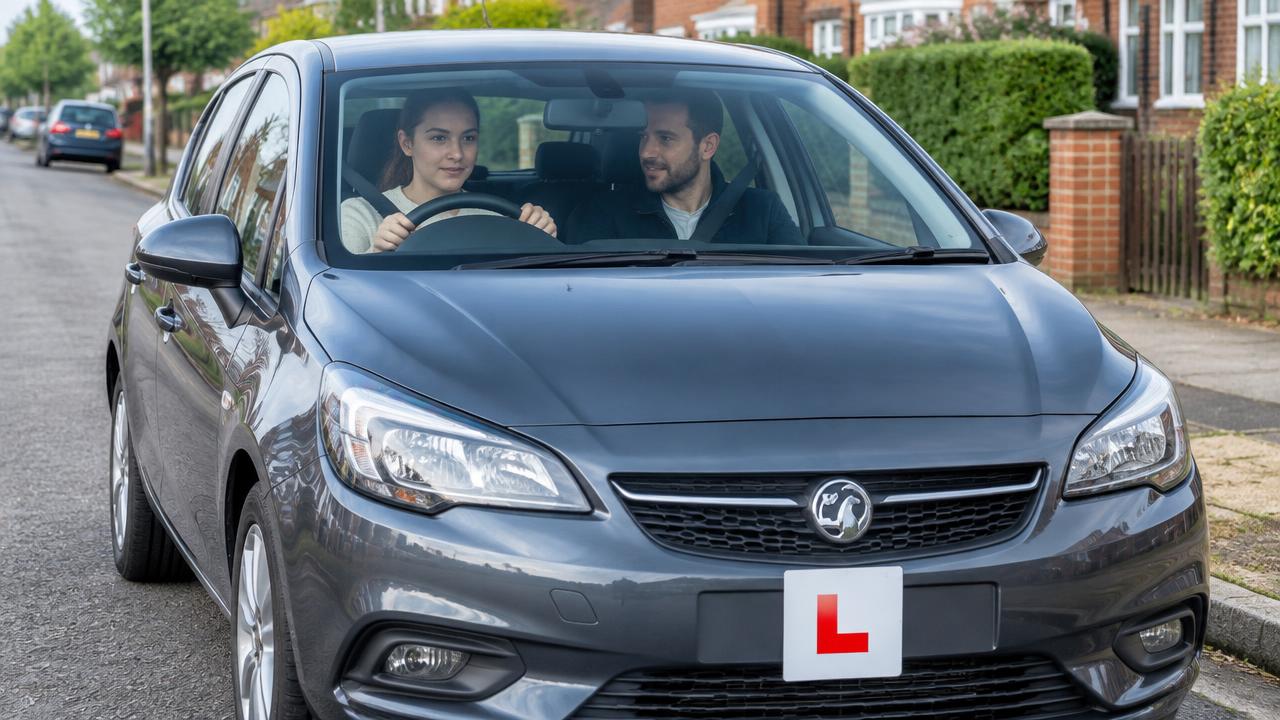
Car insurance for new drivers
The two-year rule, named drivers and fronting explained.
Read more
Black box insurance
How telematics cover works and who it suits.
Read more
Car insurance groups
What the 1 to 50 groups mean before you buy a car.
Read more
Named drivers
When adding someone helps, and when it's fronting.
Read moreSources
- GOV.UK: Penalty points for new drivers
- GOV.UK: Driving without insurance
- GOV.UK: Vehicle insurance
- GOV.UK: Pass Plus
- GOV.UK: Driving in Great Britain on a non-GB licence
- GOV.UK: Check MOT history
- Thatcham Research: Group Rating
- FCA: General insurance pricing practices (PS21/5)
This page is general information, not advice. Insurers set their own prices, discounts and terms, so always read the policy documents before you buy. CompareDirect does not sell or arrange insurance or credit. Photos are illustrative.