
- Free to useNo fees, no hidden costs
- Source-linked informationFacts from GOV.UK, HMRC, DVLA, DVSA and UK law
- Insurer-direct linksGet your price from the insurer
Free car insurance and motoring tools
Check your excess, work out fuel costs, check an MOT and see what paying monthly really costs.
Tell HMRC
Within 14 days
You must tell HMRC a vehicle has arrived in the UK within 14 days, through NOVA.
Vehicle approval
Over 10 years: exempt
Cars over 10 years old don't need vehicle approval. Younger imports usually need IVA.
DVLA registration
£55 fee
Plus vehicle tax. The V5C log book can take up to 6 weeks to arrive.
Driving uninsured
£300 + 6 points
The fixed penalty if you're caught without cover. Courts can fine more and ban you.
The basics
What makes a Japanese import different to insure
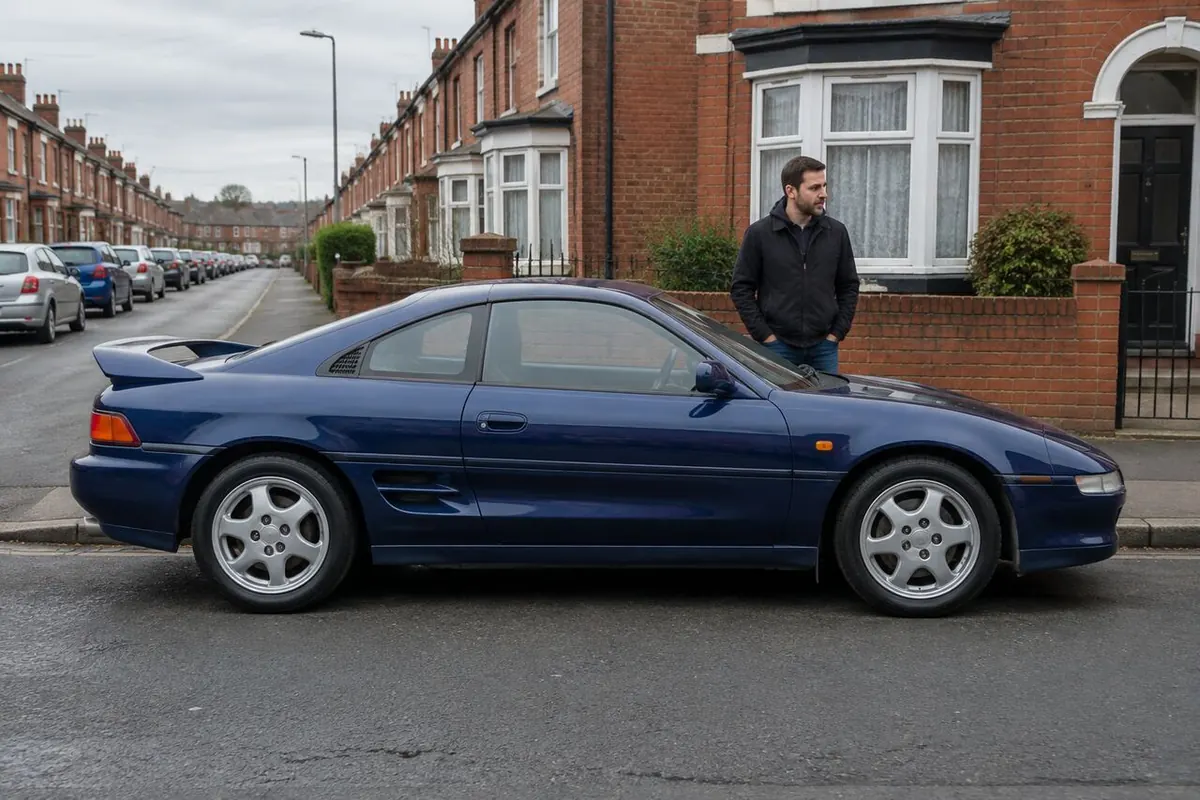
A Japanese import is a car built for sale in Japan, not the UK, then brought here privately or by a specialist dealer. They're often called JDM cars (Japanese domestic market) or grey imports. Insurers treat them differently for three main reasons.
The specification isn't a UK one
Engines, trim levels, safety kit and even model names can differ from cars sold here. Many models were never sold in the UK at all, so a registration lookup can describe the car wrongly or not find it.
Parts and repairs can take longer
Some body panels, lights and trim have to come from Japan. Insurers think about how long a repair could take and what it could cost, and that feeds into the price and the terms.
Value and history need proof
With no UK service history, the insurer relies on what you can show: the export certificate, auction or inspection reports, invoices and photos. Good paperwork makes the car easier to value and insure.
Before you get a quote
What insurers ask about a Japanese import
Quote forms for imports go further than for a UK car. Have these answers ready and you'll get accurate quotes faster, and avoid problems if you ever claim.
Questions insurers ask and what to have ready
| What they ask | Why it matters | What to have ready |
|---|---|---|
| Is the car an import? | It changes how the insurer prices repairs, parts and theft risk | Say yes, and say it came from Japan, even if it now has UK plates |
| The exact model and engine | Japanese grades and engines can differ a lot from similar UK models | The model code, engine code and grade from the export certificate or its translation |
| Modifications | Many imports arrive already modified, and changes affect value and risk | A list of every change from factory spec, including wheels, exhaust, suspension, body kits and engine tuning |
| Mileage | Japanese clocks usually read in kilometres | The reading converted to miles, and a note that the clocks show kilometres |
| The car's value | It decides what you'd be paid if the car is written off or stolen | Purchase invoice, shipping and import costs, and a valuation if you want agreed value cover |
| Where it's kept and its security | Some performance imports are popular with thieves | Your overnight parking (garage, driveway or street) and any tracker or alarm fitted |
| How long it's been in the UK | Shows whether it's registered and its UK history | The date it arrived, the NOVA reference and, once registered, the V5C |
Every insurer asks slightly different questions. If the form doesn't fit your car, call and ask how to describe it rather than picking the nearest UK model.
Getting covered
Seven steps from import to insured
GOV.UK says you can be prosecuted for using an imported car on the road before these steps are done, except to drive to a pre-booked MOT or vehicle approval test. Even that journey needs insurance.
- 1
Check the car isn't seriously damaged
DVLA won't register a car the Japanese records class as a statutory write-off, scrapped or non-repairable, and you won't get VAT, duty or approval fees back. Check before you buy.
- 2
Pay any VAT and customs duty
If the car is shipped, the shipping company or customs agent usually makes the import declaration and pays at the border. You must pay before you can register the car.
- 3
Tell HMRC within 14 days
Make a Notification of Vehicle Arrivals (NOVA) declaration. DVLA needs confirmation that NOVA is processed before it will register the car.
- 4
Arrange insurance before the first journey
Before the car has UK plates, ask insurers whether they'll cover it on its chassis number (VIN). You'll need this to drive to a pre-booked MOT or approval test.
- 5
Get vehicle approval and an MOT
Cars under 10 years old usually need individual vehicle approval (IVA). Cars over 3 years old need MOT evidence to register. Your MOT or IVA tester will tell you if anything needs changing.
- 6
Register and tax the car with DVLA
Use form V55/5 for a used import, pay the £55 fee and vehicle tax, and send the original foreign registration certificate. For a Japanese car this is usually the export certificate.
- 7
Give your insurer the new registration
When the V5C arrives and your plates are made up, update the policy straight away so the car shows on the Motor Insurance Database under its UK registration.
Bought it already registered?
If the car already has UK plates and a V5C, you skip the import steps. You still need to tell the insurer it's a Japanese import and describe its exact specification.

Common imports
Popular kinds of Japanese import and what insurers look at
Japanese imports range from tiny city cars to family people carriers and well-known performance models. Each type raises different questions for an insurer.
Types of Japanese import and the usual insurance points
| Type of car | What's typical | Insurance points to check |
|---|---|---|
| Performance and sports cars | Turbocharged coupes and saloons, often already modified | Declare every modification, check theft security needs, and consider agreed value |
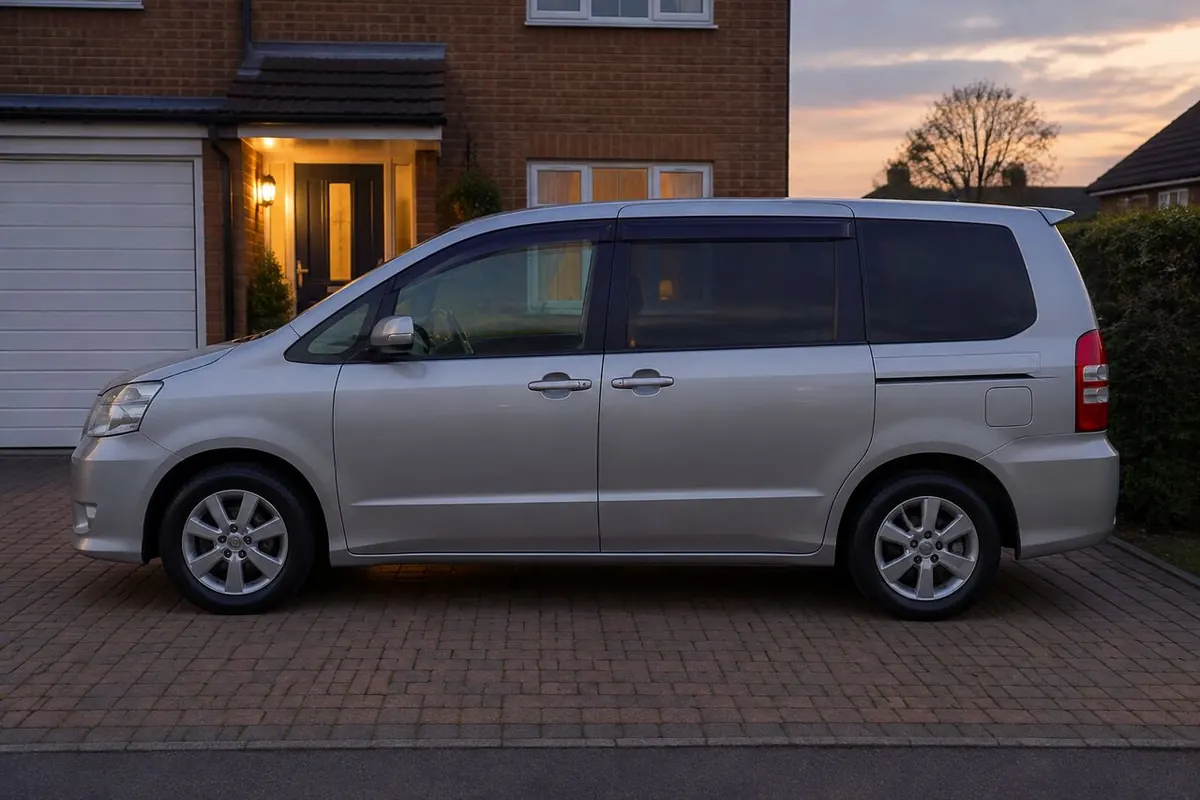
| People carriers and MPVs | Large family vans with sliding doors, often hybrids | Make sure the insurer has the right model, because UK lookups often miss them |
| Kei cars | Very small cars built for Japan's small-car class | Some insurers find them hard to rate, so specialist cover may be easier |
| Japan-only hybrids and electric cars | Models or versions never sold new in the UK | Ask about battery and electrical repairs, and where parts would come from |
| Older and classic imports | Cars from the 1980s and 1990s, often bought as enthusiasts' cars | Limited mileage and agreed value policies can suit them; cars built over 40 years ago may qualify as historic vehicles |
These are general patterns, not rules. Always get a quote for your exact car.
Stay covered
10 tips for insuring a Japanese import
Most problems with import cover come from missing details or assumptions. These habits keep the policy valid and the price fair.
1. Always say it's an import
Even with UK plates, a Japanese import is still an import. Leaving it out can give the insurer grounds to cut or refuse a claim.
2. Describe the exact car
Use the model code, engine and grade, not the closest UK model. If the form can't find it, phone the insurer.
3. List every modification
Wheels, exhaust, suspension, lowering, body kits, tuning and lights all count. Ask the seller what was changed before you bought it.
4. Insure before the MOT drive
The trip to a pre-booked MOT or approval test is allowed before registration, but only if the car is insured.
5. Ask about agreed value
If the car is rare or modified, agreeing its value at the start can avoid an argument over what it's worth after a total loss.
6. Be honest about parking
Say where the car really sleeps. A garage or driveway can help the price, but only if it's true.
7. Keep your paperwork digital
Photograph the export certificate, translation, invoices, NOVA reference and photos of the car. You'll need them for quotes and claims.
8. Join an owners' club
Clubs share advice on parts and repairers, and some insurers ask about club membership. Mention it when you get a quote.
9. Check the repair terms
Ask who repairs the car, where parts come from and whether you get a courtesy car while waiting for parts from Japan.
10. Compare general and specialist insurers
Some mainstream insurers cover popular imports and some don't. Getting quotes from both kinds is the only way to know who's cheapest.

Save money
Ways to keep Japanese import insurance costs down
Imports can cost more to insure than similar UK cars, but not always. These checks help you avoid paying more than you need to.
Get quotes from several types of insurer
Prices for imports vary more than for UK cars. Compare general insurers and specialist import brokers before you decide.
Pick a realistic mileage
If the car is a weekend or summer car, a limited mileage policy can cost less. Don't underestimate: going over can affect cover.
Improve security
A garage, a tracker or an approved alarm can help, especially on performance models. Ask the insurer which devices it recognises.
Think before you modify
Every change must be declared, and some raise the price a lot. Get a quote for the change before you make it.
Choose your excess carefully
A higher voluntary excess can lower the price, but only pick an amount you could afford to pay if you claim.
Pay annually if you can
Paying monthly usually means a credit agreement with interest, so paying in one go normally costs less over the year.
Know your cover
Types of car insurance
A Japanese import still needs one of the three standard levels of cover. Here's what each includes.
Third party only
- Injury to other people
- Damage to other people's cars and property
- Not covered: Damage to your own car, fire or theft
The legal minimum. Rarely a good idea on an import that's hard to replace.
Third party, fire and theft
- Everything in third party
- Your car if it's stolen
- Your car if it catches fire
- Not covered: Accident damage to your own car
Leaves you paying for crash repairs, which can be costly with imported parts.
Comprehensive
- Everything in TPFT
- Repairs to your car, even if the crash was your fault
- Often extras such as windscreen cover
- Not covered: Your excess, and anything the policy excludes
The usual choice for imports, and often priced close to the others.
Extra points for imports
Beyond the cover level, these terms make the biggest difference when an imported car is damaged or stolen.
Agreed value or market value
Market value pays what the insurer thinks the car is worth at the time. Agreed value fixes the amount at the start, which suits rare or modified cars.
Parts and repair times
Ask whether the insurer will source parts from Japan, use second-hand parts, or settle in cash if parts can't be found.
Courtesy car
A courtesy car may only last a set number of days. Check what happens if you're waiting weeks for a part to arrive.
Cover for modifications
Declared modifications may be covered for their value, or only partly. Check the policy wording so you know what's paid back.

Don't leave out the import or the modifications
Under the Consumer Insurance (Disclosure and Representations) Act 2012, you must take reasonable care to answer an insurer's questions accurately. If you say a Japanese import is a UK car, guess at its model or leave out modifications, the insurer can cut a claim, refuse it, or cancel the policy, depending on how careless the answer was. If you're not sure how to describe something, ask the insurer and keep a note of what they said.
Paying in instalments
Paying monthly: what to check
Spreading the cost of import cover monthly usually means a credit agreement with interest, so you normally pay more over the year than paying upfront.
- The APR and the total you'll pay over 12 months, not just the monthly amount.
- Whether the first payment is a larger deposit than the rest.
- What happens if a payment fails. Missed payments can lead to cover being cancelled.
- Whether a credit check is needed before you can pay monthly.
- Who the credit agreement is with: the insurer, the broker or a separate finance company.
If you can afford it, paying annually is usually cheapest. Our monthly vs annual calculator shows the difference. CompareDirect doesn't lend money or arrange finance.
Questions
Japanese import car insurance: FAQs
Is Japanese import car insurance more expensive?
It can be, but not always. Insurers weigh parts availability, repair times, value, modifications and theft risk. A popular, unmodified import can cost about the same as a similar UK car, while a rare or tuned one can cost more. The only way to know is to compare quotes for your exact car.
Can I insure a Japanese import before it's registered in the UK?
Often, yes. Some insurers will cover an unregistered import on its chassis number (VIN). Before registration, GOV.UK only allows you to drive it to a pre-booked MOT or vehicle approval test, and you must be insured for that journey. Update the policy with the UK registration once you have it.
Do I need to tell my insurer my car is a Japanese import?
Yes. If the insurer asks, you must answer accurately, even if the car already has UK plates. Leaving it out can mean a claim is reduced or refused, or the policy is cancelled.
Will mainstream insurers cover a Japanese import?
Some will, especially for popular models, and some won't. Specialist import insurers and brokers cover a wider range. Whoever you use, check they're authorised on the FCA's Financial Services Register.
Does a Japanese import need IVA?
Cars over 10 years old are exempt from vehicle approval. Younger imports usually need individual vehicle approval (IVA) before DVLA will register them. GOV.UK has the full list of exemptions.
Does a Japanese import need an MOT before registration?
If the car is over 3 years old, DVLA needs evidence of a current MOT before it will register it. You can drive to a pre-booked MOT before registration, as long as the car is insured.
What is agreed value cover?
Agreed value means you and the insurer fix the car's value when the policy starts, usually backed by a valuation or photos. If the car is written off or stolen, that's the amount you're paid, rather than the insurer's view of its market value at the time.
My clocks read in kilometres. What mileage do I give?
Convert the reading to miles for the quote form and tell the insurer the clocks show kilometres. Keep the auction or inspection report showing the reading when the car left Japan, so the mileage can be checked.
Ready to compare car insurance?
Have the model code, engine, modifications, value and your chassis number or UK registration ready, then compare quotes for your Japanese import.
Compare car insurance
Latest from CompareDirect
Related news
A registration typo led to a conviction
Why every detail on your policy needs to be right.
Read more
Hit by an uninsured driver? What to do
The steps to take and when the MIB can help.
Read more
Record shopping around, but most drivers stay
Why comparing every year pays off.
Read more
Monthly car insurance: compare the total cost
Why the monthly price isn't the whole story, and what to check first.
Read moreKeep reading
Guides and tools

Imported car insurance
The details insurers need for any imported car.
Read more
Car insurance groups
How groups work, and why many imports have none.
Read more
Car insurance excess
How compulsory and voluntary excess add up.
Read more
MOT and road tax checker
Check a UK registration's MOT history and tax.
Read moreSources
- GOV.UK: importing vehicles into the UK
- GOV.UK: paying VAT and customs duty on an imported vehicle
- GOV.UK: tell HMRC about an imported vehicle (NOVA)
- GOV.UK: registering an imported vehicle
- GOV.UK: new vehicle registrations (V55/5 and MOT evidence)
- GOV.UK: individual vehicle approval (IVA)
- GOV.UK: exemptions from vehicle approval
- GOV.UK: historic (classic) vehicles
- GOV.UK: driving without insurance
- Consumer Insurance (Disclosure and Representations) Act 2012
- FCA: Financial Services Register
This page is general information, not advice. Insurers set their own prices, discounts and terms, so always read the policy documents before you buy. CompareDirect does not sell or arrange insurance or credit. Photos are illustrative.