
1. Read your meter
Type two readings in m³, or the kWh figure from your bill.
2. Add your rates
Use the unit rate and standing charge printed on your bill.
3. See your bill
Get the total, with usage, standing charge and VAT shown separately.
Working from your meter: type the two readings in cubic metres (m³).
The starting rates are Ofgem's cap averages, which already include 5% VAT. Choose "Add 5% VAT" only if the rates you type exclude it.
Total cost
£0.00
- Gas usage cost
- £0.00
- Standing charge
- £0.00
- VAT (none added)
- £0.00
- Gas used in billing period
- 0.00 m³
- Gas used (kWh)
- 0.00 kWh
- Days in billing period
- 0 days
Add the number of days the bill covers to include the standing charge.
An estimate from the figures you type, not a bill or a quote. Your supplier's statement is the figure to rely on.
Why your meter shows m³ but your bill shows kWh
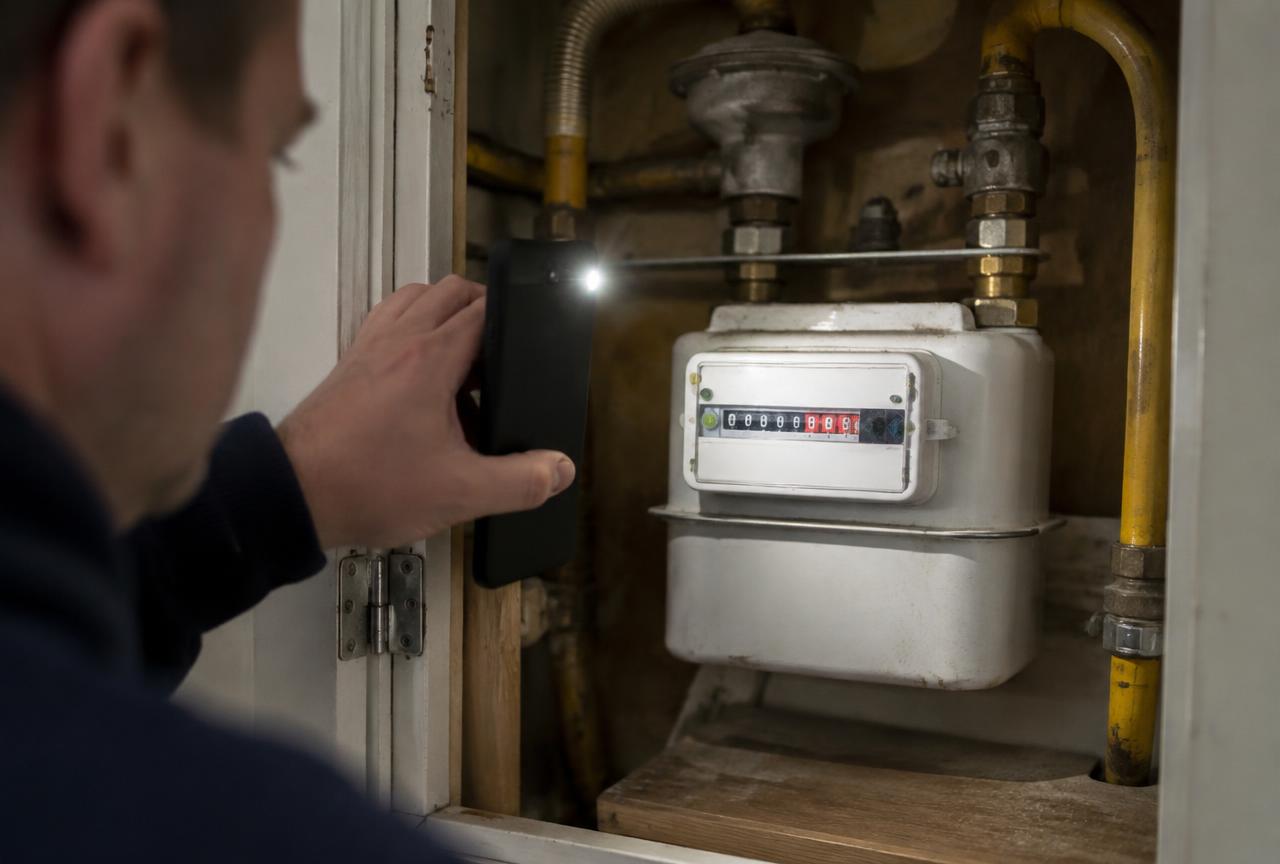
A metric gas meter measures the volume of gas that flows through it in cubic metres. Suppliers charge for the energy in that gas, measured in kilowatt hours, so every bill converts one into the other. The standard UK sum multiplies the cubic metres by a volume correction of 1.02264, which allows for temperature and pressure, then by the calorific value, and divides by 3.6 to turn megajoules into kWh.
kWh = m³ used × 1.02264 × calorific value ÷ 3.6
For example, 100 m³ at a calorific value of 39.5 is about 1,122 kWh.
The calorific value is the energy in each cubic metre of gas. It changes slightly from day to day and region to region, usually between about 37.5 and 43 MJ/m³, and your bill prints the figure it used. This calculator starts at 39.5; type the figure from your own bill for a closer match.
If your meter shows hundreds of cubic feet rather than m³, it is an older imperial meter. Multiply the difference between your two readings by 2.83 to get cubic metres, then enter readings in that unit, or use the kWh figure from your bill instead.
Where to find your unit rate and standing charge
Both are printed on your gas bill and shown in your supplier's app or online account. The unit rate is what you pay for each kWh you use, in pence. The standing charge is a fixed daily amount, also in pence, that you pay whether you use any gas or not. Rates differ by region, meter type and how you pay, so your own bill is the place to look.
Do the figures include VAT?
Domestic gas carries VAT at the reduced rate of 5%. The rates suppliers quote to households, and the Ofgem averages this calculator starts with, already include it, so by default nothing more is added. If you are working from rates shown without VAT, choose "Add 5% VAT" and it is applied to the usage cost and standing charge together.
Using a smart meter
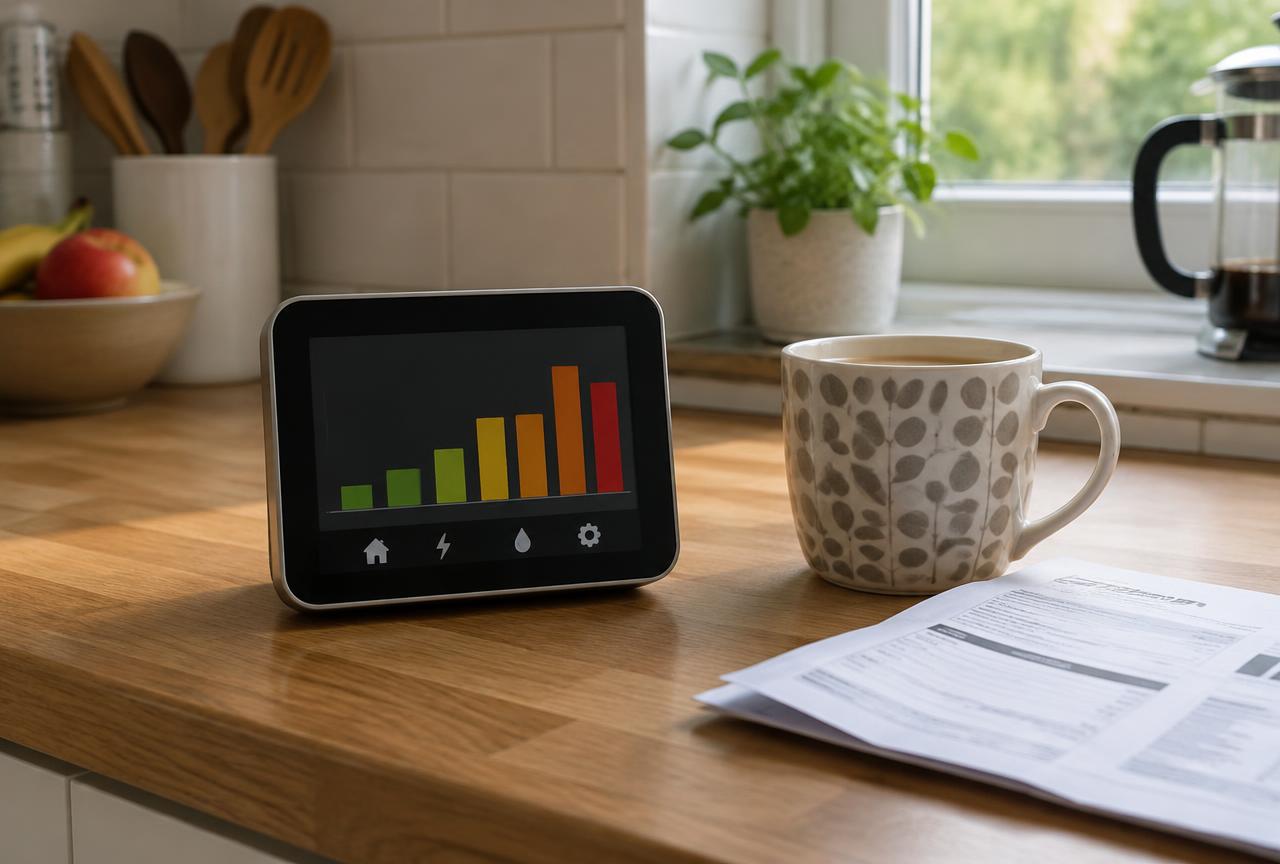
A smart gas meter still records cubic metres at the meter itself, so you can type its readings in m³ as normal. Many in-home displays and supplier apps show kWh instead; if that is what you have, switch the calculator to kWh and type the usage figure straight in.
Why your bill may not match
Estimated readings, a different calorific value, a rate change part-way through the billing period, or a mid-period credit or adjustment can all make your bill differ from this estimate. If your bill looks wrong, take an actual meter reading and send it to your supplier. If that does not settle it, you can complain to the supplier and, after eight weeks, go to the Energy Ombudsman. This estimate is for your own checking and is not evidence in a dispute.
The starting rates are Ofgem's price cap averages for 1 October to 31 December 2026 for a default tariff paid by Direct Debit in England, Scotland and Wales, and the starting usage figures are Ofgem's medium-consumption averages. Ofgem's cap is a maximum per unit, not the price you are promised: your supplier sets your rates, they differ by region and meter type, and prepayment customers pay different rates again. Check the unit rate and standing charge on your own bill before you act on anything here.
Next steps

Found this helpful? Share it with family and friends.
Know someone who might find this useful? Share it with them.