
EV tariffs compared, cheapest rate first
Rates are as each supplier advertises them for Direct Debit customers with a working smart meter. Day rates and standing charges depend on your region, so check them in your quote. The list is ordered by the off-peak rate only.
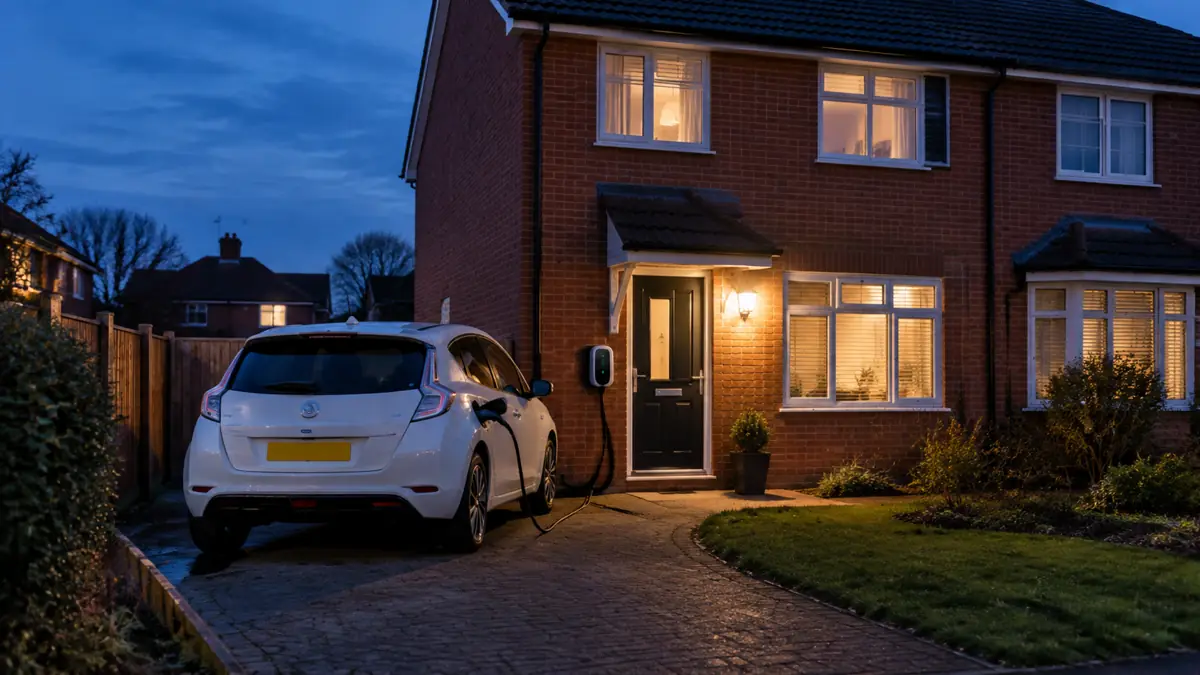
#1 EDF
Pod Point Plug and Power
6.18pa kWh
- Cheap hours
- 11pm to 6am (7 hours)
- Covers
- Whole home
- Exit fee
- Ask before signing
- You need
- Comes bundled with a Pod Point Solo 3S charger
- Price
- Two year fixed price
#2 E.ON Next
Next Drive Smart
6.5pa kWh
- Cheap hours
- Midnight to 6am, plus extra charging slots it schedules
- Covers
- Whole home
- Exit fee
- No exit fees
- You need
- Compatible electric car or charger linked to the app
- Price
- Cheap rate fixed for 12 months
#3 Octopus Energy
Intelligent Octopus Go
From 6.5pa kWh
- Cheap hours
- 11:30pm to 5:30am, plus smart charging slots
- Covers
- Whole home
- Exit fee
- Ask before signing
- You need
- Compatible electric car or charger linked to the app
- Price
- Fixed and flexible versions
#4 EDF
GoElectric Overnight
6.66pa kWh
- Cheap hours
- 11pm to 6am (7 hours)
- Covers
- Whole home
- Exit fee
- Ask before signing
- You need
- Any electric car and any charger
- Price
- Fixed price
#5 So Energy
So EV
7.5pa kWh
- Cheap hours
- Midnight to 5am (5 hours)
- Covers
- Whole home
- Exit fee
- Ask before signing
- You need
- Any electric car and any charger
- Price
- 12 month fixed
#6 Utility Warehouse
EV Double Gold
7.5pa kWh
- Cheap hours
- Midnight to 5am (5 hours)
- Covers
- Whole home
- Exit fee
- No exit fees
- You need
- Three or more Utility Warehouse services in total
- Price
- Variable rate
#7 ScottishPower
EV Optimise (add-on)
8pa kWh
- Cheap hours
- Any time, when it controls the charging
- Covers
- Car charging only
- Exit fee
- Ask before signing
- You need
- Compatible car, home charger and an eligible ScottishPower tariff
- Price
- Add-on to your normal tariff
#8 OVO
Charge Anytime (add-on)
13.33pa kWh
- Cheap hours
- Any time, when it controls the charging
- Covers
- Car charging only
- Exit fee
- Free to remove at any time
- You need
- Compatible car or charger and an OVO electricity supply
- Price
- Add-on to your normal tariff
"Ask before signing" means the supplier doesn't publish a fixed amount on its tariff page. Supplier names are shown for information; we don't earn anything from these tariffs.
Free tool · nothing you type is saved
EV home charging cost calculator
See what a year of charging costs on an EV tariff, and how that compares with the standard price cap rate and public rapid chargers.
Cheap hours at night
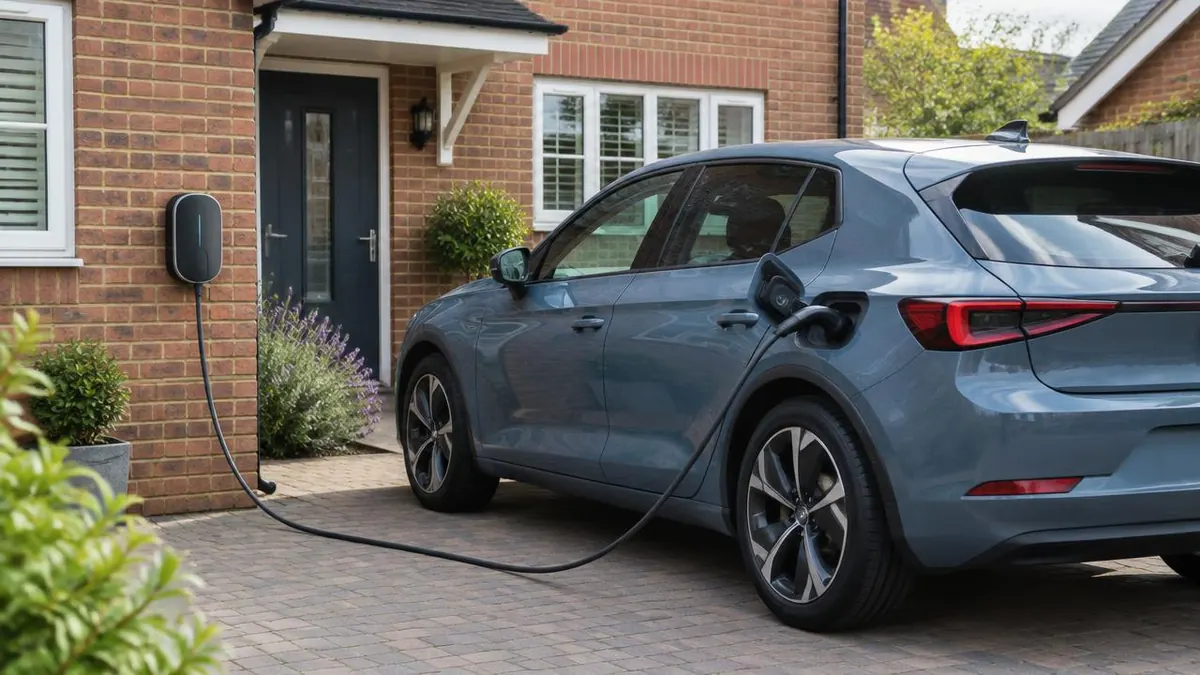
Most EV tariffs give you five to seven cheap hours overnight, when you plug in at home.
Check the day rate
The day rate is often higher than a standard tariff. Ask for it in your region before you switch.
Smart meter needed
Every tariff here needs a smart meter that sends half-hourly readings.
How to pick the right EV tariff
The cheapest off-peak rate is not always the cheapest tariff for you. These three trade-offs decide which one fits your home.
1. Watch out for high daytime rates
Suppliers pay for cheap overnight rates by charging more during the day. On many EV tariffs the day rate is higher than the standard price cap rate, so ask for the day rate in your region and compare it with your bill.
- Best if: you drive over 5,000 miles a year, or you can move washing machines, dishwashers and immersion heaters into the cheap hours.
- Avoid if: you drive under 3,000 miles a year and work from home using a lot of electricity in the day. A standard single-rate tariff may cost less overall.
2. Whole-home two-rate tariffs or car-only add-ons
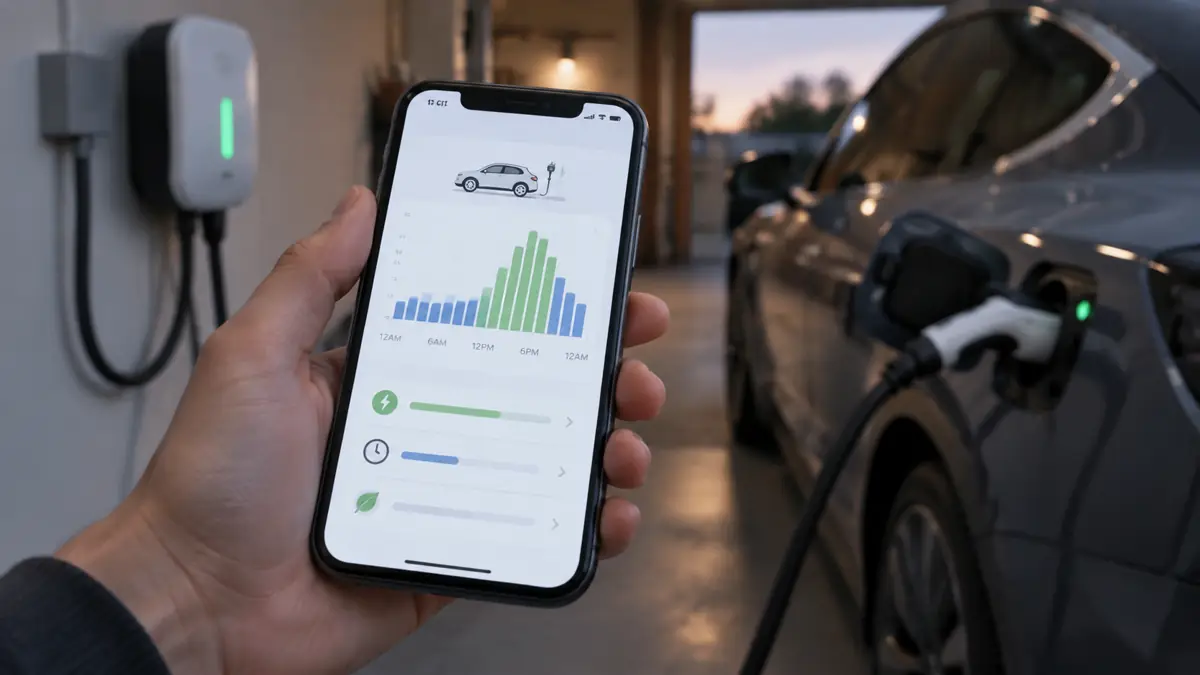
- Two-rate tariffs such as Intelligent Octopus Go, E.ON Next Drive Smart and EDF GoElectric Overnight lower the rate for your whole home in the cheap hours. With a home battery, you can fill it overnight at the cheap rate and use it during the day.
- Add-ons such as OVO Charge Anytime and ScottishPower EV Optimise give you a cheaper rate for car charging whenever the supplier controls it, day or night. The rest of your home stays on your normal tariff.
3. Check your car or charger works with it
The lowest rates from Octopus and E.ON Next need your car or home charger to connect to the supplier's app, so it can choose when to charge. Each supplier keeps a list of the cars and chargers it supports. If yours isn't on the list, a simpler two-rate tariff that works with any car and charger, such as EDF GoElectric Overnight or So EV, may suit you better.
Ask for the off-peak rate, the day rate, the standing charge and any exit fee for your address. Compare the total with your current bill, not just the night rate.
Home charging or public rapid chargers
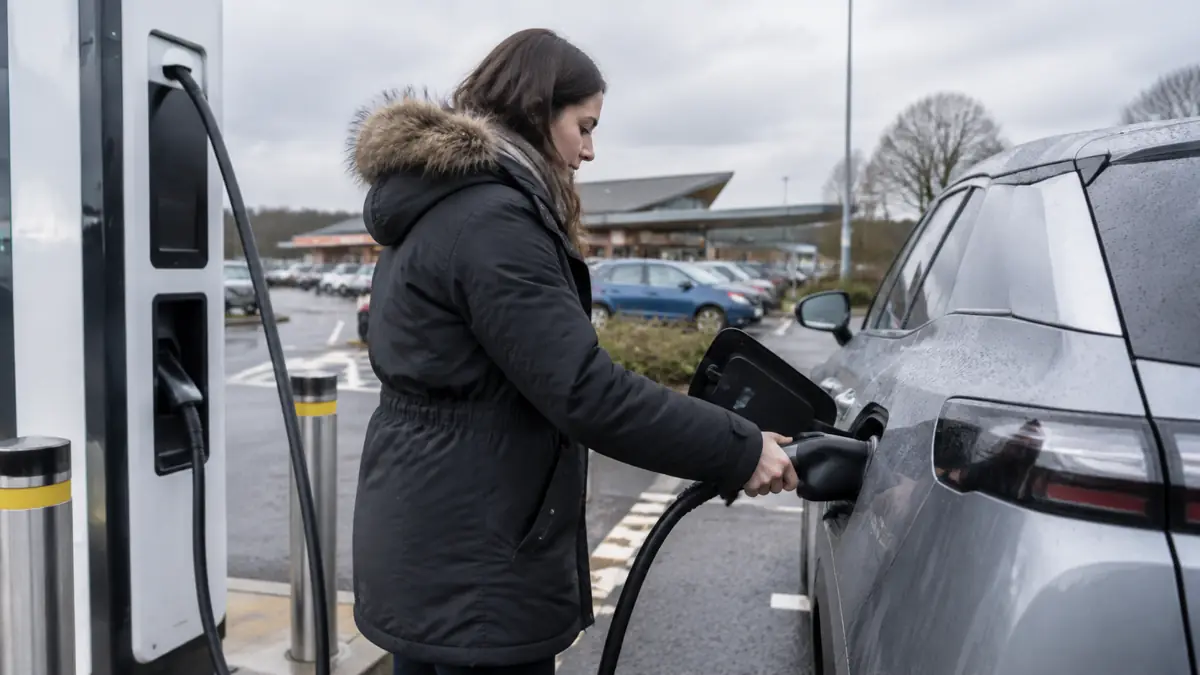
Public rapid and ultra rapid chargers are useful on long journeys, but they cost much more. Zapmap's average pay as you go price for rapid chargers was 82p a kWh in October 2026, many times the cheapest EV tariff rates. If you can charge at home overnight, most of your charging can be done at the cheap rate.
Common questions about EV tariffs
Do I need a smart meter to get an EV tariff?
Yes. Every tariff on this page needs a working smart meter that sends half-hourly readings, so your supplier can bill the cheap overnight hours separately from the day.
Does the cheap overnight EV rate apply to my whole house?
On two-rate EV tariffs such as Intelligent Octopus Go, E.ON Next Drive Smart and EDF GoElectric Overnight, the cheap rate covers everything your home uses in the cheap hours. On add-ons such as OVO Charge Anytime and ScottishPower EV Optimise, only the electricity that charges your car is discounted.
Can I get an EV tariff if I don't own an electric car yet?
Usually not. Smart EV tariffs only start once your car or charger is linked to the supplier's app, and the others are sold to electric car drivers. Check the supplier's eligibility rules before you apply.
Are EV tariffs covered by the Ofgem price cap?
The price cap only covers standard variable tariffs. Fixed EV tariffs are not capped. Add-ons sit on top of your normal tariff, so whether that tariff is capped depends on which one you are on. Suppliers must still show you the unit rates, standing charge and any exit fee before you sign up.
What is the daytime rate on an EV tariff?
It depends on your region and the supplier sets it, so ask for it in your quote. On many EV tariffs the day rate is higher than a standard tariff, which is how the cheap night rate is paid for.
How much does it cost to charge an electric car at home?
Divide your yearly miles by how many miles your car does per kWh, then multiply by your rate. 8,000 miles in a car doing 3.5 miles per kWh needs about 2,286 kWh, which is about £149 a year at 6.5p. Use the calculator above for your own figures.
Insuring an electric car?
Electric cars can cost more to insure because of battery and repair costs. Compare cover before you renew.
Sources
- EDF: Pod Point Plug and Power
- EDF: EV tariffs
- E.ON Next: Next Drive Smart
- Octopus Energy: Intelligent Octopus Go
- So Energy: EV home charging
- Utility Warehouse: EV tariffs
- ScottishPower: EV Optimise
- OVO: Charge Anytime plan details
- Zapmap: EV charging price index
- Ofgem: energy price cap explained
This page is general information, not advice. Tariff rates come from each supplier's own page and change often, so get a quote at your address before you switch. Northern Ireland is not covered by the Ofgem price cap. Photos are illustrative.
Next steps

See all energy tools or compare electric and petrol running costs.
Found this helpful? Share it with family and friends.
Know someone who might find this useful? Share it with them.