
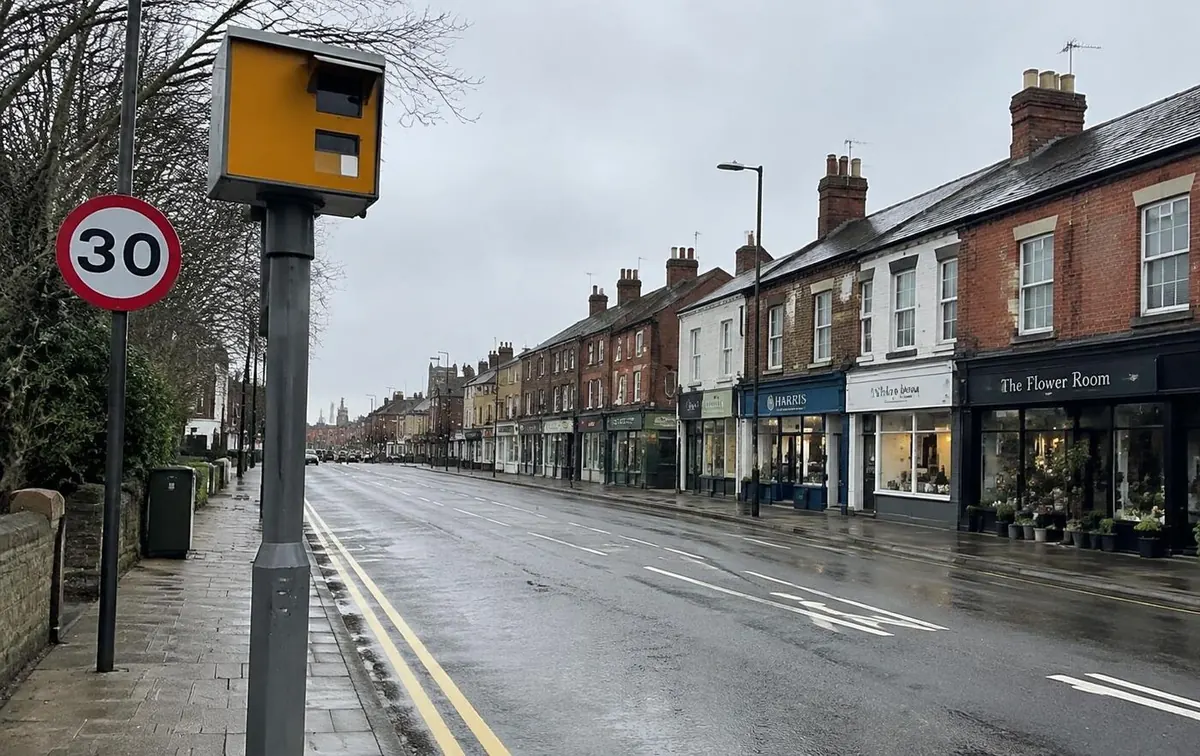
- Free to useNo fees, no hidden costs
- Source-linked informationRules from GOV.UK and the Sentencing Council
- Insurer-direct linksGet your price from the insurer
Free car insurance and motoring tools
Check your excess, work out fuel costs, check an MOT and see what paying monthly really costs.
Minimum penalty
£100 + 3 points
A fixed penalty, unless the police offer a speed awareness course.
Maximum court fine
£1,000
Or £2,500 if you were speeding on a motorway.
Court fines
25% to 175%
Of your weekly take-home pay, depending on how fast you were going.
Points that can cost your licence
12 in 3 years
New drivers lose their licence at 6 points within 2 years of passing.
Speeding fine calculator
England and Wales court guideline. Nothing you type is saved or sent anywhere.
Band B speeding offence
If your case goes to court, the guideline starting point is
£507.69
Usual range £380.77 to £634.61.
- Points or ban
- 4 to 6 points, or a 7 to 28 day ban
- Weekly income used
- £507.69Your take-home pay as a weekly figure
An estimate from the Sentencing Council guideline for England and Wales, not legal advice. Magistrates can go higher or lower for aggravating or mitigating factors, and add a victim surcharge and prosecution costs. Scotland and Northern Ireland use different rules.
The basics
How speeding fines are worked out
Most drivers caught a little over the limit are offered a £100 fixed penalty and 3 points, or a speed awareness course. If your case goes to court, magistrates in England and Wales follow the Sentencing Council guideline, which works out the fine in three stages.
1. Your speed sets the band
The guideline compares your recorded speed with the limit and puts the offence in band A, B or C. For example, in a 30 mph zone, 31 to 40 mph is band A, 41 to 50 mph is band B and 51 mph or more is band C.
2. Your weekly income sets the amount
Each band is a percentage of your 'relevant weekly income': your take-home pay after tax and National Insurance. If you're on benefits or take home £120 a week or less, the court uses £120. With no information, it assumes £440.
3. The court adjusts the figure
Magistrates move up or down within the band for things like previous convictions, bad weather, heavy traffic or a clean record. Pleading guilty at the first chance takes up to a third off. The legal maximum is £1,000, or £2,500 on a motorway.
Speeding fine bands
Speeding fine bands, points and bans
Find your speed limit in the first table to see your band, then read across the second table to see the fine range and the points or ban the guideline suggests. The third table shows what the starting point works out at for different take-home pay.
Which band is your speed in?
| Speed limit | Band A | Band B | Band C |
|---|---|---|---|
| 20 mph | 21 to 30 mph | 31 to 40 mph | 41 mph and above |
| 30 mph | 31 to 40 mph | 41 to 50 mph | 51 mph and above |
| 40 mph | 41 to 55 mph | 56 to 65 mph | 66 mph and above |
| 50 mph | 51 to 65 mph | 66 to 75 mph | 76 mph and above |
| 60 mph | 61 to 80 mph | 81 to 90 mph | 91 mph and above |
| 70 mph | 71 to 90 mph | 91 to 100 mph | 101 mph and above |
Recorded speed in miles per hour. Source: Sentencing Council speeding guideline for England and Wales.
What each band means
| Band | Starting point | Fine range | Points or ban |
|---|---|---|---|
| Band A | 50% of weekly income | 25% to 75% | 3 points |
| Band B | 100% of weekly income | 75% to 125% | 4 to 6 points, or a 7 to 28 day ban |
| Band C | 150% of weekly income | 125% to 175% | 6 points, or a 7 to 56 day ban |
Where someone is driving grossly over the limit, the court should consider a ban longer than 56 days.
Example starting-point fines by weekly take-home pay
| Weekly take-home pay | Band A (50%) | Band B (100%) | Band C (150%) |
|---|---|---|---|
| £120 or less, or on benefits | £60.00 | £120.00 | £180.00 |
| £300 | £150.00 | £300.00 | £450.00 |
| £500 | £250.00 | £500.00 | £750.00 |
| £750 | £375.00 | £750.00 | £1,000.00 |
| £1,000 | £500.00 | £1,000.00 | £1,000.00 |
Court starting points on an ordinary road, before any reduction for a guilty plea. The maximum is £1,000 (£2,500 on a motorway), which is why some figures stop at £1,000. Courts also add a victim surcharge and may order prosecution costs.
After you're caught
What happens after you're caught speeding
The process depends on whether a camera or a police officer caught you. Here's what GOV.UK says happens, in order.
- 1
A notice arrives within 14 days
If a camera caught your car, the registered keeper is sent a Notice of Intended Prosecution and a Section 172 notice within 14 days. If police stop you, they can give a verbal warning, give or send you a fixed penalty, or send you to court.
- 2
Name the driver within 28 days
You must return the Section 172 notice within 28 days saying who was driving. Ignoring it can lead to court, and failing to give the driver's details carries 6 points of its own (code MS90).
- 3
You're offered a fixed penalty, a course or court
Once the driver is named, you'll be sent a fixed penalty notice or a letter telling you to go to court. Where the police decide it's appropriate, you may be offered a speed awareness course instead.
- 4
Plead guilty: £100 and 3 points
Accepting a fixed penalty means a £100 fine and 3 points. In England and Wales you can pay online through the official Home Office service, or follow the payment details on the notice.
- 5
Plead not guilty: the case goes to court
If the court finds you guilty, you can be fined more and get more points than a fixed penalty. The fine depends on your speed band and income, and you could be banned.
- 6
The endorsement goes on your record
A speeding endorsement stays on your driving record for 4 years from the offence date (from conviction if you're banned). Insurers can find out about it at any time in those 4 years.

Penalty points
Speeding codes, points and speed limits
Every speeding conviction goes on your driving record with a code. These tables show the codes, how long points matter and the national limits you're expected to know.
Speeding endorsement codes
| Code | Offence | Penalty points |
|---|---|---|
| SP10 | Exceeding goods vehicle speed limits | 3 to 6 |
| SP20 | Exceeding speed limit for type of vehicle (not goods or passenger vehicles) | 3 to 6 |
| SP30 | Exceeding statutory speed limit on a public road | 3 to 6 |
| SP40 | Exceeding passenger vehicle speed limit | 3 to 6 |
| SP50 | Exceeding speed limit on a motorway | 3 to 6 |
Source: GOV.UK endorsement codes and penalty points.
How points affect your licence
| Rule | What it means for you |
|---|---|
| How long it stays on your record | 4 years from the date of the offence, or from conviction if you were banned |
| How long it counts towards a ban | The first 3 years of a 4-year endorsement |
| Who can see it | Insurers and employers may find out at any time during the 4 years |
| 12 or more points within 3 years | You can be disqualified from driving |
| New drivers: 6 or more points within 2 years of passing | Your licence is cancelled and you must pass the theory and practical tests again |
| Points on a provisional licence | Carried over to your full licence when you pass |
Source: GOV.UK penalty points (endorsements). Northern Ireland has its own rules.
National speed limits for cars
| Type of road | Car or motorcycle | Car towing a caravan or trailer |
|---|---|---|
| Built-up area with street lights | 30 mph (20 mph in Wales) | 30 mph (20 mph in Wales) |
| Single carriageway | 60 mph | 50 mph |
| Dual carriageway | 70 mph | 60 mph |
| Motorway | 70 mph | 60 mph |
Unless signs show otherwise. Vans, buses and lorries have lower limits on many roads. Source: GOV.UK speed limits.
Stay legal
8 ways to avoid speeding fines and points
Most speeding fines come from drivers who didn't realise the limit had changed. These habits make that much less likely.
1. Assume 30 under street lights
On a road with street lights and no signs, the limit is usually 30 mph in England, Scotland and Northern Ireland, and 20 mph in Wales.
2. Obey gantry and roadworks limits
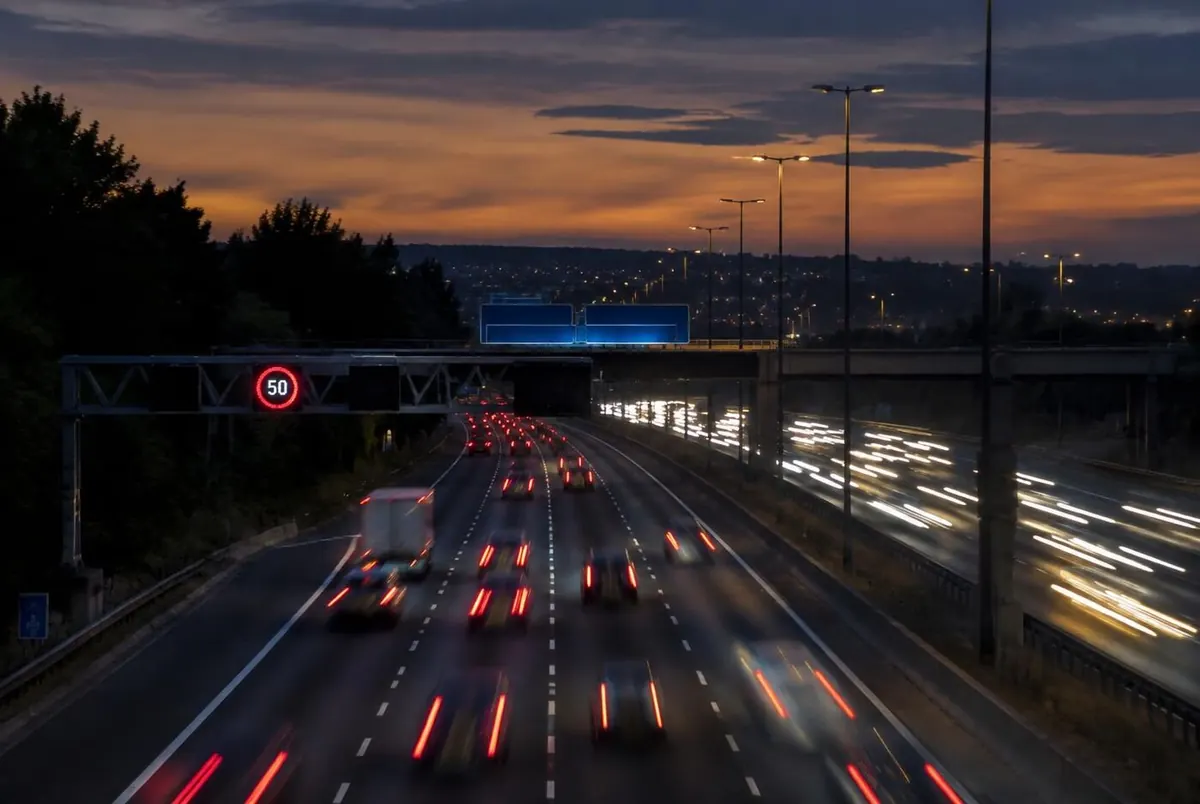
Variable limits shown in a red ring on motorway gantries, and temporary limits through roadworks, are legal limits just like fixed signs.
3. Turn on speed limit alerts
Most sat navs, phone map apps and newer cars can show the current limit and warn you when you go over it. Set it up before you set off.
4. Use cruise control or a limiter
A speed limiter or cruise control set to the limit stops your speed creeping up on long, quiet stretches and steep hills.
5. Leave more time for the journey
Running late is one of the easiest ways to end up over the limit. Leaving ten minutes earlier takes the pressure off.
6. Check limits when towing or driving a van
Towing a caravan or trailer, or driving many vans, means lower limits on single and dual carriageways and motorways than in a car.
7. Take a speed awareness course if offered
If the police offer one, a course means no points on your licence. You can't go on another for 3 years, so treat it as a warning.
8. Never take points for someone else
Naming the wrong driver to dodge points is a serious crime. Whoever was driving must be named on the Section 172 notice.
Car insurance
Speeding points and your car insurance
A speeding conviction can affect what insurers charge, so it's worth knowing what to tell them and how to keep your price down.
Answer every question honestly
Insurers ask about motoring convictions and points. Leaving them out can mean a claim is reduced or refused, or your policy cancelled.
Check if you must tell them mid-policy
Some policies ask you to report a new conviction straight away, not just at renewal. Check your policy documents.
Courses aren't convictions
A speed awareness course adds no points. Some insurers still ask about courses, so read each question carefully and answer what's asked.
Compare more than one insurer
Insurers treat convictions differently, so prices for drivers with points can vary a lot. Get several quotes rather than just renewing.
Consider black box cover
Telematics policies price you partly on how you actually drive, which can help drivers with points show they drive carefully.
Know when points stop mattering
Insurers usually ask about convictions within a set number of years. Once yours falls outside the question, you don't need to declare it.
Your options
Speed awareness course, fixed penalty or court
Depending on your speed and your record, you'll usually be offered one of these three routes.
Speed awareness course
- Offered when the police decide it's appropriate
- Only if you haven't done one in the past 3 years
- No penalty points on your licence
- Keep in mind: you pay for the course yourself, and you can't ask for one if it isn't offered
Some insurers ask about courses, so answer honestly.
Fixed penalty notice
- You accept it and plead guilty
- A £100 fine
- 3 points on your licence
- Keep in mind: the points still count towards the 12-point limit for 3 years
Pay through the official service shown on your notice.
Going to court
- If you plead not guilty, or the police send the case to court
- A fine based on your band and weekly income
- 3 to 6 points, or a driving ban
- Keep in mind: a victim surcharge and prosecution costs can be added on top
A guilty plea at the first chance takes up to a third off.
Speed limits and cameras explained
Many fines happen where the limit isn't obvious. These are the rules worth knowing.
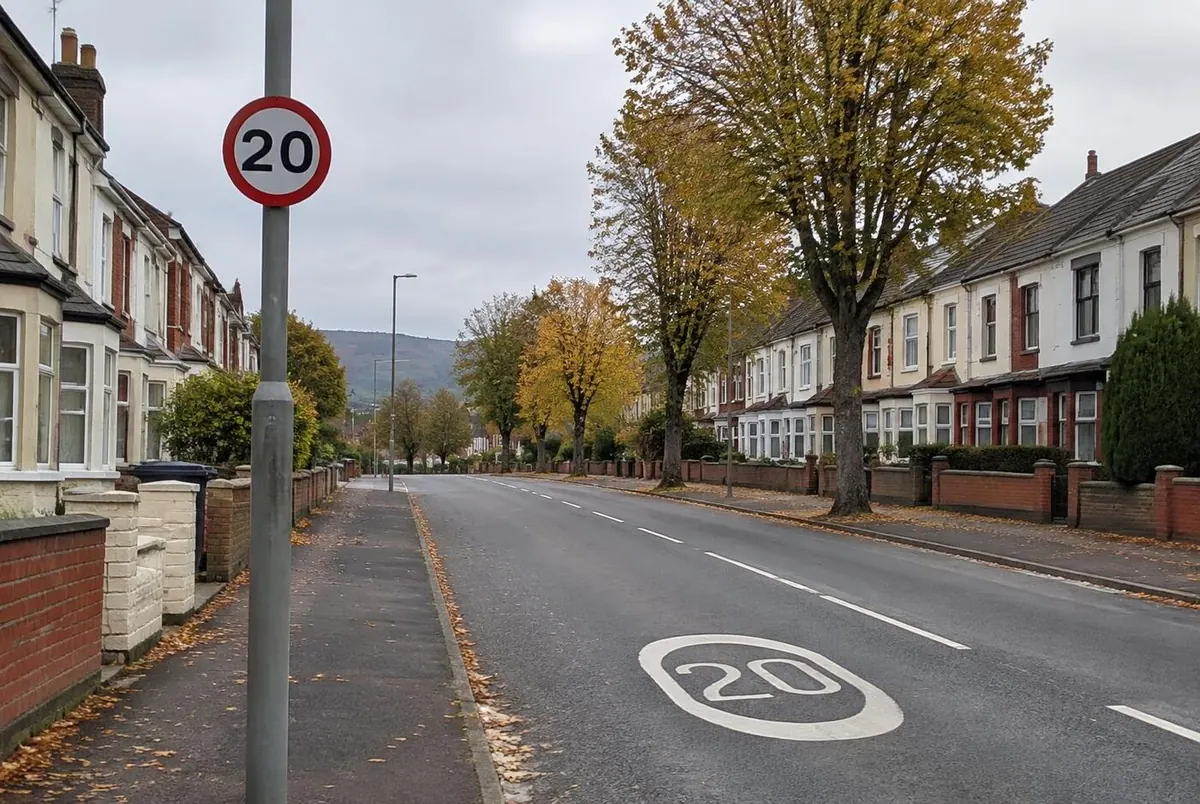
20 mph in Wales
In Wales, the default limit on roads with street lights is 20 mph. In England, Scotland and Northern Ireland it's 30 mph unless signs say otherwise.
Local limits
Councils can set their own limits, such as 20 mph near schools or 50 mph on bendy roads. They must be signed.
Average speed cameras
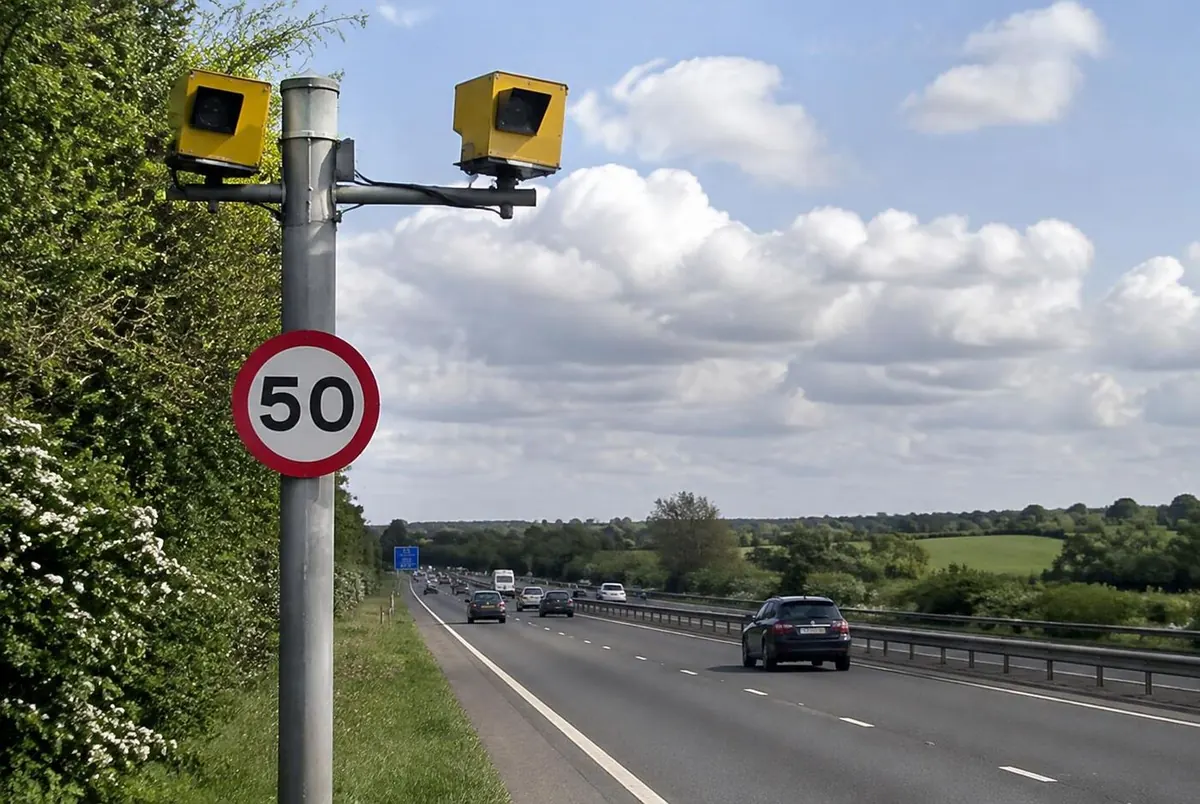
These work out your average speed between two cameras, so braking just before each camera won't help.
The limit isn't a target
GOV.UK is clear that the limit is the absolute maximum. In fog, rain or busy streets the safe speed may be much lower.
Don't ignore the notice or name the wrong driver
You must return the Section 172 notice within 28 days. Failing to say who was driving is a separate offence with 6 points, which is more than most speeding fines carry. Falsely naming someone else to avoid points is a serious criminal offence. If you weren't the driver or don't know who was, say so on the form and give as much detail as you can.
Paying a fine
Paying a speeding fine: what to check
Whether it's a £100 fixed penalty or a court fine, these checks help you pay the right amount, on time, to the right place.
- Pay a fixed penalty using the details on your notice. In England and Wales you can pay online through the official Home Office penalty notice service.
- Pay by the deadline on the notice. Missing it can mean a higher amount or court action.
- Only pay through official channels, never through a link in an unexpected text or email.
- If a court fines you and you can't pay in one go, tell the court. It can set weekly payments based on your income.
- Keep proof of payment, then check your driving licence record on GOV.UK to see the points and when they'll be removed.
This page is general information, not legal advice. For help with a court case, speak to a solicitor or Citizens Advice.

Questions
Speeding fine FAQs
How much is a speeding fine in the UK?
The minimum is a £100 fixed penalty and 3 points. If your case goes to court in England and Wales, the fine is a percentage of your weekly take-home pay, from 25% to 175% depending on your speed, up to £1,000, or £2,500 on a motorway.
How are speeding fines calculated?
The court puts your speed in band A, B or C, then fines you a percentage of your relevant weekly income: a starting point of 50%, 100% or 150%. It then adjusts for aggravating and mitigating factors and takes off up to a third for an early guilty plea.
Are speeding fines based on gross or net pay?
Net pay. The Sentencing Council uses your income after tax and National Insurance. Tax credits, housing benefit and child benefit aren't counted.
How many points do you get for speeding?
At least 3. In court, band A carries 3 points, band B 4 to 6 points or a 7 to 28 day ban, and band C 6 points or a 7 to 56 day ban.
How long do speeding points stay on your licence?
4 years from the date of the offence. They count towards the 12-point limit for the first 3 years.
Can I check if I've been caught speeding?
Not in advance. If a camera caught your car, the registered keeper should be sent a Notice of Intended Prosecution within 14 days.
Will a speed awareness course affect my car insurance?
A course isn't a conviction and adds no points. Some insurers do ask about courses, so answer their questions honestly.
What happens if I get points as a new driver?
If you reach 6 or more points within 2 years of passing your test, your licence is cancelled. You'd need a new provisional licence and to pass both tests again.
Does the calculator work for Scotland and Northern Ireland?
No. It uses the Sentencing Council guideline for England and Wales. Fixed penalties apply across the UK, but courts in Scotland and Northern Ireland follow their own approach.
Why is my estimate different from the real fine?
Magistrates can move within or outside a band for your circumstances, and they add a victim surcharge and often prosecution costs. Treat the calculator as a guide, not a quote.
Got points on your licence?
Insurers treat speeding convictions differently. Tell them about your points, then get prices from more than one insurer direct.
Browse insurers
Latest from CompareDirect
Related news
How much is a speeding fine? UK fines explained
Fines, points and bans, and how courts work them out.
Read more
Hit by an uninsured driver? What to do
The steps to take and when the MIB can help.
Read more
Record shopping around, but most drivers stay
Why comparing every year pays off.
Read more
Winter driving: five car insurance checks
Quick checks before the cold weather hits.
Read moreKeep reading
Guides and tools

Car insurance with convictions
Getting cover when you have points or a conviction.
Read more
Black box insurance
How telematics cover prices the way you drive.
Read more
No claims bonus
How it builds, protecting it and proving it.
Read more
All car insurance tools
MOT checker, fuel prices, excess and more.
Read moreSources
- Sentencing Council: speeding guideline
- Sentencing Council: approach to fines
- Sentencing Council: guilty plea reduction
- GOV.UK: speeding penalties
- GOV.UK: endorsement codes and points
- GOV.UK: how long points stay on your record
- GOV.UK: penalty points for new drivers
- GOV.UK: speed limits
This page is general information, not advice. Insurers set their own prices, discounts and terms, so always read the policy documents before you buy. CompareDirect does not sell or arrange insurance or credit. Photos are illustrative.