
- Free to useNo fees, no hidden costs
- Source-linked informationUK insurance guidance and policy documents
- Compare the protectionNo guaranteed cheapest insurer or quote
Free car insurance and motoring tools
Check your excess, work out fuel costs, check an MOT and see what paying monthly really costs.
Legal cover
3 main levels
The same third party, fire and theft, and comprehensive options as other cars.
Battery
Read the wording
Accidental damage is different from gradual deterioration and warranty faults.
Charging equipment
Check the limits
Cables and wallboxes may have different cover, limits and excesses.
Breakdown help
Not automatic
Out-of-charge recovery can need separate cover or an add-on.
Choosing your car
Electric cars worth comparing for insurance
Smaller, less powerful EVs can be a useful starting point, but there is no guaranteed cheapest model for every driver. Compare individual quotes for these city cars and hatchbacks before buying.
Fiat 500e
Compact city car
Compare the battery size, motor output and exact trim.
Mini Cooper Electric
Small hatchback
Older MINI Electric and newer Cooper Electric versions differ.
Dacia Spring
Small city car
Check the exact version and replacement value.
Peugeot e-208
Small hatchback
Compare different power outputs and equipment levels.
Vauxhall Corsa Electric
Small hatchback
Use the registration, not just the model name.
Renault 5 E-Tech
Small hatchback
Battery size and trim can change the quote.
Renault Zoe
Used hatchback
Tell the insurer if the battery is leased.
Insurance groups vary by version and are not prices. These models are a shortlist, not a cheapest-first ranking or a list of available insurance quotes.
EV total running cost and insurance estimator
Compare insurance plus charging with insurance plus petrol. The starting figures are illustrative budgets, not market averages, live tariffs or an insurance quote. Replace them with your own figures.
Your yearly comparison
Insurance and charging
£669
About £56 a month
- EV insurance
- £520
- EV charging
- £149
- Petrol insurance and fuel
- £1,655
£986 less a year with these figures
Assumes 3.5 miles per kWh and 42 mpg. Excludes charging losses, standing charges, road tax, servicing, purchase costs, finance and depreciation. This is not a complete cost of ownership calculation or a guaranteed saving.
Compare home EV tariffsPrice and protection
How to compare electric car insurance quotes
An EV needs suitable motor insurance just like a petrol or diesel car. Its motor output, repair arrangements, value and your own details all affect the price. An average premium is not a quote for you.
Use the exact vehicle
Get quotes using the registration, model year and trim. Different batteries, power outputs and equipment levels can produce different insurance costs even within one model range.
Compare matching cover
Use the same drivers, mileage, start date and type of use. Compare the total excess and annual cost as well as battery, cable and recovery protection.
Check repairs and replacement transport
Ask about technicians trained to work on high-voltage systems and any repairer restrictions. An electric or automatic courtesy car is not guaranteed unless the policy specifically includes one.
EV policy checklist
5 essential features to check on an EV insurance policy
Do not assume that comprehensive cover includes every charging or battery risk. Read the schedule and policy booklet and ask the insurer about anything unclear.
- 1
High-voltage battery cover, owned or leased
Check accidental damage, fire and theft cover for the traction battery. Ask separately about charging-related electrical damage, excesses and replacement terms. Tell the insurer if the battery is leased, as with some older Renault Zoe cars. Battery degradation and mechanical faults are not the same as insured damage.
- 2
Charging cables and home wallbox
Confirm whether cables are covered at home and away from home, including theft while charging. Check any storage conditions and replacement limits. A home wallbox may fall under motor insurance, buildings insurance or separate cover; confirm which policy applies rather than assuming.
- 3
Charging cable liability
Ask whether the policy covers injury or property damage arising from charging cables and where that cover applies. A cable protector does not automatically make pavement charging lawful or safe. Check local council requirements before placing a cable across a public footpath.
- 4
Out-of-charge breakdown recovery
Ask whether assistance is included or bought separately, where you would be taken, and what distance or callout limits apply. Help may use mobile charging or suitable recovery equipment. Follow the manufacturer's recovery instructions rather than assuming every EV must be transported in the same way.
- 5
EV repairers and courtesy car
Check the approved repair network, parts arrangements and replacement transport. A courtesy car can depend on using an approved repairer and vehicle availability. Ask whether it is guaranteed to be electric or automatic and who pays its charging or fuel costs.
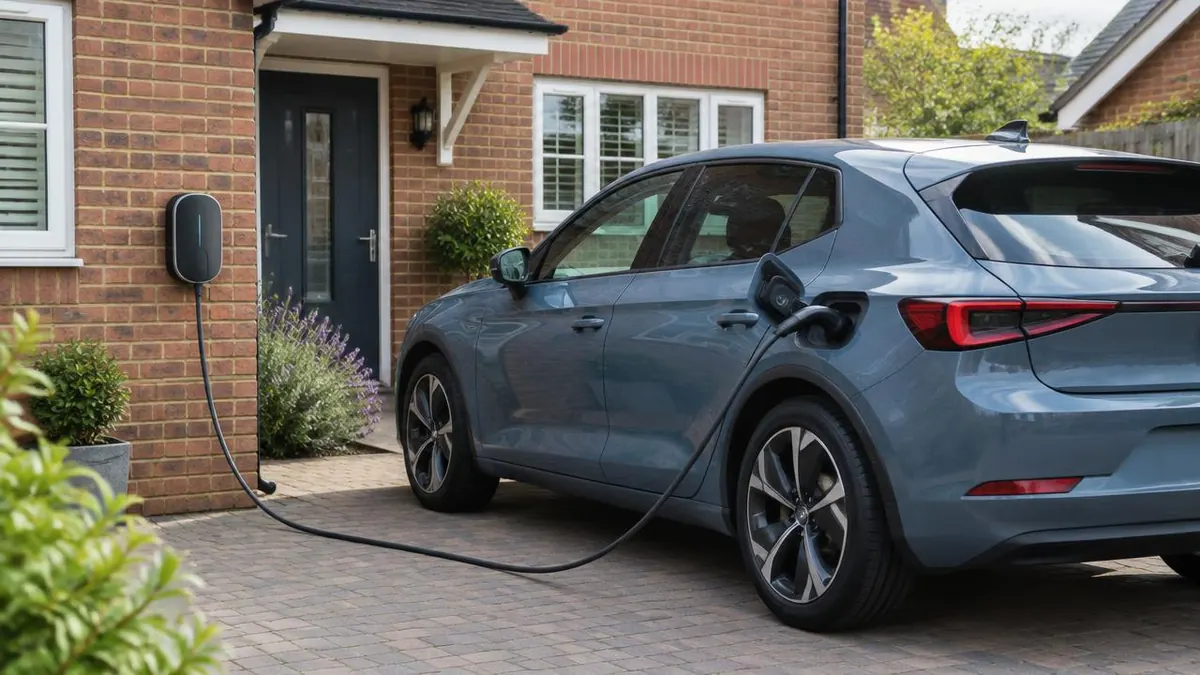
Lower your quote fairly
4 ways to look for cheaper electric car insurance
Change the genuine choices you can control, not the facts you give the insurer. None of these steps guarantees a lower premium.
1. Compare before your renewal date
Check quotes a few weeks ahead where possible and compare the same start date. Prices can change, and no particular day guarantees the cheapest price. Avoid a gap in cover.
2. Give accurate parking details
Tell the insurer where the car is normally kept overnight. Compare genuine parking options, but never claim garage or driveway parking if you usually leave it on the street.
3. Consider a genuine named driver
Adding an experienced partner or relative may change the price if they really drive the car. You must still be named as the main driver if you use it most. Fronting can invalidate cover.
4. Compare low mileage options
If you drive infrequently, compare standard cover with limited mileage or pay per mile policies where eligible. Include all expected journeys and check the fixed charge, mileage cost and minimum charges.
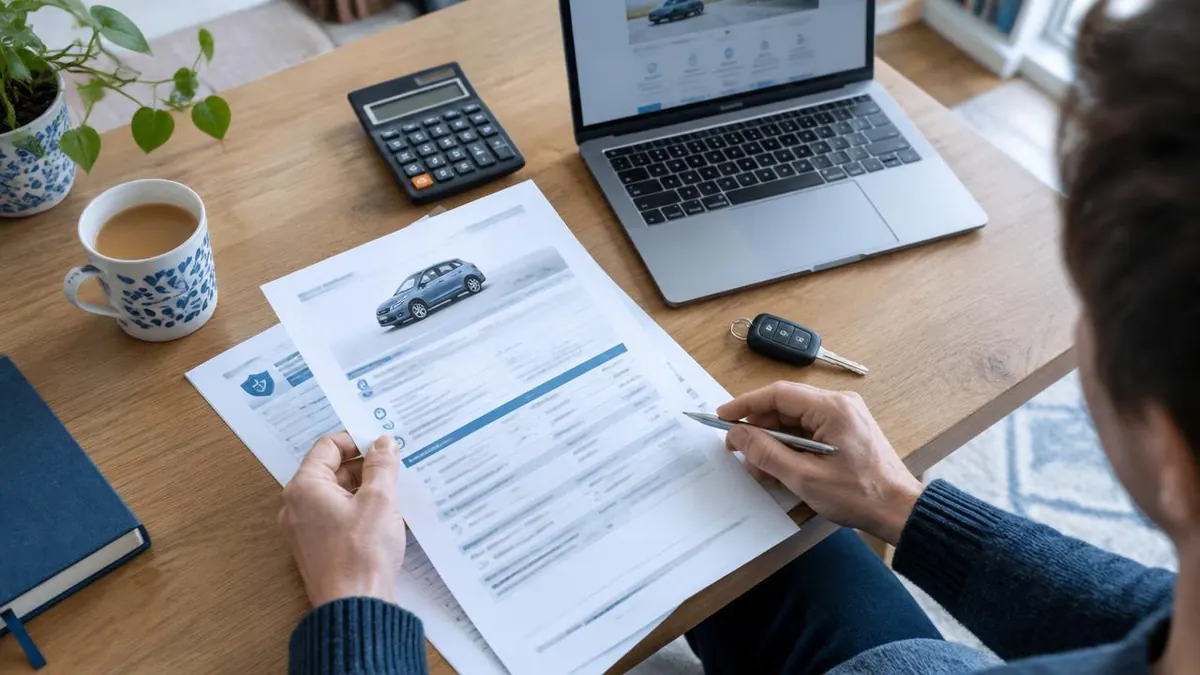
Cheapest is not always best
Compare the cost behind the quote
A small difference in premium can be outweighed by an excess, a missing benefit or an unsuitable restriction.
Total excess
Add compulsory and voluntary excesses and check whether battery, glass or inexperienced driver claims have additional contributions.
Fees and extras
Check cancellation and amendment charges, breakdown assistance and legal expenses. Remove duplicate extras only after comparing the protection.
Vehicle value
Check how a total loss settlement is calculated. Do not assume a standard policy replaces a used EV with a new car or pays off all finance.
Use and mileage
Check commuting, business journeys and any mileage restrictions. Deliveries and carrying passengers for payment can require different cover.
Know your cover
Types of car insurance
Electric vehicles use the same three main legal cover levels. Comprehensive is not always more expensive than lower cover levels, so compare actual quotes.
Third party only
- Liability for injuries to others
- Damage you cause to other people's property
- Not covered: Damage to or theft of your own EV
The minimum road-use cover, not automatically the cheapest quote.
Third party, fire and theft
- Third party liability
- Loss through fire or theft, subject to terms
- Not covered: Accidental damage to your own EV
Check the battery and cable definitions rather than assuming full protection.
Comprehensive
- Third party liability, fire and theft
- Accidental damage to your own car, subject to terms
- Not covered: Your excess and policy exclusions
Battery, equipment, recovery and courtesy car terms still need checking.
Battery warranty is not car insurance
Warranty and insurance protect against different events. Check both documents, especially when buying a used EV.
Accidental damage
A comprehensive policy may cover insured damage to the battery as part of the car, subject to its wording and excess.
Gradual deterioration
Loss of battery capacity over time is generally not insured accidental damage. A warranty may have its own capacity threshold and exclusions.
Leased batteries
Tell the insurer about the lease and ask how damage or a total loss would be settled with the battery owner.
Used cars
Check the remaining warranty, service history and whether warranty rights transfer. Do not assume every manufacturer uses the same time or mileage limits.
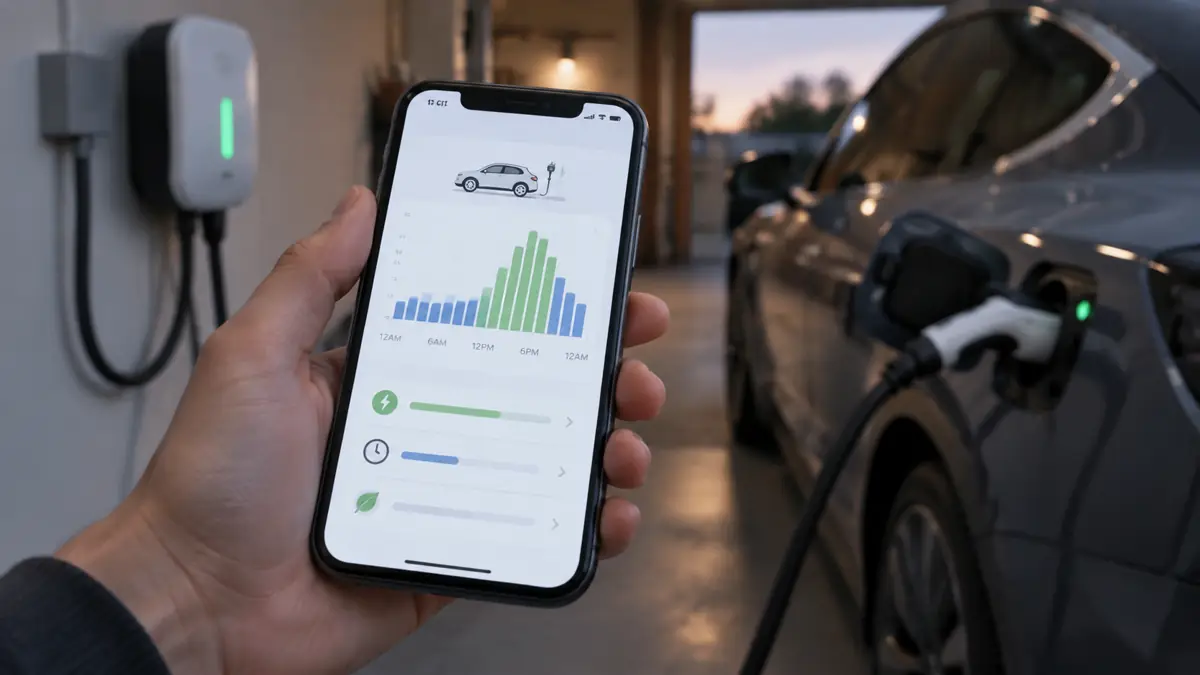
Do not assume a trailing cable is covered or permitted
A charging cable across a pavement can create a risk to pedestrians. Insurance is not permission to obstruct a public footpath. Check council guidance, safe charging arrangements and the insurer's liability wording before charging this way.
Paying in instalments
Paying monthly: what to check
If you spread the premium over monthly payments, compare the full cost including interest, the deposit and fees. A smaller instalment is not necessarily a cheaper policy.
- Annual premium versus the deposit plus all instalments and fees.
- The APR, credit provider and consequences of a missed payment.
- Whether the excess remains affordable as well as the monthly payment.
- Cancellation charges and any remaining premium or finance balance.
If you can afford it, paying annually is usually cheapest. Our monthly vs annual calculator shows the difference. CompareDirect doesn't lend money or arrange finance.
Questions
Electric car insurance: your questions
Is electric car insurance more expensive than petrol car insurance?
It can be, but not for every car or driver. Vehicle value, power, repair costs and your circumstances affect quotes. A general market average does not establish which fuel type is cheaper for two specific cars. Compare matching quotes for the vehicles you are considering.
Does standard comprehensive car insurance cover my EV battery?
Check the exact policy. Comprehensive cover may protect an owned traction battery against insured accidental damage, fire and theft. Leased batteries, electrical faults and charging damage need particular attention. Gradual deterioration is different from insured damage; any battery warranty has separate limits and conditions.
Am I covered if someone trips over my EV charging cable?
Some policies provide charging cable liability protection, but cover, locations and exclusions vary. Ask the insurer and check local council requirements. Do not assume a cable ramp makes charging across a public footpath permitted or automatically insured.
What happens if my EV runs out of battery on the road?
Out-of-charge assistance depends on the breakdown provider and cover level. It may involve mobile charging or suitable recovery equipment. Check distance and callout limits, destination, charges and any effect on your no claims discount. Follow the vehicle manufacturer's recovery instructions.
Which electric car is cheapest to insure?
There is no universal cheapest model. Small, less powerful EVs can be a starting point, but get quotes for the exact registration and trim before buying. Insurance groups are a guide to risk, not a premium or a guarantee.
Ready to compare EV cover?
Have your registration, driver details and realistic mileage ready. Compare the annual price, excesses and EV-specific protection before buying.
Compare car insuranceLatest from CompareDirect
Related news
Shopping around for car insurance
Why it is worth checking your options at renewal.
Read moreMonthly insurance: compare the total
Understand the cost behind the instalment.
Read moreKeep reading
Guides and tools
Electric car insurance: batteries and charging
Read the separate guide to battery, equipment and recovery terms.
Read moreCompare UK EV tariffs
Compare off-peak home charging rates and eligibility.
Read moreUnderstand your excess
Work out what you would contribute after a claim.
Read moreMonthly versus annual insurance
Compare the full cost of spreading the premium.
Read moreSources
- GOV.UK: vehicle insurance
- MoneyHelper: choosing a good car insurance policy
- Thatcham Research: vehicle risk data
This page is general information, not advice. Insurers set their own prices, discounts and terms, so always read the policy documents before you buy. CompareDirect does not sell or arrange insurance or credit. Photos are illustrative.