
CompareDirect ·
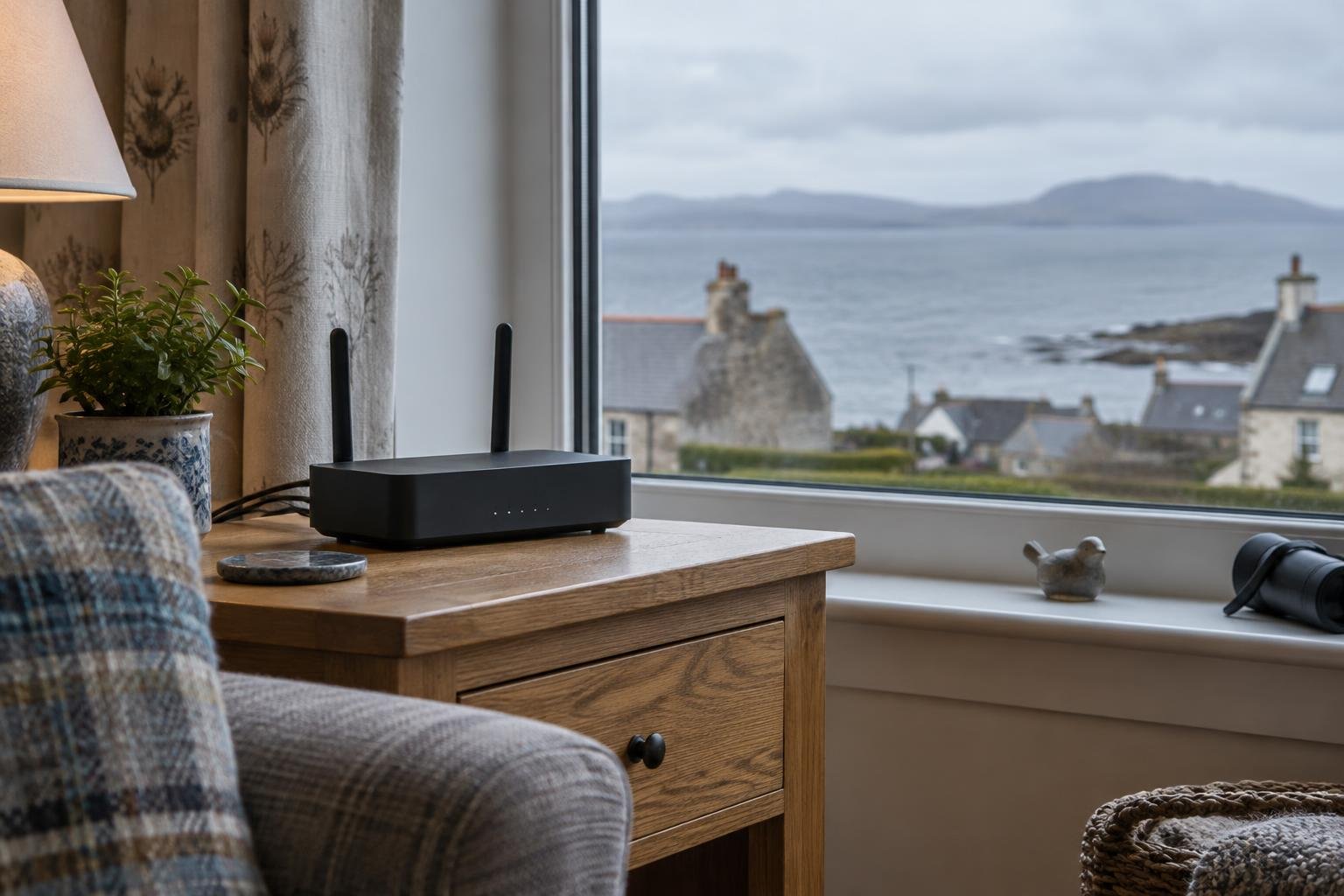
VodafoneThree plans to study a subsea cable linking Scotland, Shetland and Norway in summer 2027. The work will assess a possible connection, rather than deliver an immediate household broadband upgrade.
VodafoneThree plans to begin a feasibility study in summer 2027 into a high-speed subsea cable connecting Scotland, Shetland and Norway, according to an updated feature published by Vodafone UK. The proposed link is relevant to island communities, but remains at the assessment stage.
The company says the work will build on a completed study into a cable between the Shetland Islands and mainland UK. For households, the important distinction is that studying a route is not the same as confirming construction, a launch date or a change to the broadband service available at home.
What the company is exploring
According to Vodafone, work began in 2025 to assess the feasibility of a subsea cable running from Scotland to Shetland. The company describes that proposed connection as infrastructure for services used by local communities and businesses on the islands, and says the study has now finished.
The next study will examine a route connecting Scotland, Shetland and Norway. Vodafone says the proposed route could support defence and critical national infrastructure. Its feature does not provide a construction timetable or say when households might be able to use services supported by the connection.
Why underwater connections matter
Vodafone’s feature explains that subsea cables carry international internet traffic as well as phone calls. It says satellites account for less than 5% of the world’s transcontinental voice and data traffic, with underwater fibre optic cables carrying the remainder.
As an example, the company points to its Apollo North and Apollo South cables, which connect the UK and France respectively with the US. Vodafone says these carry both public internet traffic and business data over dedicated-bandwidth links. That helps explain why a cable far from someone’s home can still be relevant to the services they use.
No household bill or speed promise
The proposed Scotland, Shetland and Norway route is an infrastructure project under consideration, not a household broadband offer. Vodafone’s account does not announce new consumer prices, address-level availability or a promised improvement to an individual customer’s connection.
Readers should therefore avoid treating the planned study as evidence that their next broadband bill will fall or that a faster package is about to become available. Any eventual household benefit would need to be assessed against specific service announcements, rather than the description of the proposed cable alone.
What households can do now
If you are considering changing broadband provider, base the decision on services currently offered at your address. Check the stated speeds, total price and contract terms, and ask the provider to clarify anything uncertain before agreeing to switch.
For Shetland households interested in the cable proposal, useful details to watch for include whether construction is approved, when a connection could enter service and which consumer services it would support. Until those details emerge, the planned study is something to monitor rather than a reason on its own to change an existing broadband contract.
Compare and check
Sources
Original CompareDirect wording, checked against the official source below on the day of publication.
Source: Vodafone UK
Compare broadband deals in the UK.
Written by CompareDirect. Prices and terms change, so check the source and the provider before you buy.
More stories on this subject
Found this helpful? Share it with family and friends.
Know someone who might find this useful? Share it with them.