News feed · CompareDirect · · Loading views…
UK shop price inflation has reached its highest level in two and a half years, while food inflation has also risen. Here is what the latest figures mean for your grocery budget and how to protect household essentials.
Food prices are rising again, making the weekly shop harder to balance with rent, energy and other bills. Small changes can help, but there is no single trick that removes the pressure—and households already cutting back should not be blamed for higher costs.
What do the latest UK inflation figures show?
The British Retail Consortium (BRC) and NIQ report that shop prices were 2.1% higher in October 2026 than a year earlier, up from September’s 1.4%. The BRC says this is the highest shop price inflation in two and a half years.
Food inflation rose from 2.5% to 2.9%. Fresh food inflation stayed at 2.6%, while shelf-stable food inflation increased from 2.2% to 3.2%. The two-and-a-half-year comparison applies to overall shop price inflation—not necessarily food inflation.
These are annual average changes, not the increase in every item or your bill since last month. This retail monitor is also different from the official Consumer Prices Index, which covers a wider range of goods and services.
Why are prices rising?
The BRC points to retailers’ energy, transport, employment, business rates and packaging costs. NIQ also highlights global supply-chain pressure. These are the organisations’ explanations; different products and shops face different pressures.
How are people managing higher living costs?
NIQ describes consumers becoming more cautious as energy and fuel costs rise. That does not establish how every family shops. Practical options include planning meals around food already at home, comparing own-brand alternatives and delaying non-essential purchases—without sacrificing nutrition or medical needs.
Five ways to stretch your household budget
1. Check cupboards before shopping. Plan meals using what needs eating first and make a list to reduce duplicate purchases.
2. Compare unit prices. Look at the price per kilogram, litre or 100g on comparable products. A larger pack or promotional label does not automatically mean better value, especially if some will be wasted.
3. Buy what you can use. Frozen and tinned alternatives may suit your meals and budget. Check ingredients and dietary requirements; bulk buying only helps when the total cost is affordable and you have storage.
4. Reduce avoidable waste safely. Plan portions and freeze suitable leftovers promptly. Never eat food after its use-by date; follow storage and reheating instructions.
5. Review recurring bills. Check broadband, mobile and subscription costs alongside groceries. Before switching, compare the full cost, contract length, coverage and exit fees. A cheaper headline price is not a guaranteed saving.
Why saving matters—but essentials come first
A small buffer, if affordable, can help with an unexpected bill. Do not miss rent, council tax, energy payments or meals to build savings. If your income no longer covers essentials, contact Citizens Advice or your council for support rather than relying on costly borrowing.
Start with one manageable change
Check your next shopping list and one regular bill. CompareDirect’s Save Money section includes supermarket shopping advice and household bill guides. No fixed saving is promised: the result depends on your needs, current spending and available choices.
Practical household savings guides
- Supermarket shopping tips and unit-price calculator
- Review your household bills
- More ways to save money
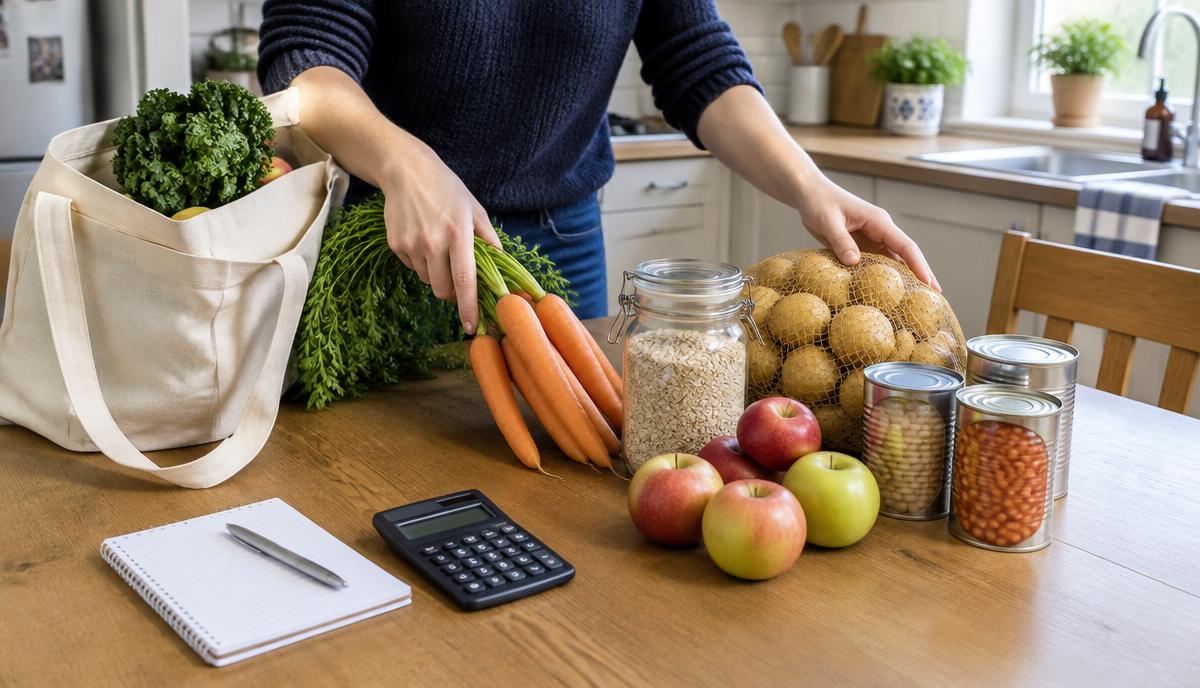
Photo: AI-generated illustration for CompareDirect; not a photograph of surveyed shoppers.
Source: British Retail Consortium — October 2026 Shop Price Monitor
Compare energy deals in the UK.
Written by CompareDirect. Prices and terms change, so check the source and the provider before you buy.