News feed · CompareDirect ·
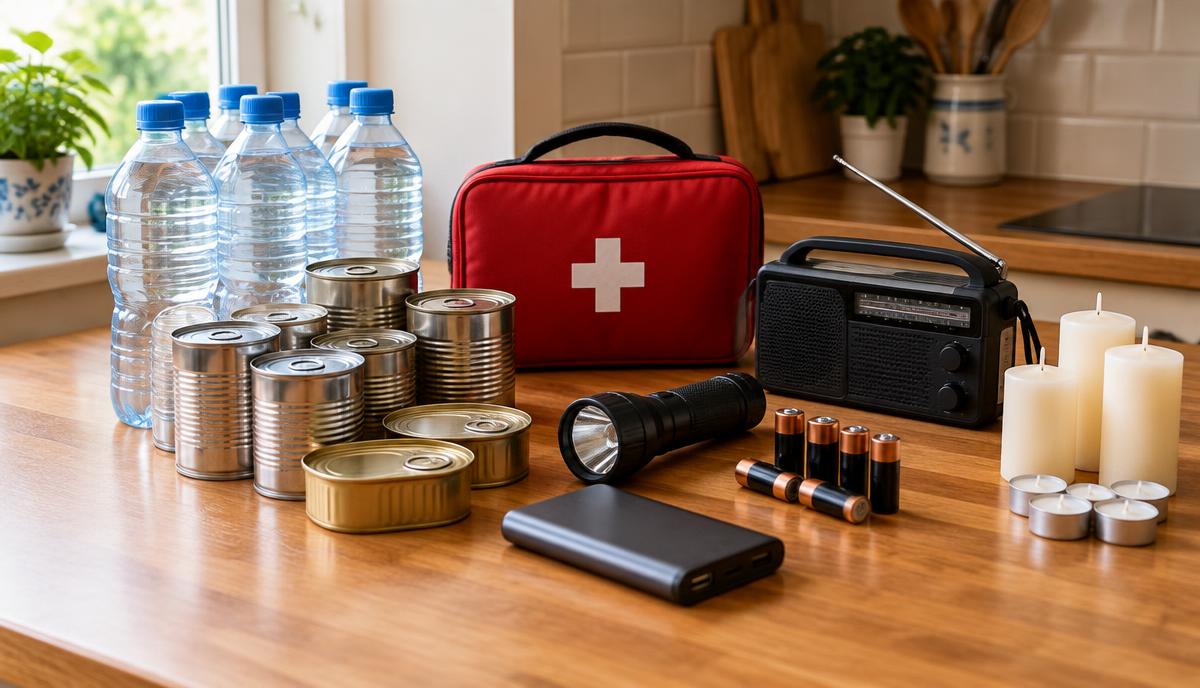
The UK government's new Be Ready campaign asks households to be able to manage for three days without power, water or internet. Here is what it means, a simple kit list and the free steps to take today.
The government wants every household that can do so to be able to cope on its own for three days if power, water, phone signal or the internet is cut off. On 22 October 2026 it published updated advice at GOV.UK/BeReady, the first step in a three-year "Be Ready" campaign.
What has the government actually said?
The message is simple: keep a small supply of essentials at home and take a few free steps now, so you are not caught out by a storm, flood or power cut. The focus is everyday emergencies, such as the storms last winter and the wildfires this summer, which disrupted services people rely on.
The three-day advice matches what France, Ireland and the Netherlands already tell their residents. More than 500 charities, businesses and other organisations have signed up to share the campaign, and radio and social media adverts will follow over the coming months, aimed especially at families with young children and older people.
Why does it matter for your household?
If emergency services know most homes can manage for a few days, they can focus on the people who need help most. Being ready also saves you money and stress: you avoid emergency shopping trips, wasted freezer food and expensive last-minute buys.
A simple three-day kit
You do not need to buy it all at once. Add an item or two to your normal shop each week:
1. Bottled water for everyone in your home, including pets.
2. Tinned and dried food that needs little or no cooking, plus a manual tin opener.
3. A torch and spare batteries, ideally rather than candles.
4. A battery or wind-up radio to hear local updates.
5. A charged power bank for your mobile phone.
6. A first aid kit and a supply of any medicines you rely on.
7. Some cash, in case card machines are down.
8. Copies of important documents and a written list of key phone numbers.
Use food and water before it goes out of date, then replace it. Rotating your stock this way means nothing is wasted.
Free steps you can take today
Join the Priority Services Register. It is free and run by your energy supplier, network operator and water company. If you are older, disabled, have a long-term illness or young children, it means you can get extra help and early warning during a power or water cut.
Save 105 in your phone. It is the free number to report a power cut in England, Scotland and Wales, whoever your supplier is.
Check on neighbours. Knowing who nearby might need help is one of the most useful things you can do.
Keep your phone and broadband plan in mind. A power cut usually stops home broadband and landline phones that run over the internet, so a charged mobile phone matters more than ever.
The bottom line
Be Ready is practical advice, not a warning of a specific threat. Most of it costs little or nothing, and building your kit slowly keeps it affordable. Read the full checklist on GOV.UK, and while you are thinking about your home, it is worth checking you are on a fair energy and broadband deal too.
Source: GOV.UK — Households encouraged to take small, simple steps to stay prepared in an emergency
Compare energy deals in the UK.
Written by CompareDirect. Prices and terms change, so check the source and the provider before you buy.