News feed · CompareDirect · · Loading views…
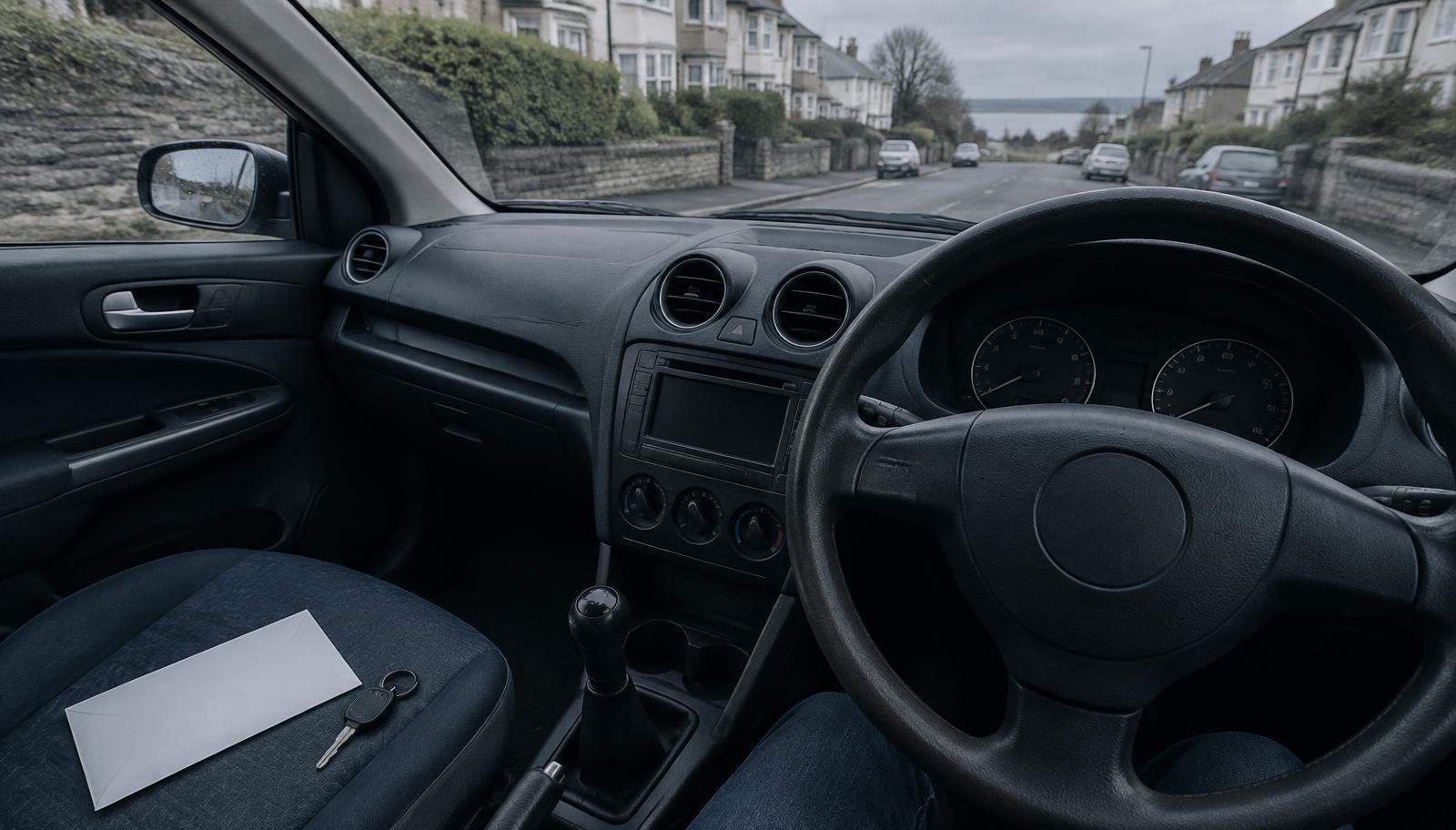
The Budget contains no motor insurance measures. The mileage rate rise and Fuel Duty extension are often misread as premium news — here is what they actually do.
The Autumn Budget delivered on 28 October 2026 made no announcement about car or motor insurance. There is no new insurance tax, no change to how premiums are taxed, and no measure that applies to a car insurance policy specifically. Premiums remain set by insurers, so nothing in the Budget tells you whether to renew, switch or wait.
Two measures do touch the cost of running a car. Neither changes your premium, and it is worth knowing exactly what they do.
The mileage rates are a tax rule, not a fuel or insurance saving
For people who rely on their car for work — the Chancellor mentioned care workers and engineers — the higher approved mileage rate rises from 25p to 35p per mile, and the increase to the standard rate introduced earlier this year is made permanent.
These are the rates you can claim tax-free when you are reimbursed for business travel in your own vehicle. They are not a change to what you pay for fuel, and they do not affect your premium. If you are salaried and driven to sites, or you claim mileage from an employer, the change may reduce the tax you pay on those reimbursements. If you only drive for personal use, it changes nothing for you.
Fuel Duty is being held, not cut further
The 5p cut to Fuel Duty and the reduced rate for red diesel are extended through the winter and spring to July, with the Chancellor pointing to continued high fuel prices following the conflict in the Middle East. That keeps pump prices from rising further through tax; it does not lower the duty to a new level, and it says nothing about insurance.
Why your premium is not a Budget question
Car insurance prices are driven by claims costs — parts, labour, the cost of repairing or replacing vehicles, and the frequency and severity of claims — alongside each insurer's view of risk. None of those are set in the Budget, and none has a change attached to a Budget date.
That means the thing that most reliably moves what you pay is timing and comparison, not policy. The usual guidance still holds: compare in the weeks before you renew rather than on the renewal date itself, and check the excess, the cover type and any add-ons you no longer need. Our car insurance section explains when to get quotes and what actually affects a premium.
What to do instead
Check your renewal date and work out the cost of a policy at that point, rather than accepting the renewal quote without comparing. Look at the excess and the total, not the monthly figure alone, and make sure any changes to how you use the car — commuting, business use, additional drivers — are declared accurately, because getting those wrong causes claim problems later.
If you are on a tight budget, the honest position is this: the Budget will not make your car insurance cheaper, but comparing across insurers still can. For the bills the Budget did change, see our main Budget 2026 article and our energy comparison.
Source: HM Treasury — Budget 2026 speech as delivered by Chancellor John Healey
Compare car insurance deals in the UK.
Written by CompareDirect. Prices and terms change, so check the source and the provider before you buy.